Drones DJI series Mavic Mini (light)
prices on 7 models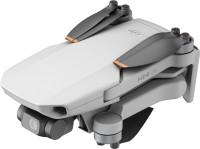 |
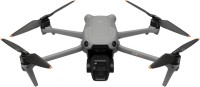
Flight:31 min, up to 15.7 km, 58 km/h Filming a video:1920x1080 px 60 fps, 2720x1530 px 60 fps, 3840x2160 px 30 fps Camera:built-in, gimbal for stabilization Dimensions:289x245x56 mm, foldable Weight:246 g basicFly More Combo | Price from $229.00 up to $485.00 Compare prices and buy DJI Mini 4K 2 stores 12 offers Loading online stores list. |
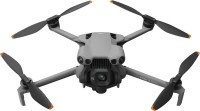 |
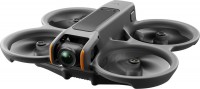
Flight:36 min, up to 21 km, 65 km/h Filming a video:1920x1080 px 60 fps, 3840x2160 px 60 fps Camera:built-in, gimbal for stabilization Dimensions:380x304x91 mm, foldable Weight:249 g | Price from $989.00 up to $1,449.00 Compare prices and buy DJI Mini 5 Pro Fly More Combo (RC2) 2 stores 6 offers Loading online stores list. |
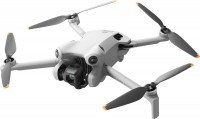 |
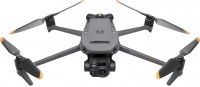
Flight:34 min, up to 18 km, 58 km/h Filming a video:1920x1080 px 60 fps, 3840x2160 px 60 fps Camera:built-in, gimbal for stabilization Dimensions:373x298x101 mm, foldable Weight:249 g | Price from $1,389.00 up to $1,439.00 Compare prices and buy DJI Mini 4 Pro Fly More Combo (RC2) 1 store 2 offers Loading online stores list. |
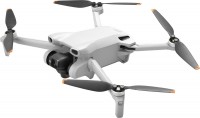 |
Flight:38 min, up to 18 km, 58 km/h Filming a video:1920x1080 px 60 fps, 2720x1530 px 60 fps, 3840x2160 px 30 fps Camera:built-in, gimbal for stabilization Dimensions:148x90x62 mm, foldable Weight:248 g | Colour: Price from $664.00 up to $988.00 Compare prices and buy DJI Mini 3 RC Fly More Combo 3 stores 13 offers Loading online stores list. |
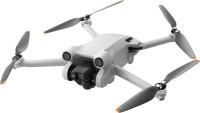 |
Flight:34 min, up to 18 km, 57 km/h Filming a video:1920x1080 pxs 120 fps, 2720x1530 px 60 fps, 3840x2160 px 60 fps Camera:built-in, gimbal for stabilization Dimensions:245x171x62 mm, foldable Weight:249 g | Price from $929.00 up to $1,049.00 Compare prices and buy DJI Mini 3 Pro 1 store 2 offers Loading online stores list. |
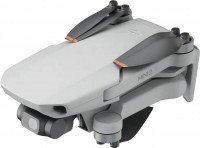 |
Flight:31 min, up to 15.7 km, 58 km/h Filming a video:1920x1080 px 60 fps, 2720x1530 px 30 fps Camera:built-in, gimbal for stabilization Dimensions:289x245x56 mm, foldable Weight:246 g basicFly More Combo | Price from $339.00 up to $589.00 Compare prices and buy DJI Mini 2 SE 2 stores 6 offers Loading online stores list. |
 |
Flight:31 min, up to 15.7 km, 58 km/h Filming a video:1920x1080 px 60 fps, 2720x1530 px 30 fps, 3840x2160 px 30 fps Camera:built-in, gimbal for stabilization Dimensions:289x245x56 mm, foldable Weight:249 g | Price from $529.00 Compare prices and buy DJI Mini 2 Fly More Combo 1 store 1 offer Loading online stores list. |
DJI Mavic Mini
The Mavic Mini series has become DJI's real breakthrough in the ultra-light drone segment, occupying the niche between toy quadcopters and professional models. Launched in October 2019 with the Mavic Mini model as a replacement for the DJI Spark, the line was initially created with a clear goal: to bypass drone registration requirements in most countries worldwide due to its weight of less than 250 grams. This feature made the Mini series an ideal choice for beginner pilots, travelers, and enthusiasts who want quality aerial shooting without bureaucratic hassles.
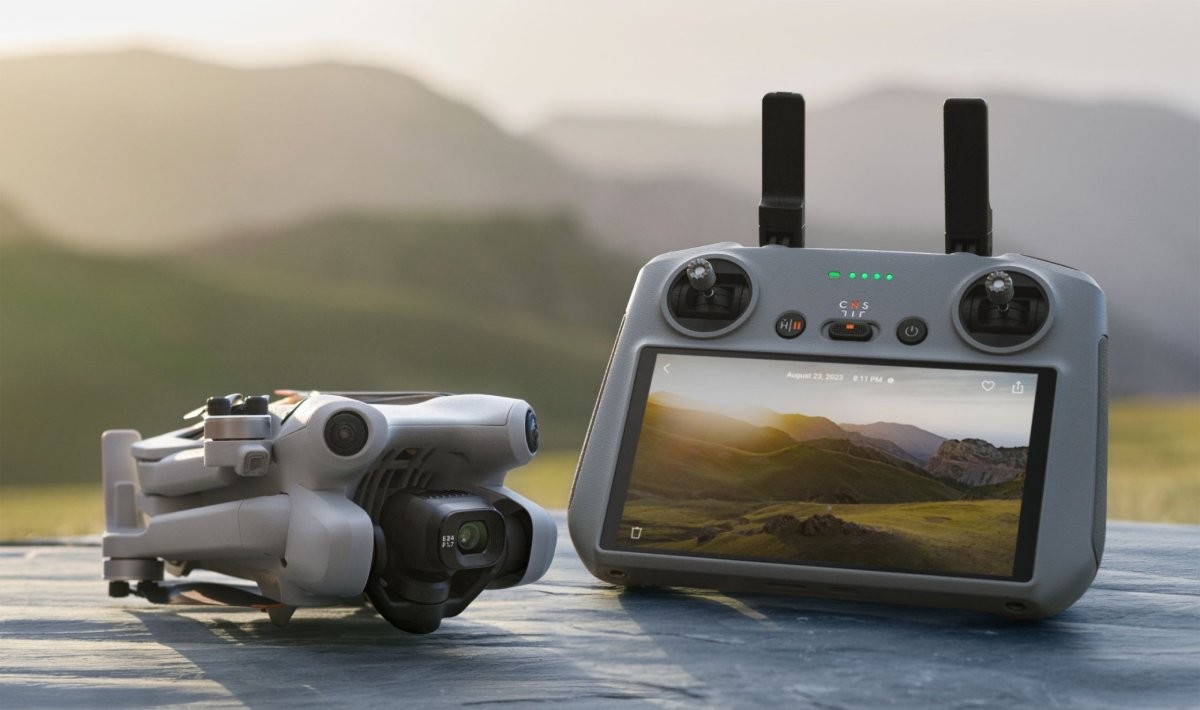 |
The philosophy behind the Mini series revolves around a compromise between compactness, affordability, and functionality. Unlike the flagship Mavic models, the focus here is not on maximum features, but on ease of use and a low entry threshold. Typically, Mavic Mini quadcopters are equipped with a 3-axis gimbal for stabilization, support shooting in 4K+60 FPS mode (except for early versions), provide about 30 minutes of flight, and depending on the generation, maintain connection at a distance of 10 to 20 km. Moreover, the foldable design makes it easy to take the drone on trips, and the intuitive control via the DJI Fly app simplifies working with the drone for beginners.
In technical development, the series has evolved from a basic model to advanced solutions. In the first models, the recording resolution was limited, but already in the second generation, 4K video support appeared. The third generation brought an obstacle avoidance system and the ability to shoot in 4K at 60 FPS. The Mavic Mini third series models received enhanced safety features and intelligent flight control. Released in 2023–2024, the Mavic Mini 4 subseries copters added an improved sensor system for more precise obstacle avoidance, support for HDR video, and increased flight time.