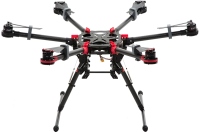
Drones DJI series Mavic (foldable)
prices on 6 models |
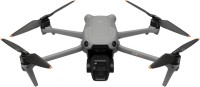
Flight:51 min, up to 41 km, 90 km/h Filming a video:1920x1080 px 60 fps, 3840x2160 px 60 fps, 6016x3384 pix 60 fps Camera:built-in, gimbal for stabilization Dimensions:390.5x328.7x135.2 mm, foldable Weight:1063 g | Price from $1,125.00 up to $2,449.00 Compare prices and buy DJI Mavic 4 Pro 1 store 4 offers Loading online stores list. |
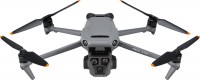 |
Flight:43 min, up to 28 km, 76 km/h Filming a video:1920x1080 px 200 fps, 4096x2160 px 120 fps, Camera:built-in, gimbal for stabilization Dimensions:347.5x290.8x107.7 mm, foldable Weight:958 g | Price from $3,159.99 Compare prices and buy DJI Mavic 3 Pro Fly More Combo (DJI RC Pro) 1 store 1 offer Loading online stores list. |
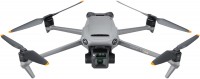 |
Flight:46 min, up to 30 km, 75 km/h Filming a video:1920x1080 px 200 fps, 4096x2160 px 120 fps, Camera:built-in, gimbal for stabilization Dimensions:347.5x283x107.7 mm, foldable Weight:895 g | Price from $1,899.95 Compare prices and buy DJI Mavic 3 Cine Premium Combo 1 store 1 offer Loading online stores list. |
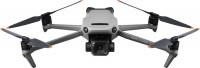 |
Flight:46 min, up to 30 km, 75 km/h Filming a video:1920x1080 px 200 fps, 4096x2160 px 120 fps, Camera:built-in, gimbal for stabilization Dimensions:347.5x283x107.7 mm, foldable Weight:895 g with DJI RC remote controlwithout remote control | Price from $1,749.00 Compare prices and buy DJI Mavic 3 Classic RC 1 store 1 offer Loading online stores list. |
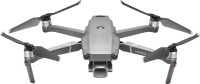 |
Flight:31 min, up to 18 km, 72 km/h Filming a video:1280x720 px, 1920x1080 pxs 120 fps, 2688x1512 px 60 fps, 3840x2160 px 30 fps Camera:removable, gimbal for stabilization Dimensions:322x242x84 mm, foldable Weight:907 g | Price from $1,399.00 Compare prices and buy DJI Mavic 2 Pro 1 store 1 offer Loading online stores list. |
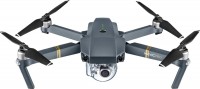 |
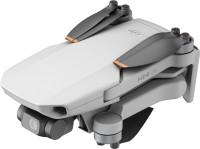
Flight:27 min, 65 km/h Filming a video:1280x720 px 120 fps, 1920x1080 px 96 fps, 2720x1530 px 30 fps, 3840x2160 px 30 fps Camera:removable, gimbal for stabilization Dimensions:335 mm, foldable Weight:743 g |
DJI Mavic
The Mavic series has long been a flagship among DJI drones and has significantly shaped the concept of what a compact yet professional drone should be. With a focus on a foldable design, powerful optics, and a stable navigation system, these models have gained popularity among videographers, travel bloggers, and advanced enthusiasts. Several generations of devices have been released within the series: from the early Mavic Pro and Mavic 2 to the more advanced Mavic 3 and 4 with improved cameras and extended flight times.
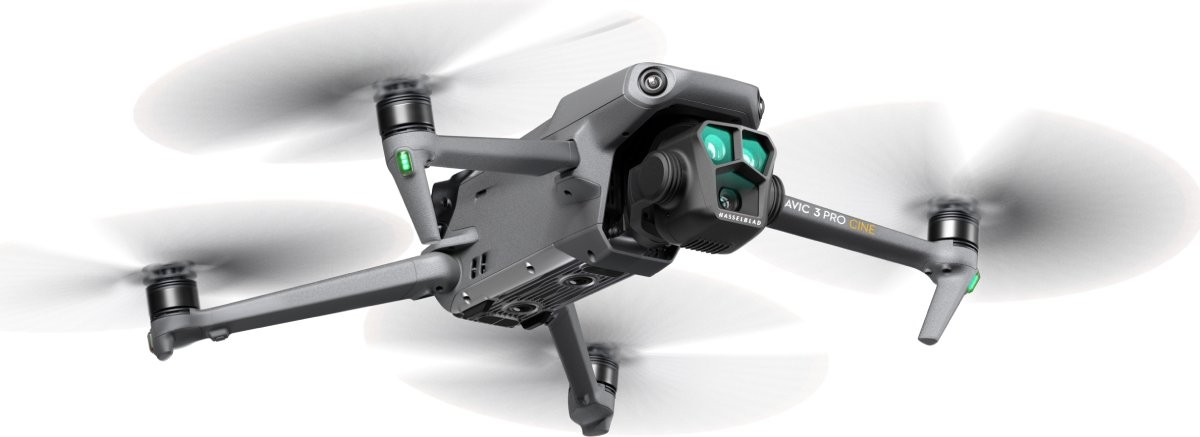 |
The main feature of the Mavic is its emphasis on maximum versatility without compromising on quality. The models in the series are equipped with powerful cameras with sensors ranging from 1/2.3" to 4/3" (depending on the model), Hasselblad optics (starting from the Mavic 2 Pro and continuing in the Mavic 3 and 4) and the ability to record video in resolutions from 5K to 6K (in the Mavic 4 Pro). Typically, the series supports a range of intelligent shooting modes, including automatic tracking, obstacle avoidance, hyperlapse, and zooming without loss of quality.
In technical terms, the series consistently progresses from generation to generation. Built-in sensors with 360-degree coverage provide reliable obstacle recognition even in challenging conditions, while visual positioning and GPS/GLONASS systems ensure accurate navigation. Flight times have also increased: from 30-34 minutes for second-generation models to 45-50 minutes in the third and fourth generations. More advanced modifications with the Pro suffix often utilize solutions such as advanced DJI RC Pro controllers with bright screens, support for fast and high-capacity SSDs, the ability to work with H.265 codecs, and other advanced features.