Apple — the new Nokia?

We independently test the products and technologies that we recommend.
1. Consistently Boring Presentations
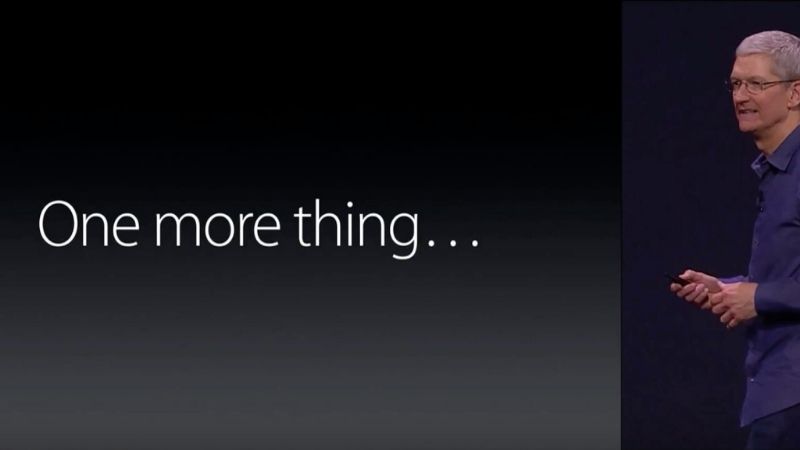
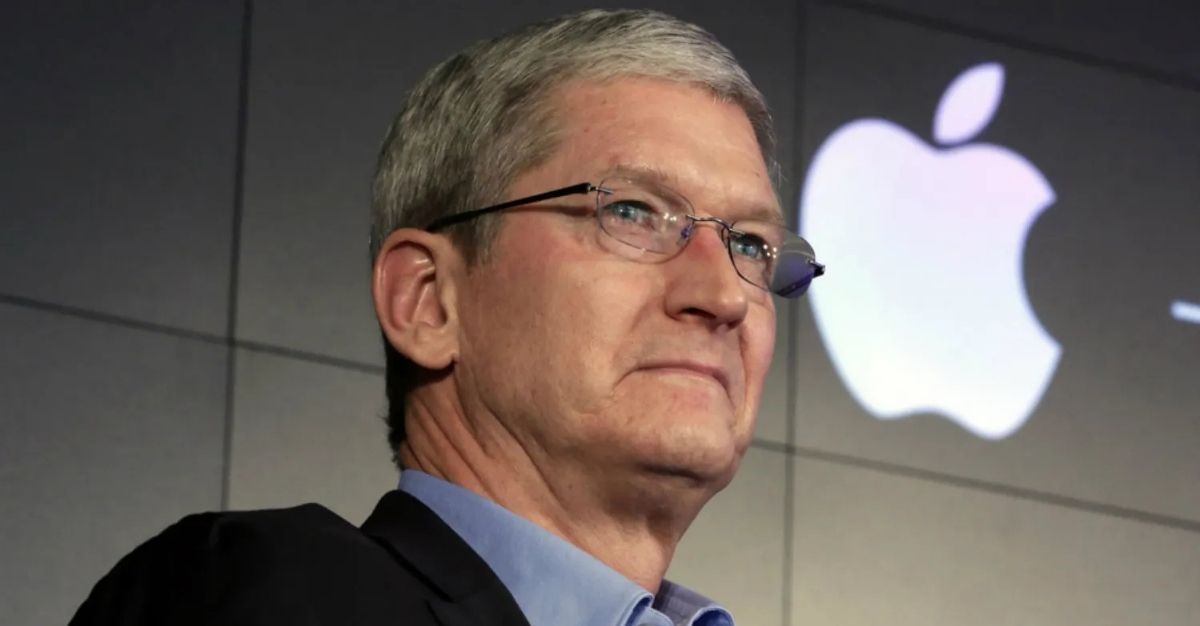
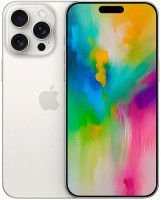
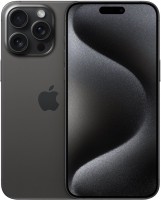
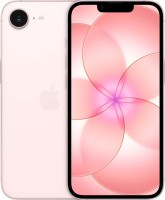
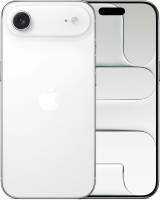
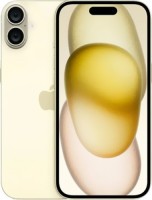
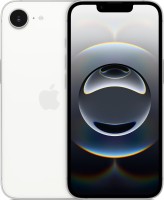
Once, Apple presentations were major events in the tech world. "One more thing" was uttered like a spell, and the audience erupted in applause—because behind these "things" was truly something unique. And while Apple often didn't invent something fundamentally new, its comprehensive approach repeatedly changed the landscape and set new trends. Compare that to today's presentations, which resemble something between corporate presentations and children's shows. Look, we have 2 new iPhone colors! Have you seen the calculator? By the way, did we mention the processor is 20% faster and the body is 1 mm thinner? As a result, no one camps out in line for the new smartphone anymore and doesn't storm stores on the first day of sales, while each presentation generates a flurry of new memes.






2. iPhone Lagging Behind Competitors
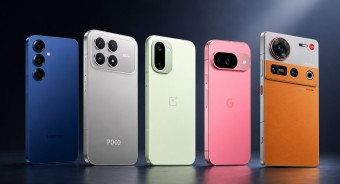
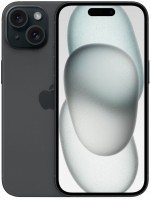
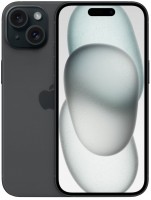
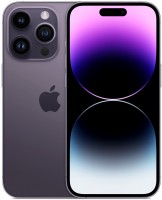
The iPhone was long considered a symbol of progress: the touch screen, convenient multi-touch, a full-fledged app ecosystem, and a high-quality mobile camera became mainstream standards thanks to Apple, and later competitors adopted them. Many technologies existed before with other manufacturers, but it was the iPhone that made them convenient and popular. For instance, Xiaomi initially thrived by copying every little detail from Apple, starting with the interface. However, today Android smartphones have not only caught up with the iPhone but have moved far ahead. They have foldable displays, periscope cameras, ultra-fast charging, and genuinely working AI-based tools.
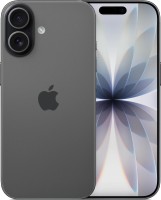
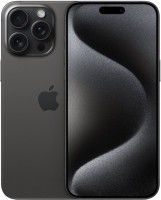
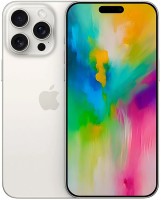
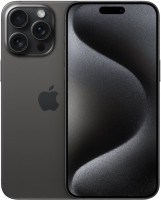
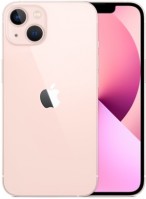
In contrast, Apple continues to market belated solutions as "revolutionary." For example, the shift to USB-C under EU pressure was presented as a gift to the user. Or the new super-thin iPhone Air—who is this even made for, and who thought of it? Unlike the new "Pro" models, it lacks liquid cooling, so the processor is likely to overheat and throttle, and the compact battery will drain much faster. So here's a removable battery with MagSafe, you're welcome.
3. Apple and the AI Race
The tech industry has recently been living by the motto "add AI to every iron," and the hype is no less than it was around blockchain at one time. For example, the capitalization of ChatGPT's parent company, OpenAI, surpassed 300 billion dollars in the spring of 2025, Oracle is nearing the trillion-dollar club thanks to wise investments in AI startups, and Google and Samsung are actively integrating various AI tools into their smartphones.
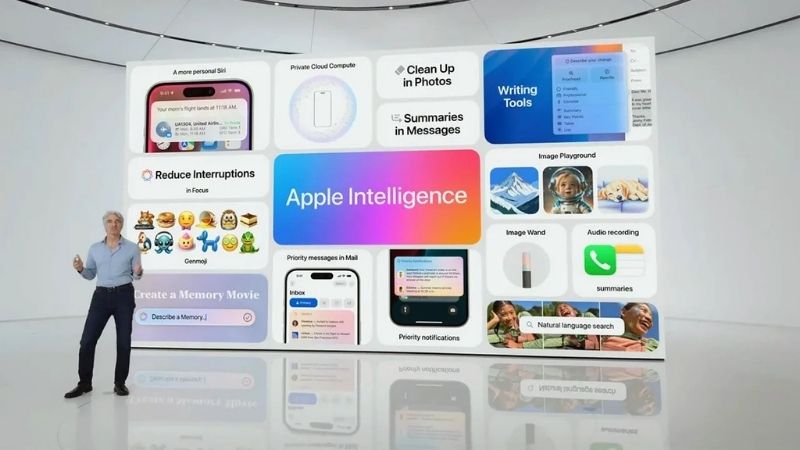
And Apple, in this context, noticeably lags behind. The launch of the Apple Intelligence platform came out scrambled and rushed. The company needed to show something to potential buyers and investors; on paper and in commercials, everything looked great, but in reality, half of the features remained in "will be ready in 2-3 weeks" mode, while some worked so-so. For instance, upon the release of iOS 18.1, many users complained about incorrect work of notifications with automatic summaries—the system often gave out incoherent or inaccurate reviews. Image Playground and Genmoji, though announced with much pomp, fall noticeably short in generation quality against competitors like Midjourney and DALL-E. And the key update for Siri has been postponed to 2026. An interesting review on this topic was on the usually reserved Marques Brownlee's channel.
4. Operating Systems Without Spark
In the old days, the new release of iOS or macOS was perceived as an event. We discussed fresh features for weeks, wrote "10 new features worth updating for" collections, argued about who would try the beta first. But in recent years, all updates have been limited to questionable cosmetics, adding basic stuff like a calculator, and solutions to artificial problems like "now you can remove the icon from the desktop without deleting the app itself". Year after year updates look like engineers themselves don't understand why they're even doing it. The irony is that Apple has always prided itself on its software magic—claiming it turns hardware into "a miracle that works".
5. Controversial Innovations

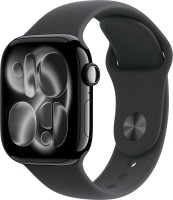
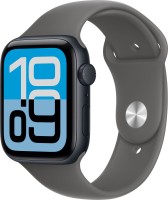
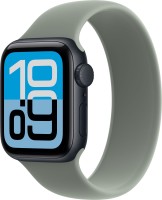
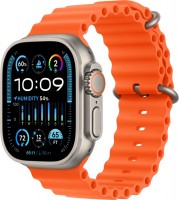
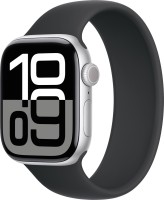
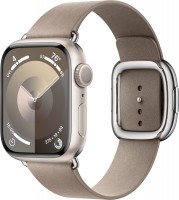
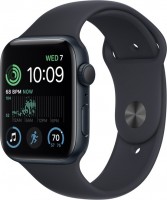
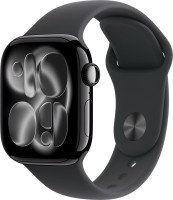
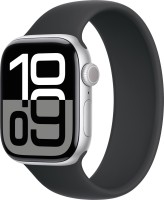
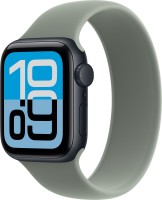
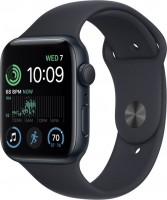
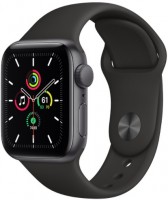
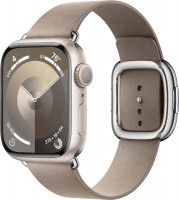
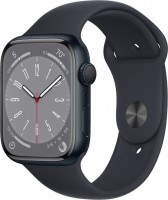
Apple loves to present minor things as a revolution, and the new AirPods with a translator are a striking example. On one hand, the idea is cool: they speak one language, and the device translates for you in real-time. On the other hand, the implementation leaves much to be desired, supporting only four languages, and the translator can only work on smartphones with Apple Intelligence support. Given the potential benefit, you'd like to believe that the translator will turn out great, but here too there are doubts. Remember the many questionable Apple innovations like the rather niche Crash Detection system, the Dynamic Island screen cutout, and the problematic ECG sensor in smartwatches.
And the recent augmented reality headset Apple Vision Pro deserves a separate discussion. Before its release, the hype was incredible; the headset was presented as a revolution, people planned to work in it, watch movies, and even vacuum. Its technical specifications were also impressive: ultra-high resolution screen, advanced sensors, powerful processor, and promises that the gadget would become an integral part of life. In practice, it turned out to be a heavy, expensive, and not particularly useful toy, spawning the meme about the world's most expensive and tech-savvy dust collector.




6. Artificial Complication and Legal Battles
Lately, Apple has taken a liking to complicating users' lives under the guise of caring about aesthetics. The headphone jack was removed from the iPhone because there wasn't enough space inside, and then they made a fortune on wireless headphones. A similar story happened with memory card slots in the MacBook Pro—they were removed for "thinness" but later returned under user pressure. And the iPhone chargers were removed from the box under the guise of "caring for the environment".
And let's talk about accessories. Remember the legendary wheels for the Mac Pro for $700 and the monitor bracket for over a thousand dollars. While analogs from third-party manufacturers cost multiple times less. It sometimes seems the company is testing the limits of fan patience by selling quite ordinary, if not basic, things like smartphone cords and screen cloths under the guise of premium stuff.
And because of such decisions, Apple regularly gets into scandals with regulators. Problems with monopoly in the App Store, legal battles with Epic Games Store, and EU pressure for charger unification and the shift to USB-C are consequences of the company deliberately complicating users' lives rather than thinking about practical benefits for its fan base.
7. Burning Money and Declining Capitalization
Apple knows how to invest billions into projects that turn out to be problematic or don't pay off at all. Of course, a company with its power, name, and strength reserves can afford to burn money on experimental projects and even should do so—otherwise, where would innovations come from? However, it is with innovations that things haven't been going well lately. News about developing smart glasses has been circulating for over 10 years. The mythical iCar project reportedly has billions invested and has been shelved. And sales of the hyped Vision Pro headset turned out to be much lower than the forecasts (less than 100,000 units in 6 months), putting it in the company of the 2nd and 11th legions' primarchs, who the God-Emperor erased from the history of humanity's Imperium.
Then there's Apple TV+ streaming, which threw money at Hollywood and planned to become Netflix's main competitor; on one hand, it feels pretty good (45 million subscribers in the spring of 2025) but on the other hand, consistently loses money ($1 billion a year), produces a few series annually, and is rather an image project for the company. As a result, investors used to stable growth now see how Akela missed and ponder the prospects. However it turns, Apple is no longer the world's most valuable company (Microsoft and Nvidia lead the way), and right after the iPhone 17 presentation, its shares fell to $226.84 (a 3.2% drop). Still, we are not stock analysts and do not plan to delve into this topic.









8. So What in the End?
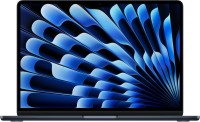
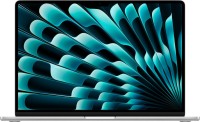
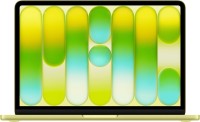
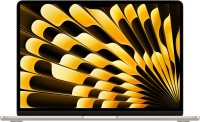
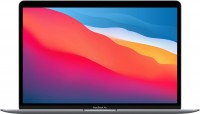
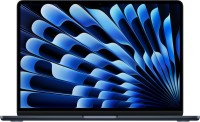
Apple still remains a tech giant, but signs of weariness and loss of drive are evident. The company continues to release expensive products with doubtful innovations, faces regulatory issues, and gradually loses the charm that once made it unique, and the only genuinely cool product recently added to its catalog is the ARM-based Apple Silicon M-series processors for laptops. Nokia's history is a reminder that even seemingly invincible titans can turn to bronze and lose their grip if they lose touch with customers, engaging in questionable ventures. The annual race for the consumer's wallet gradually pushes Apple away from the forefront of innovation. It would be better to present a genuinely innovative product at least once every three years than to limit themselves to minimal changes and release a new color every year.

Articles, reviews, useful tips
All materials