It uses P-cores with Lion Cove architecture and E-cores Skymont. A separate NPU block with a performance of 13 TOPS.
No integrated graphics. Neither core type supports Hyper-Threading.
The information in the model description is for reference purposes. Always clarify the specifications and configuration of the product with the online store manager before purchasing. Catalog Intel 2026 - new arrivals, bestsellers, and the most relevant models Intel.
Intel Core Ultra 285K, 265K, & 245K CPU Specs: Bending Fix, Power Reduction, & Prices
10 October 2024519 951 view
Core Ultra 5 245K vs Core i5 14600K - Test in 10 Games
27 October 2024157 993 view
Intelligent Optimization
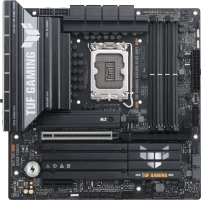
The Intel Core Ultra 5 225F processor offers a favorable balance of price and performance for building a mid-range PC on a limited budget. One of the key advantages of this model is the support for current components and technologies, including AI capabilities. The chip is designed for motherboards with an LGA 1851 socket, is compatible with PCI-E 5.0 standard graphics cards and SSDs, and works with DDR5 RAM up to 6400 MHz. The processor includes a built-in neural module with a power of 13 TOPS and Deep Learning Boost technology, which help accelerate background operations and intelligent scenarios: video conferencing, photo and video processing, data search and structuring. In games, the CPU shows moderate performance, sufficient for most demanding projects at reasonably selected graphics settings. However, the model is more oriented towards novice users and enthusiasts, as advanced gamers might dislike the lack of overclocking capability.
Technical Composition
The processor is manufactured with a 3-nm process, which positively affects energy efficiency and helps maintain balanced heat dissipation levels. The chip includes 6 high-performance Performance cores and 4 energy-efficient Efficient cores with a base frequency of 3.3 GHz and 2.7 GHz, respectively. All cores operate in single-thread mode but support automatic frequency boosting: up to 4.9 GHz for P-cores and up to 4.4 GHz for E-cores. Thanks to this, the system confidently handles high loads, and the moderate heat dissipation reduces the risk of overheating and throttling. For such a build, a mid-range 550W power supply and an inexpensive cooling system are usually sufficient.