History of tablets

We independently test the products and technologies that we recommend.
 |
A little later, the so-called Tablet PC appeared on the market. In fact, they were laptops equipped with touch screens. They exist to this day. These are devices of sufficiently complex design and high cost, but they have not been distributed. And you can't call them full-fledged tablets, rather they are transformer laptops.
An attempt to create something like a tablet was made by Nokia, which released several devices positioned as Internet tablets. But they did not succeed. Mainly because of their narrow specialization (they were perceived as devices for using the Internet, nothing more) and a small amount of software. And the size of the devices turned out to be unsuccessful — they were too bulky to carry in your pocket, but not large enough for permanent use.
 |
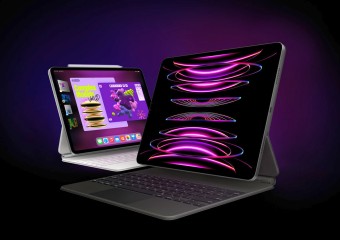
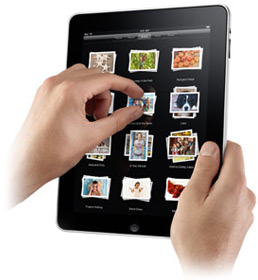
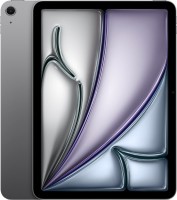
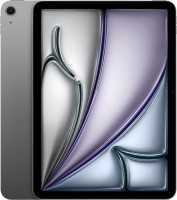
Apple managed to revive the classic tablet concept. The iPad, which appeared in 2010, was brilliant in its simplicity. Consumers were most surprised by the screen size (aspect ratio 4:3 instead of widescreen, which is more suitable for watching movies). The reason is that Apple has created not just a device on which it is convenient to watch videos, but a computer that is perfect for surfing the web, reading books and even listening to music. Subsequently, few manufacturers ventured to introduce a device with such a screen.
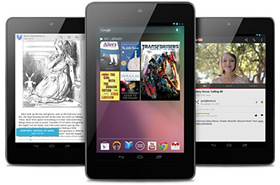
The resounding success of the iPad gave impetus to the emergence of fashion for tablets. All manufacturers who have at least something to do with computer technology decided to launch such devices. Plans were made, concepts were demonstrated, but nothing really happened. The iPad was selling millions of copies at that time. Chinese "underground" factories were the first to enter the market, presenting a creepy, but quite workable parody called iPed. Interestingly, this miracle was assembled at a factory that was literally across the street from the factories where the iPad was produced. The first real competitor to the Apple tablet was destined to be the Samsung Galaxy Tab with the Android operating system. This tablet appeared on the market six months after the iPad. It took more than a year for other manufacturers to do this. Many companies, realizing that they did not meet the deadlines, threw frankly raw devices on the market, with many flaws in both software and hardware.The main competitors of the iPad are based on Android. Attempts were made to conquer the market with the help of devices with webOS and BlackBerry OS, but they were not crowned with success. As for the Windows tablets on board, they aroused the interest of only a small number of consumers. After all, Microsoft's operating system is not particularly suitable for devices of this type. Perhaps with the advent of Windows 8, the situation will change.



Articles, reviews, useful tips
All materials