HDR10, HDR10+ and Dolby Vision – What’s the Difference?

We independently test the products and technologies that we recommend.
1. What is HDR
HDR, or "high dynamic range," is a technology that allows for high contrast between the brightest and darkest areas of an image, making the picture more vibrant and accurately capturing all shades of lighting. Before HDR, the main video standard was the so-called SDR (i.e., standard dynamic range), whose technical capabilities were limited by a low brightness range (100-250 nits), average contrast, and 8-bit color depth. Unlike SDR, HDR fully unlocks the potential of modern screens, allowing them to convey all the nuances of lighting and color palette in movies and games.
2. Differences between HDR, HDR10, HDR10+, and Dolby Vision
The term HDR first appeared in 2014. As it is a widely recognized term, many TV manufacturers began developing their own standards, sparking another format battle, the outcome of which is still difficult to predict. At present, there are 4 main types of HDR, but in reality, the difference between them is not as important as the quality of the TV itself (we will discuss other screen types later). In general, most modern TVs, except for the most budget-friendly ones, are capable of providing a pleasant HDR experience.

HDR10
- a widely accepted standard, used everywhere;
- quality exceeds SDR, but often falls short of HDR10+ and Dolby Vision;
- uses static metadata.
HDR10 is a widely accepted standard found in most modern TVs, monitors, mobile devices, etc. Unlike other types of HDR, HDR10 is an open standard, does not require licensing, and is used by most current streaming platforms, including Netflix, Disney+, and Apple TV.
HDR technology involves using at least 10 bits (more than 1 billion different shades) for color encoding, whereas the regular format uses 8-bit color, reflecting only 16 million colors. HDR utilizes static metadata for the entire video — this is additional information that specifies brightness, contrast, and color parameters when playing HDR video.







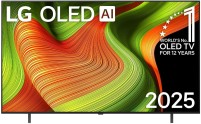


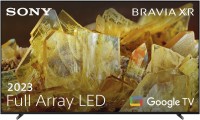

HDR10+
- much less common than HDR10;
- uses dynamic metadata;
- image quality is superior to HDR10.
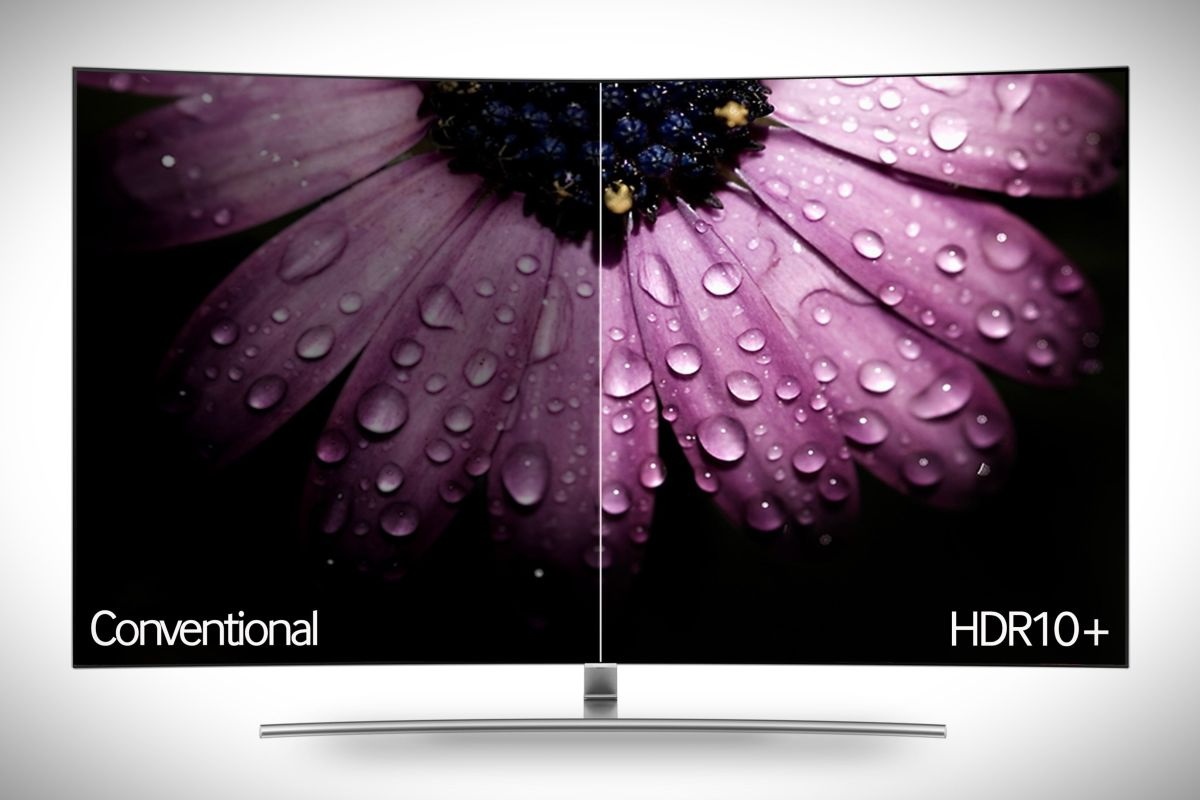
In 2017, Samsung and Amazon, with support from Panasonic and 20th Century Fox, launched a more advanced version of HDR10 with the Plus prefix. In fact, it became a response to the Dolby Vision format to avoid paying Dolby licensing fees. It is much more demanding in terms of brightness (ideally needing 4000 nits) and uses dynamic metadata.
Whereas regular HDR aligns everything with the same brightness and color parameters, HDR Plus gives creators complete freedom to decide how each frame should look. There are no restrictions — a single frame can have different maximum brightness settings even for individual droplets running down glass.















Dolby Vision
- supported by a wide range of devices;
- arguably has the best quality among all HDR types;
- extremely demanding on screen quality;
- uses dynamic metadata.
Dolby Vision is a more advanced standard from Dolby, commonly found in premium-class equipment. Like HDR10+, Dolby Vision supports the use of dynamic metadata that contains instructions for each frame, helping the display reproduce content with maximum accuracy according to the creators' vision.
On the downside, there are high technical requirements. To unlock the full potential of the format, an advanced TV screen with 12-bit color depth and theoretical peak brightness of up to 10,000 nits is needed (Dolby's recommendations state at least 1000 nits). Additionally, since this is Dolby's proprietary development, content creators must pay royalties when using Dolby Vision. However, recently this is less of an issue — platforms like Disney+ and Amazon Prime are full of content supporting Dolby Vision.
HLG
- free format;
- used in broadcasting;
- backward-compatible with SDR.
HLG, or Hybrid Log-Gamma, was jointly developed by BBC and NHK, and the first TVs with HLG support were introduced by LG in 2017. Unlike the previous formats, it is backward compatible with SDR TVs. The key feature of HLG is that it is much less demanding on bandwidth than two separate SDR + HDR channels, enabling it to be transmitted as a single 10-bit digital stream. Regular screens will display broadcasts in standard SDR, while more advanced ones will do so in HDR.
3. Implementing HDR in computer monitors
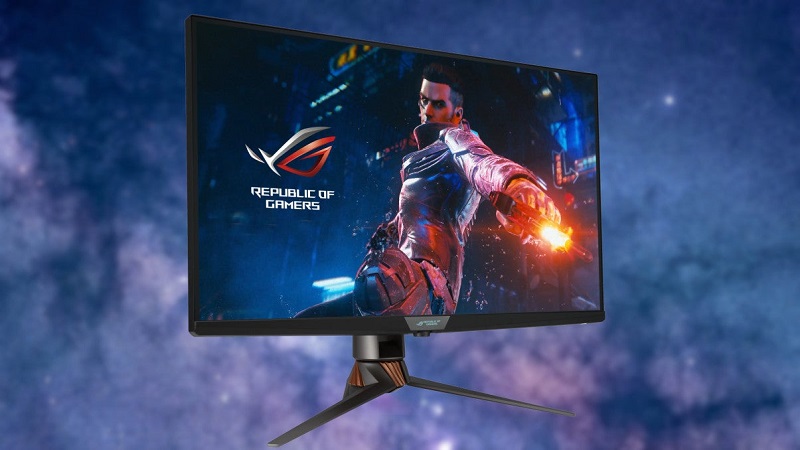
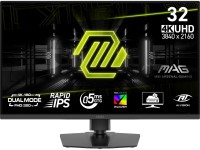
All of the above mostly pertains to televisions. On the other hand, monitors make things more complex because modern monitors are harder to fit into the HDR10 standard framework, if only due to limited brightness, which rarely exceeds 350 – 400 cd/m² in most entry-level models. Consequently, it was only at the end of 2017 that 20 large companies, including AMD, NVIDIA, Intel, and Samsung, along with the VESA association, developed a unified standard called DisplayHDR. It proposes to divide monitors into several main classes:
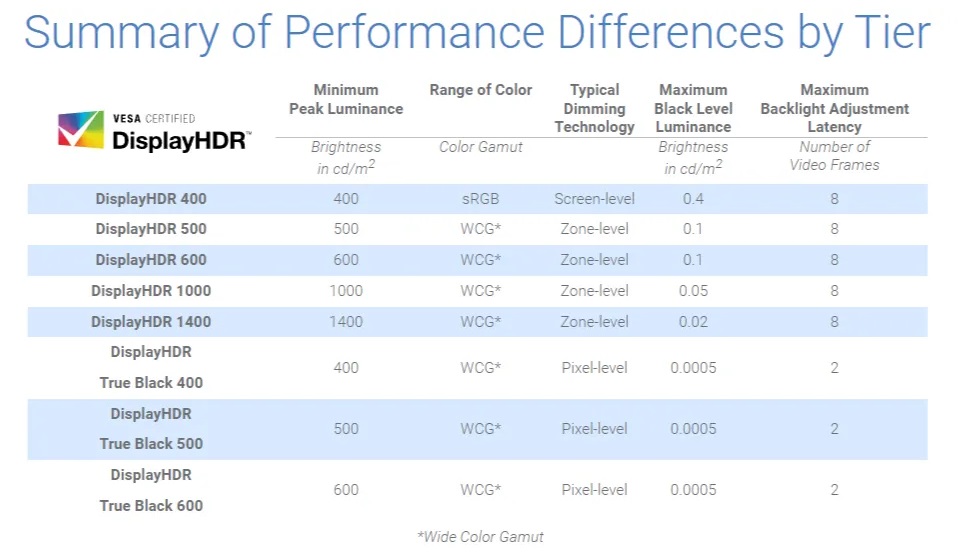
- DisplayHDR 400 ― the basic standard, requiring a monitor brightness of up to 400 cd/m² and 8-bit color coverage. In theory, suitable for basic HDR content, but in practice falls far short of revealing HDR's full potential.
- DisplayHDR 600 ― a more advanced standard, requiring brightness of at least 600 cd/m², 10-bit color, and support for local dimming (Local Dimming). This monitor can already display a more detailed image with deep shadows and bright highlights.
- DisplayHDR 1000 ― an advanced subtype of HDR, roughly equivalent to television HDR quality. Found mainly in premium-class monitors with a brightness reserve of at least 1000 cd/m². These are mostly models with dynamic or MiniLED backlighting, as well as OLED monitors.
- DisplayHDR1400 ― a fairly new standard found only in high-end monitors like the Philips 27B1U7903 with peak brightness of 1400 nits or more.
As a result, PC gamers often feel confused and disappointed when first experiencing HDR, as the implementation of the technology depends not only on a monitor's technical specifications but also on HDR's implementation within the game itself. For example, gamers frequently praise HDR implementation in Doom Eternal, Gears 5, Sea of Thieves, and Horizon Zero Dawn, while games like God of War, Assassin's Creed Valhalla, and RE 4 Remake with HDR appear dull and washed out (note: at the time of their release, developers may have corrected this since).
Another problem lies in the strange standardization of the format and the use of technical tricks allowing temporary increases in peak brightness. For instance, in many budget monitors like the MSI G274F and AOC 24B3HA2 HDR support is claimed, though their brightness level is 250 cd/m². In reality, this is slightly above basic SDR levels and below the minimum DisplayHDR 400 requirements. Due to such confusion, the internet is filled with comments like "the monitor looks much better with HDR off than on."
















4. HDR in projectors
Many home-level projectors have limited peak brightness. To circumvent this limitation and compensate for the lack of brightness, the Tone Mapping function is often used. This function matches HDR content brightness range with the device's brightness range, adapting the image according to its capabilities. It works particularly well with HDR content that includes dynamic metadata, allowing brightness to adjust for each scene individually. In the case of static metadata, it's common for a movie to appear dark and muted just so a scene with an explosion stands out with its brightness and impressiveness.

















5. HDR-supported content
Movies and series
As previously mentioned, most streaming services, including Netflix, Amazon Prime, and Disney+, have adapted to HDR requirements and offer users a wide selection of movies and series supporting various HDR versions, including HDR10, HDR10+, and Dolby Vision. Currently, it mostly depends on the content creators themselves. Speaking specifically about HDR10+ and Dolby Vision, the latter clearly dominates in terms of available content volumes, as HDR10+ is not free and also requires licensing fees.
Consoles
Console HDR is rapidly evolving thanks to support specified for each console and because modern TVs are much better suited for reproducing "true" HDR than gaming monitors. Therefore, game libraries supporting HDR on Xbox and PlayStation are regularly updated with new titles.
PC games
Many new PC games receive HDR support, although not all of the hits from previous years do. The key problem with the format on PCs is the existence of different HDR types and the discrepancy with many monitors' specifications. As a result, many developers incorporate HDR support however they can without spending extra time. Windows offers an Auto HDR feature, but many players criticize its quality and typically disable it right away.



















6. HDR and pitfalls
- Lack of brightness and pseudo-HDR. Many manufacturers use artificial SDR expansion to HDR: in fact, monitors and TVs with fake HDR just receive HDR signals without the ability to display it as needed. Due to insufficient backlight zones and low brightness levels, one bright spot affects the brightness of hundreds of pixels, simply distorting the image. Therefore, regular SDR usually looks better and more natural than fake HDR.
- Smartphones and HDR. Modern flagship-level smartphones and tablets from Apple, Samsung, Sony, and other brands often support HDR10 and Dolby Vision formats. However, this is mainly a marketing move, as small screens and low brightness don't match the original HDR10/Dolby Vision specifications. Content adapted for smartphones is so scarce that in most cases, the image doesn't look too good.
- Compatibility. Even if you have HDR-supported equipment, you must ensure that both the content (be it a movie, series, or video game) and the device (TV, monitor, media player, console) support this technology. You'll also need the appropriate cable. For example, older HDMI cables up to version 1.4 are not compatible with HDR.
7. Epilogue: Prospects for HDR development
The advent of HDR set new standards in image quality, and we are currently witnessing another "format war" firsthand. Especially in the TV market, where three standards actually "compete": free HDR10 and paid HDR10+ and Dolby Vision. So far, Dolby Vision is the winner among the paid standards, but only time will tell who will prevail in the end. After all, there was a time when people said a horse was faster than a train. As for other technology, including monitors, smartphones, and tablets, the situation with HDR is much more confusing and will likely normalize only with the widespread use of OLED and MiniLED displays.




Articles, reviews, useful tips
All materials