Which Cookware Is Best for Cooking?

We independently test the products and technologies that we recommend.
1. Cast Iron
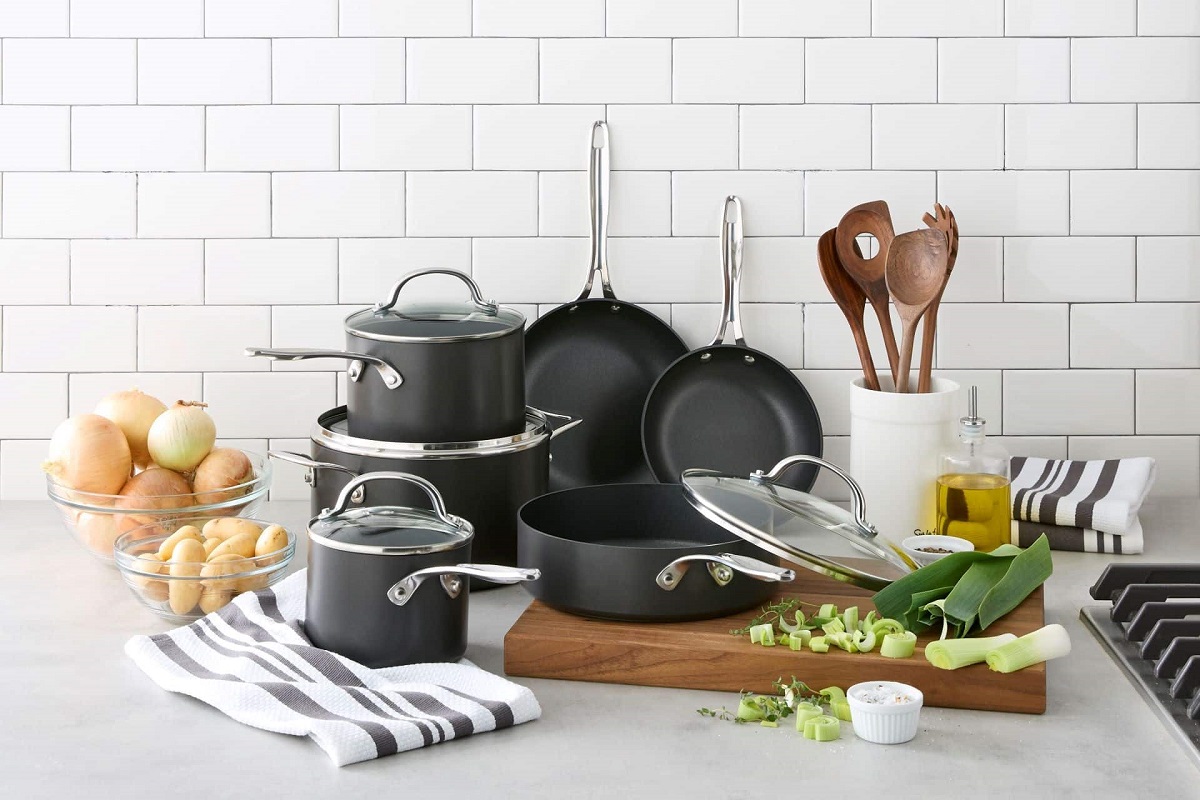
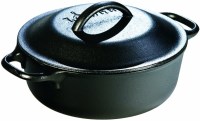
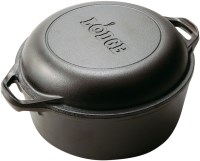
Cast iron is an enduring classic that has been used in kitchens for decades. In recent times, more modern solutions have begun to replace this material, but despite this, cast iron remains one of the most popular choices for cookware. It is completely safe for health and does not affect the taste of food in any way.
The main advantage of cast iron is its excellent thermal conductivity and long heat retention (thanks primarily to its thick walls). Therefore, it is optimal for preparing dishes that require long thermal processing: simmering, stewing, and baking. In addition, cast iron is a durable material that is resistant to high temperatures and sudden changes and does not deform when heated. Such cookware can be placed not only on the stove but also in the oven and even used for cooking over a campfire without any worries.
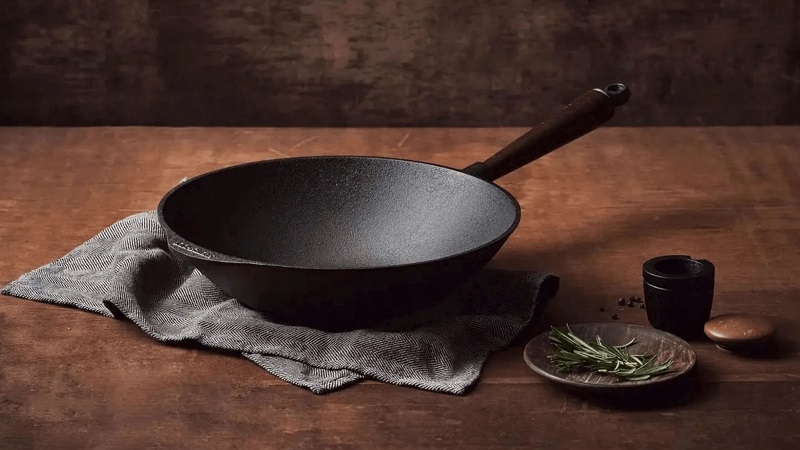
Cast iron can serve you for decades. However, longevity is only guaranteed with proper care. When acquiring cast iron cookware, remember that some time will need to be periodically spent on it. Basic recommendations include:
- Before first use, it is recommended to clean the cookware, completely dry it, cover the interior surface with a thin layer of vegetable oil, and then heat it on the stove or in the oven at 180 – 200°C for about 1 hour. This will help create a natural non-stick layer.
- Skillets need to be heated and oiled periodically to maintain their non-stick properties.
- Cleaning is better done manually, using warm water and a soft sponge, without abrasive cleaning agents, as these can destroy the non-stick layer.
- If food has burned, soak the cookware in water but only for a few minutes. Salt can also be used as an abrasive cleaner.
- Immediately after washing, dry the cookware thoroughly. You can even warm it slightly to evaporate any remaining moisture.
- Cast iron cookware is susceptible to corrosion, so prolonged contact with water leads to rust. Therefore, the cookware needs to be stored in a dry place, not covered with a lid during storage to avoid condensation, and not soaked for long periods.
- It is better not to store food in the cookware after cooking — the acids contained in foods can damage the non-stick layer and cause corrosion.
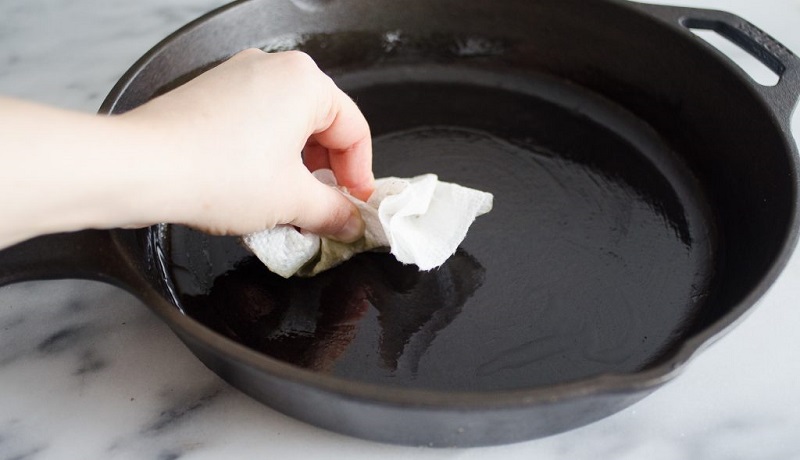
In addition to strict maintenance requirements, the disadvantages of cast iron also include its large weight.
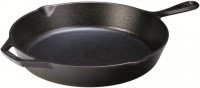
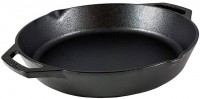
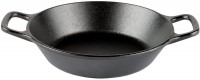
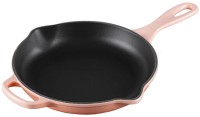
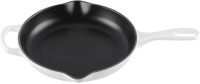
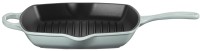
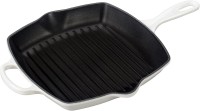
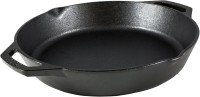
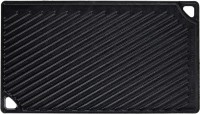
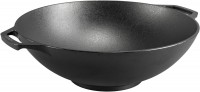
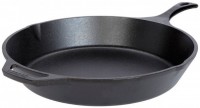
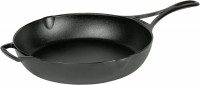
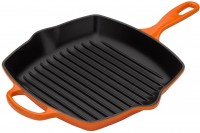
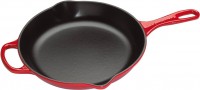
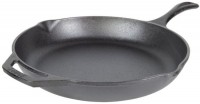
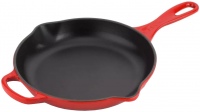
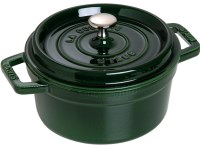
Most often, cast iron is used to make cauldrons and roasters. Also popular are cast iron skillets and pots. There are also cast iron items with a coating — usually, it's regular enamel. Its presence greatly facilitates maintenance: such cookware is easier to wash, and it is possible to marinate and store food in it without fear of corrosion.
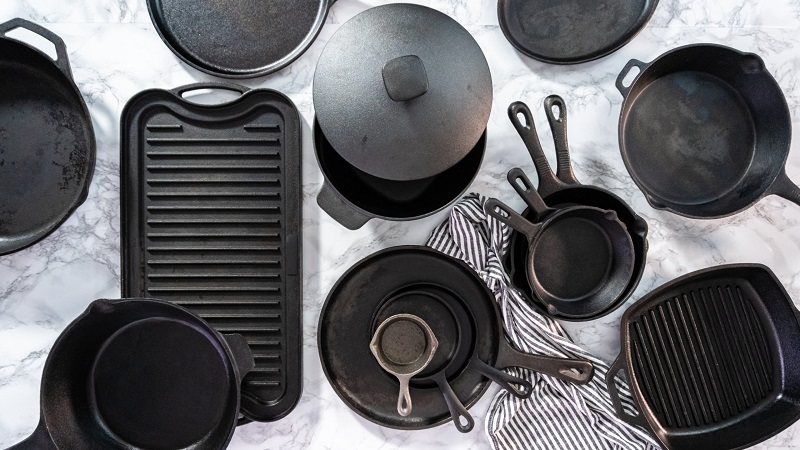
It is worth mentioning separately that cast iron is optimal for stewing and baking, but it has its peculiarities when frying. Therefore, when choosing cast iron skillets, keep in mind that they require oil — cooking low-calorie dishes without fat and oil, like on non-stick cookware, is not possible, and the food will burn. However, with time and proper care (periodic heating and oiling), they acquire natural non-stick properties, allowing for less oil to be used. A more beneficial alternative is cast iron models with an additional non-stick layer: they combine reliability and durability with ease of care and use.


2. Stainless Steel
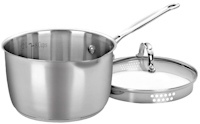
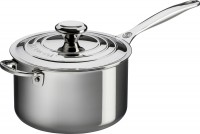
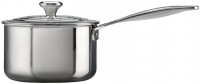
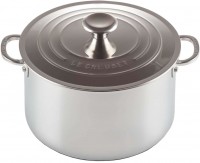
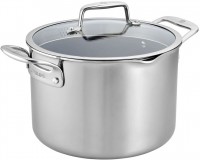
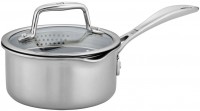
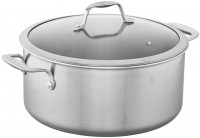
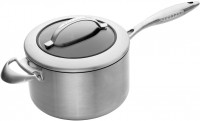
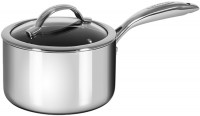
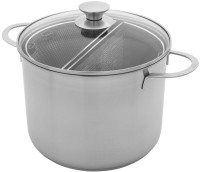
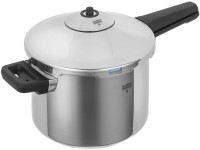
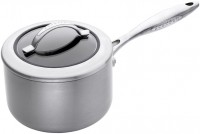
This material is prevalent not only among kitchen utensils but also in household appliances: almost everything is made from steel — from kettles, blenders, and food processors to planetary mixer bowls and multicookers. As for cooking ware, in this category, steel also plays an important role: from it are made pans, pots, roasters, and goose pans. Steel is also used in the production of bakeware, but usually in the form of an alloy with a high carbon content.
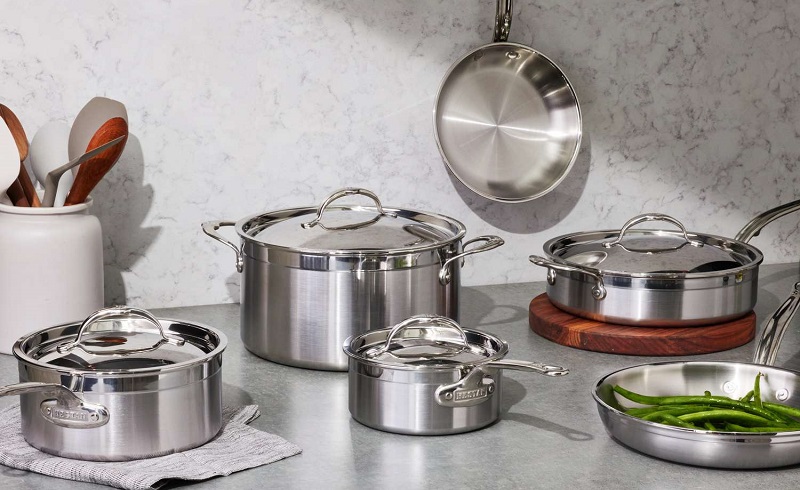
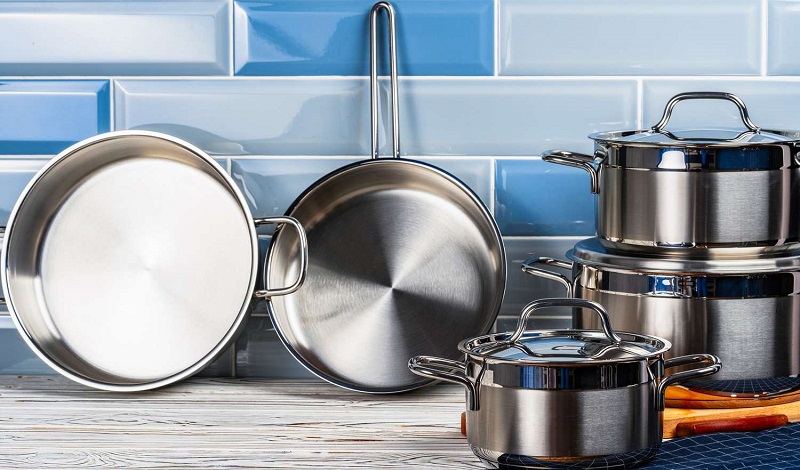
Stainless steel is completely safe for health, does not react with food, and is not afraid of acids. Unlike cast iron, it doesn't retain heat as long, but it heats up quickly. This cookware is strong, durable, and practical: stainless is not afraid of water, is easy to maintain, and thanks to its smooth surface, it is easy to clean. It can be soaked and washed in a dishwasher. However, it's still better to avoid hard metal sponges and abrasive substances — they do not affect efficiency but can leave minor scratches.
Stainless cookware is usually made from an alloy that includes iron (the main component), chromium (from 11% to 19%), and nickel. The latter element, in large quantities, can harm health, causing allergies. Therefore, if you want safe cookware, it's better to choose items marked "nickel-free" or with a nickel content of 10% or less. This is indicated by the designations 18/8 or 18/10, where the first number represents the percentage of chromium (18%) and the second — nickel (8% and 10%, respectively).
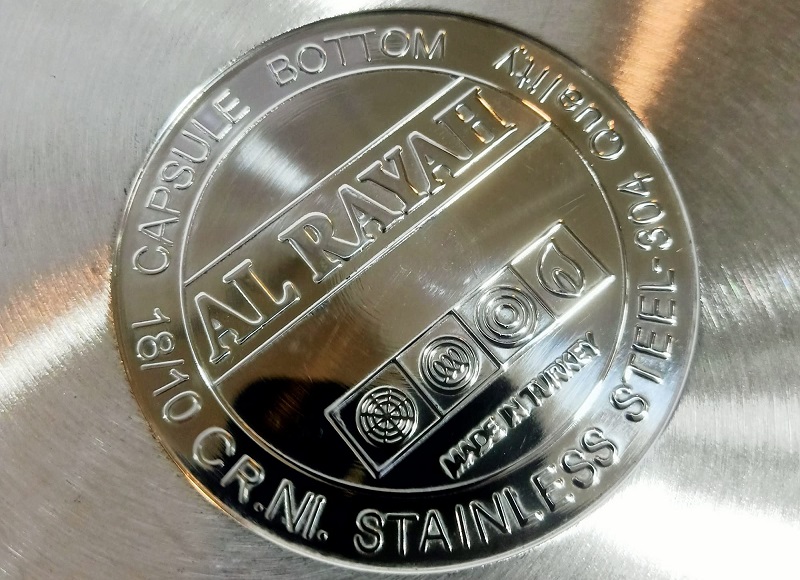
as indicated by the appropriate marking - for example, 18/10.
Additionally, a key indicator of quality cookware is thick bottoms and walls — no less than 3 – 5 mm. Such products will last longer, and food on them will burn less.
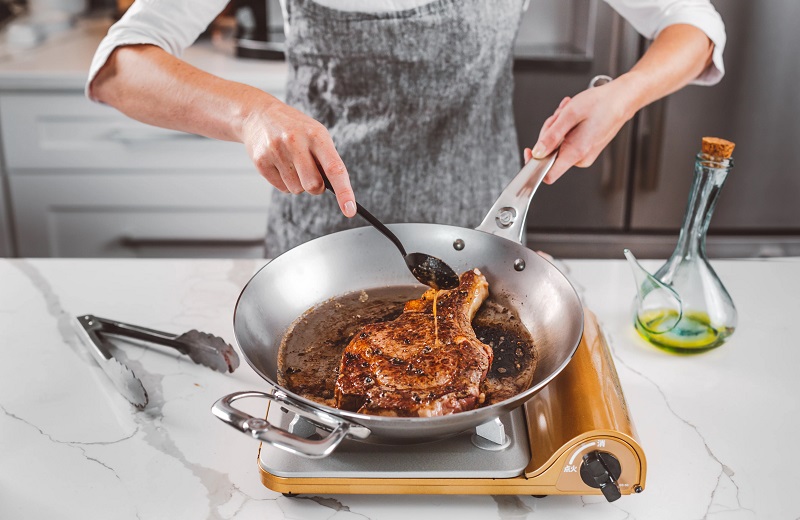
- Cooking in stainless steel cookware has its peculiarities. If it's a pot for boiling soups and dumplings, there will be no problems. However, when frying, some nuances should be considered: the pan must be well-heated. You can check for readiness by dropping water on the surface. If the drop forms a bead that slides across the surface, the temperature is ideal.
- Use oil or fat — otherwise, the food will burn.
- Do not place food on a cold or insufficiently heated pan to prevent sticking.
- Do not cook on too high a flame — steel conducts heat well, so it can overheat and lead to food burning.
Considering all these points, we recommend choosing steel pans with an additional non-stick coating for regular home cooking — it will help prevent burning and sticking. However, professional chefs and experienced cooks prefer pans made of pure stainless steel, without coatings. But working with them requires skills.





3. Aluminum
Aluminum is an inexpensive metal, so it is used in a variety of cookware models — from pans and pots to baking sheets for ovens. It is less common among cauldrons for simmering and stewing, as it cannot retain heat for long like cast iron, and therefore cannot ensure a dish cooks through after turning off the heat.
At the same time, aluminum is lightweight, has good thermal conductivity, and is easy to maintain. Keep in mind that it is a soft material that can deform when overheated. So if you choose cookware made from pure aluminum, it's better to opt for utensils with thick walls and bottoms.
Buyers often have many questions about its safety. There is a belief that this material, when reacting with food, poses a great danger to health and can even lead to serious diseases. In reality, these concerns are exaggerated but not entirely unfounded. Aluminum is highly chemically active and interacts with oxygen. An oxide film forms on the metal's surface, preventing aluminum ions from penetrating food. Hence, when used correctly, aluminum is not toxic.
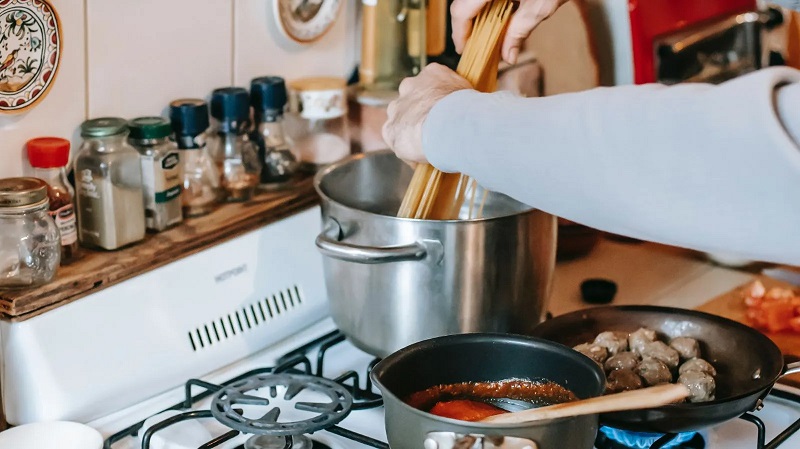
However, the integrity of this film can be compromised, allowing aluminum particles to enter food. This can happen due to mechanical damage (e.g., from metal brush scrubbing or knife contact) or when interacting with acids and alkalis. Therefore, aluminum cookware is not suitable for all dishes. It can safely be used to cook porridge, eggs, potatoes, pasta, and boil milk — aluminum cookware is considered ideal for this process, without the risk of milk burning. It's not recommended to cook sharp and acidic dishes — for example, tomato sauces, solyanka, spicy-sour Chinese soups, etc.
Also, it's not advisable to store food in aluminum containers. It's better to choose more inert materials like glass for this purpose.
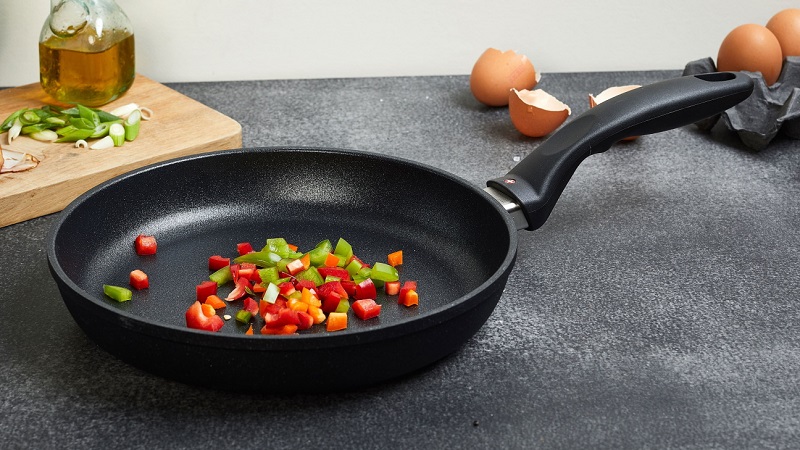
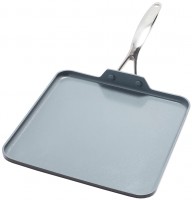
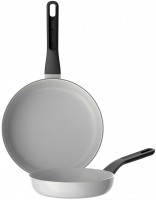
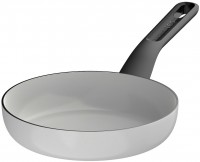
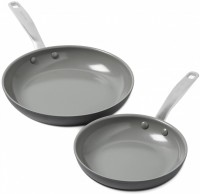
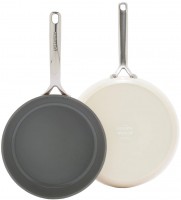
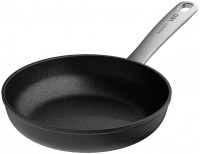
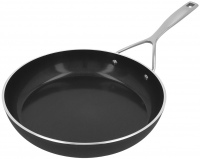
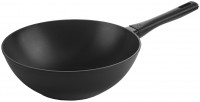
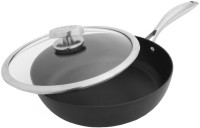
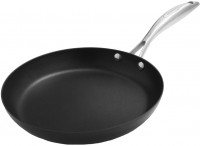
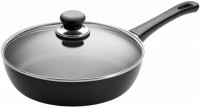
To ensure safety, choose devices made of anodized aluminum. It has a protective oxide layer that prevents interaction with food and makes the cookware safe for health. In addition, sometimes aluminum is encased in stainless steel or another strong metal to ensure safety. Manufacturers of pots and pans usually use aluminum as a base, supplementing it with a non-stick coating — in this case, the food does not burn and does not interact directly with the metal.



4. Glass
Glass is the most environmentally friendly and chemically inert material, meaning it is completely safe for cooking and storing food. It is suitable not only for preparing cold dishes but also for boiling and baking. Therefore, there are various glass bowls and containers for salads, sauces, etc., as well as goose pans, oven dishes, and even kettles and pots. In addition, glass is used to make lids for pans and pots — they do not come into contact with fire but allow you to monitor the cooking process without removing the lid and disrupting the temperature regime. The main thing is that the glass is heat-resistant and thick; hence, the cookware can be placed in the oven, microwave, or refrigerator.
Glassware does not rust, can soak in water for hours, does not absorb foreign smells, does not get stained when in contact with vegetables and fruits, and is very easy to clean due to its smooth surface.
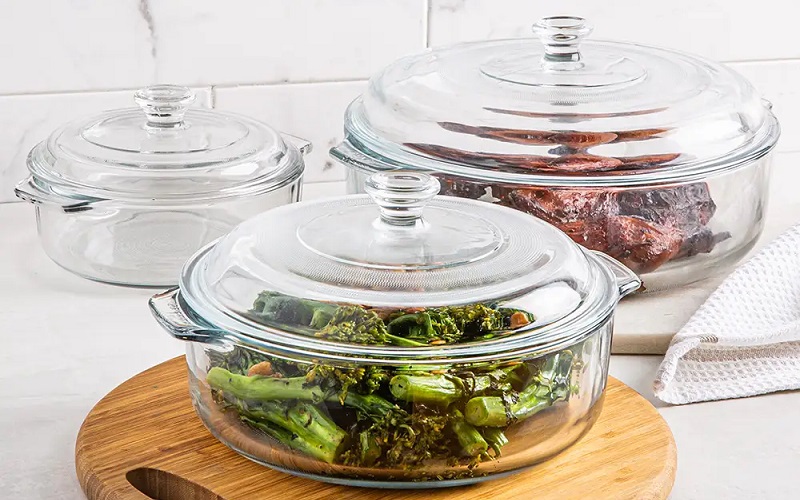
However, this material requires careful handling. Glass is brittle, so it can break as a result of blows and falls. Naturally, if cracks or chips appear, the item cannot be used further. Glass cookware is sensitive to sudden temperature changes. Do not pour cold liquid into a heated dish or place a container from the oven directly into the fridge. An exception is borosilicate glass — it is less sensitive to thermal expansion, has high thermal resistance, and withstands sudden temperature changes.
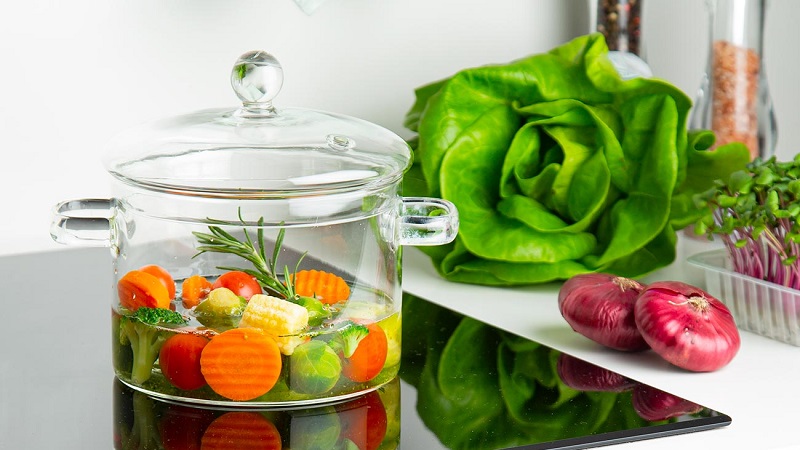
Recently, glass pots are becoming more familiar on the shelves of stores. They look impressive, especially if you are boiling soup or stew from colorful vegetables. Manufacturers claim these pots are not afraid of open flames. However, we still recommend handling them carefully. It often happens that such cookware (especially budget-friendly) unexpectedly shatters into pieces, leading to a mess in the kitchen, food spoilage, and sometimes even injuries.
5. Ceramic
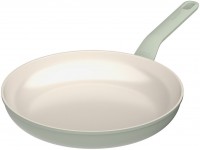
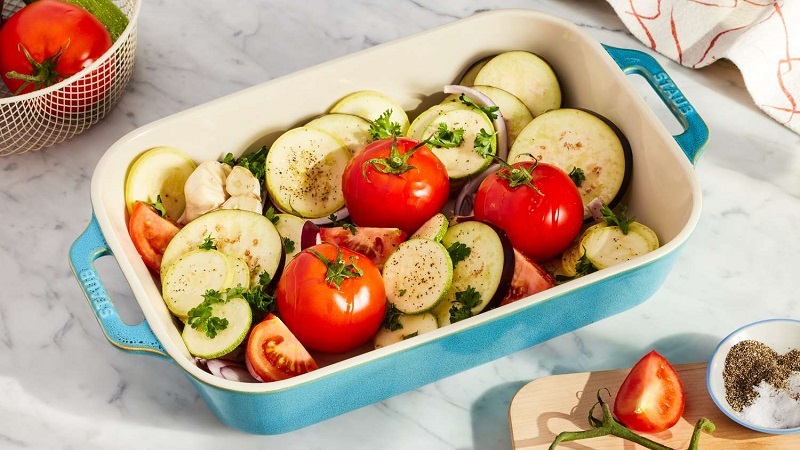
Ceramics is made from natural materials, does not contain harmful substances, and does not react with acidic or spicy foods, meaning it is entirely safe for health. It can withstand high temperatures and is suitable for both the stove and the oven. The material distributes heat well, ensuring even cooking in ceramic dishes. Furthermore, ceramics are low-maintenance: the smooth surface is easy to clean from dirt, even dried-on food, and allows hand washing and use in the dishwasher.
The ceramic surface is hard to scratch, so one can safely use metal spatulas. Even if scratches appear, they do not affect efficiency. Appearance is also essential. Ceramics can be dyed in different colors to add bright accents to kitchen interiors.
Ceramics' "weak spot", like glass, is its fragility: cookware can shatter as a result of impacts and falls, so it should be handled carefully. Additionally, the ceramic material is sensitive to sudden temperature changes — avoid placing hot dishes under a cold stream or directly into the refrigerator.
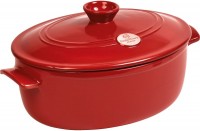
Most often, ceramics make various baking dishes and goose pans. They are beautiful, so they can be used for serving dishes. Also used for ceramic-based coatings in pots and pans.
6. Silicone
Silicone is one of the "youngest" materials used relatively recently for cooking. Food-grade silicone has flexibility and heat resistance, does not react with food, does not affect the taste and smell of products, and does not release toxic substances when used correctly. However, poor-quality silicone can contain harmful impurities, melt under high temperatures, and emit odors when heated. Therefore, it is recommended not to save on quality cookware — silicone utensils are inexpensive.
Silicone allows working with cold ingredients and hot surfaces, conducting thermal processing. This material can withstand temperatures from -40°C to +230°C and, in some cases, up to +300°C. Note: not for contact with open flame; silicone is intended for refrigerators, freezers, cooking in ovens, or stovetop frying. This includes varied inventory: baking molds, pastry molds, candy molds, rolling mats, spatulas, whisks, brushes, ice molds, etc.
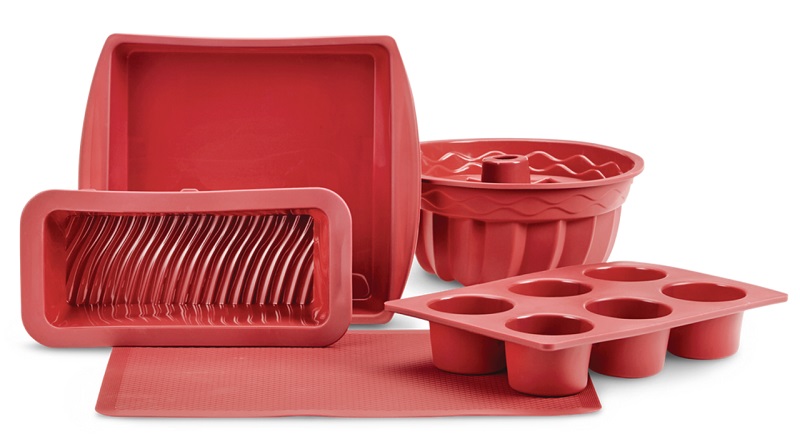
Silicone enables producing devices of different shapes, sizes, and colors at low prices, allowing for creative dish designs: for example, make flower-shaped pies, freeze desserts in shapes of ice creams or animals, or make chocolate bars by yourself. Thanks to the smooth surface, contents are easily removed from molds, and they can be cleaned manually or in a dishwasher — even complex stains are removed quickly. The only limitation is contact with sharp objects, potentially cutting silicone molds.
7. Plastic
In the modern world, plastic is omnipresent, including in the kitchen. Plastic utensils are made from various types of polymers, including polypropylene (PP), polyethylene (PE), polycarbonate (PC), melamine, and more, with bakelite (another variety of plastic) serving as handle material for many models of pots and pans. However, plastic is not recommended for cooking hot foods and contact with high temperatures. Such utensils are widely used for storage, serving, preparing cold dishes, and transporting food. They may include salad bowls, dish bowls, lunchboxes, spice jars, storage containers, and disposable dinnerware (plates, cups, forks, and spoons). They are affordable, easy to transport due to minimal weight, shock and fall-resistant, and meant for storing in refrigerators, freezing, and sometimes microwave use (with appropriate labeling).
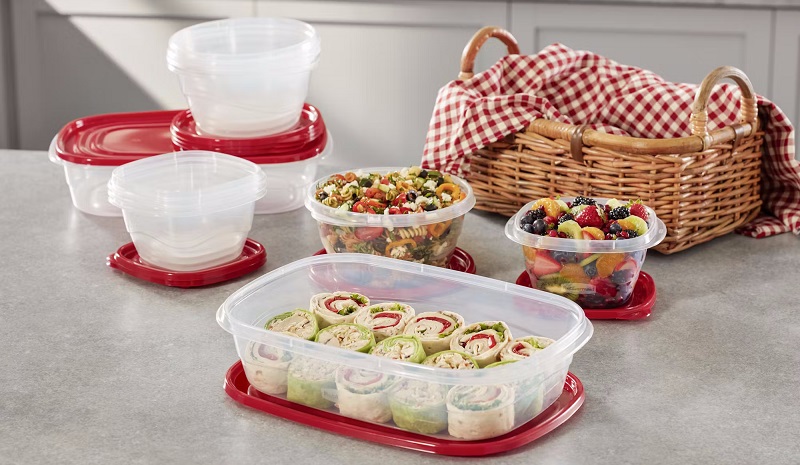
Plastic utensils are considered the most hazardous, and rightly so. Some types contain toxic substances, including BPA, melamine, formaldehyde, and polystyrene, released under heat or acid exposure. They can harm health: triggering gastrointestinal illnesses, eczema, etc. Especially if exposed to a large quantity of toxins over long periods. Therefore, storing hot food and drinks in plastic utensils is not recommended. It's best to use safe BPA-free containers — confirmed by "BPA-free" marking.
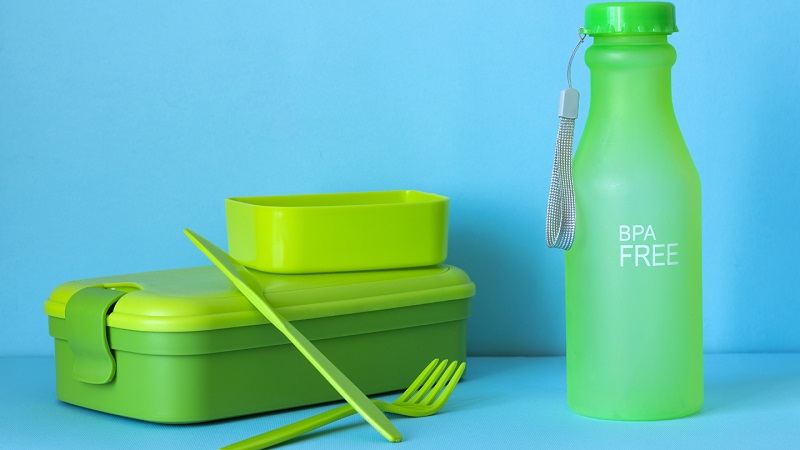
Additionally, plastic utensils have a short lifespan: over time, they may get stained, absorb smells, and crack, necessitating periodic replacements with new ones.
8. What's Better?
Summarizing the above, we can draw the following conclusions:
- For regular home cooking, a good choice would be aluminum pans with non-stick coating and enamel-coated pots. If the pot or saucepan is used for frying and boiling, opt for a model with a non-stick coating.
- Professional chefs often choose cookware made of pure stainless steel. It is indeed practical but requires specific skills to work with.
- For baking in the oven, it's better to choose glass forms as they prevent burning and are very easy to clean.
- If looking for cookware for bread, muffins, or interesting children's desserts — use silicone-shaped molds.
- The most durable and long-lasting is cast iron cookware, but to extend its service life — special care is needed.
- For storing prepared food, either plastic or glass containers are optimal, and if transportation is necessary — plastic utensils are best suited.
To better understand the pros and cons of each material, we've compiled a comparison table:
| Advantages | Disadvantages | |
|---|---|---|
| Cast Iron |
|
|
| Stainless Steel |
|
|
| Aluminum |
|
|
| Glass |
|
|
| Ceramic |
|
|
| Silicone |
|
|
| Plastic |
|
|
Articles, reviews, useful tips
All materials