
Epoxy adhesives
prices on 20 modelsEpoxy
— two-component system "resin + hardener", which, after mixing, polymerizes into a very strong, rigid, and chemically resistant bond with excellent adhesion to metal, wood, stone, ceramics, composites, and most plastics with prior roughening. It fills gaps, does not shrink, works well on large areas, and after full curing, it can be sanded, drilled, and serves as a structural joint; therefore, it is used for boat and body repairs, furniture and tool bonding, electronics and jewelry casting. For household use, "5-minute" versions are convenient for quick fixes, while slow-curing formulas with long "pot life" are chosen for maximum strength; it is important to observe proportions accurately, mix thoroughly until uniform, and keep the part under pressure, avoiding thick "layers" that can overheat and yellow. Compared to cyanoacrylate, epoxy takes longer to set but holds gaps and loads better, while against polyurethane, it wins in rigidity and chemical resistance, but loses in elasticity. Outdoors, it should be protected from direct UV exposure with a coating to preserve appearance.When you make a purchase through links on our site, we may receive a affiliate commission.
 |
7.99Buy!
$
$
Newegg.com
Delivery: to Redlands
Report
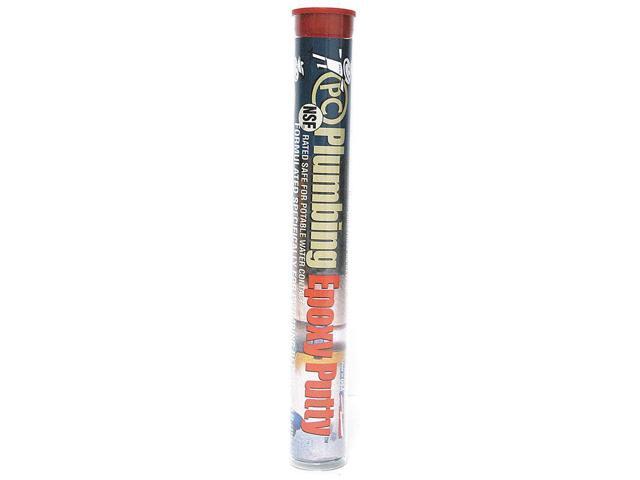
The brand for this item is PC PRODUCTS Orders $75 or more ship free This item ships directly from Zoro
 |
12.79Buy!
$
$
Newegg.com
Delivery: to Redlands
Report
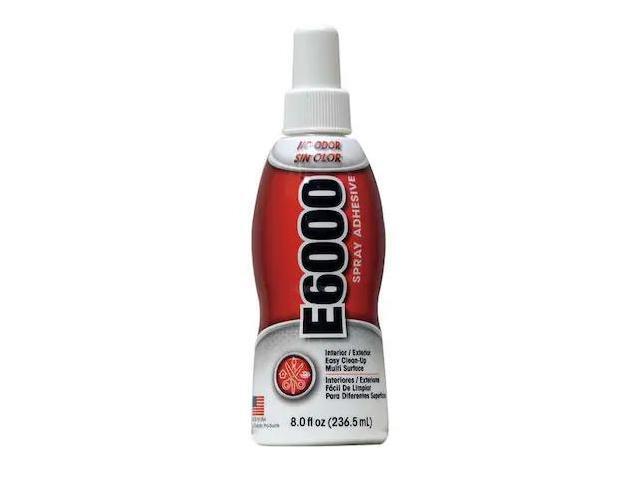
The brand for this item is ECLECTIC PRODUCTS Orders $75 or more ship free This item ships directly from Zoro
 |
14.59Buy!
$
$
Newegg.com
Delivery: to Redlands
Report
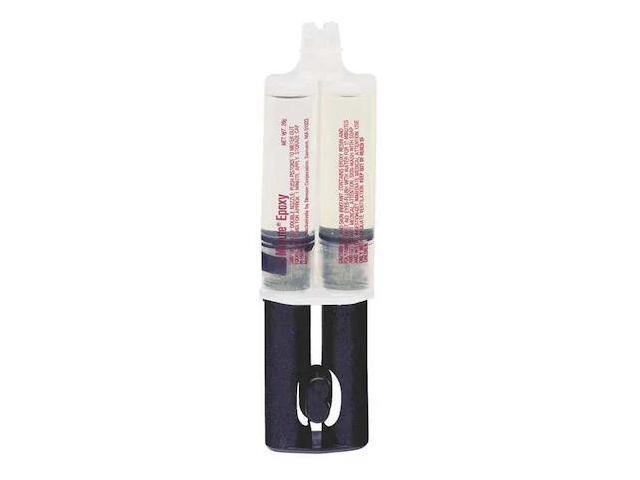
The brand for this item is DEVCON Orders $75 or more ship free This item ships directly from Zoro
 |
22.75Buy!
$
$
Newegg.com
Delivery: to Redlands
Report
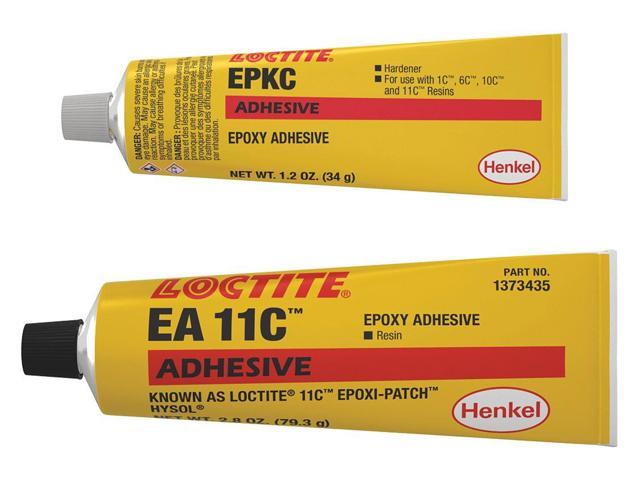
The brand for this item is LOCTITE Orders $75 or more ship free This item ships directly from Zoro
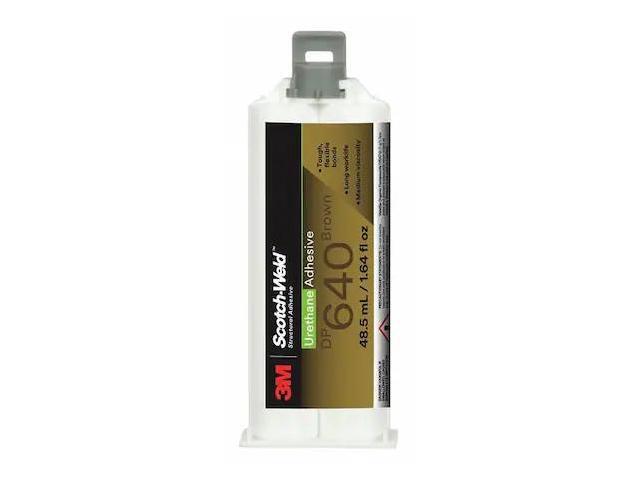 |
23.69Buy!
$
$
Newegg.com
Delivery: to Redlands
Report
The brand for this item is 3M Orders $75 or more ship free This item ships directly from Zoro
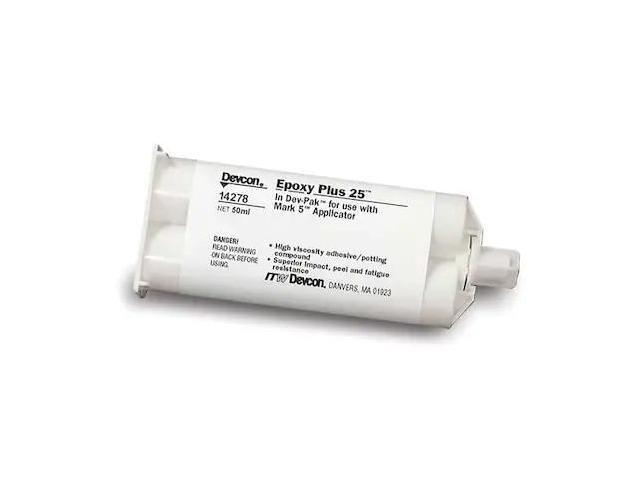 |
29.55Buy!
$
$
Newegg.com
Delivery: to Redlands
Report
The brand for this item is DEVCON Orders $75 or more ship free This item ships directly from Zoro
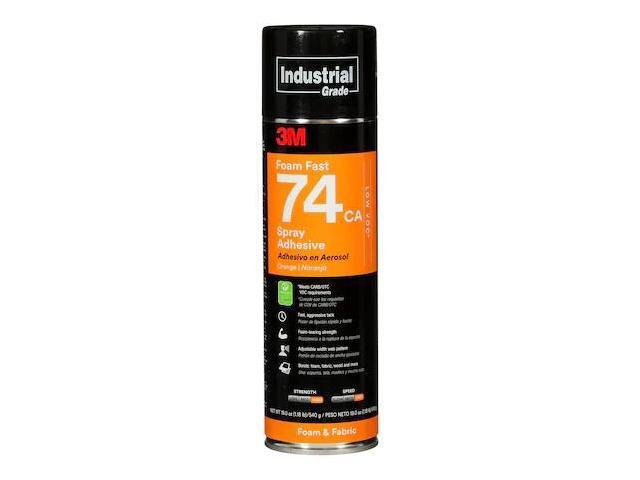 |
37.55Buy!
$
$
Newegg.com
Delivery: to Redlands
Report
The brand for this item is 3M Orders $75 or more ship free This item ships directly from Zoro
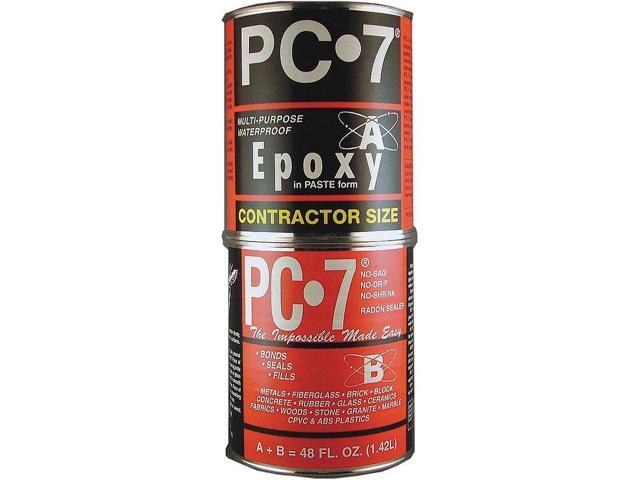
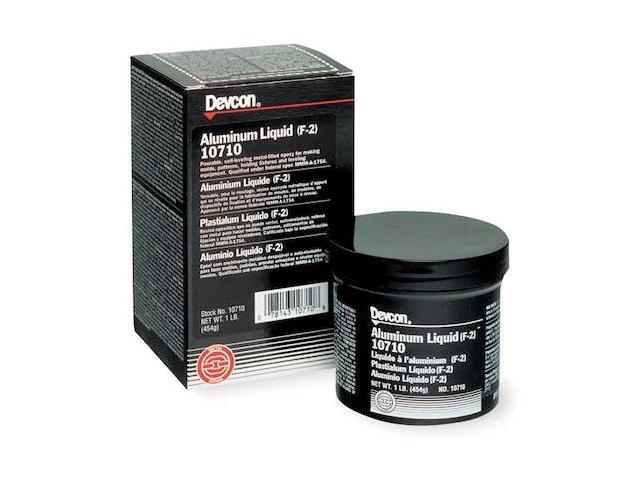 |
113.99Buy!
$
$
Newegg.com
Delivery: to Redlands
Report
The brand for this item is DEVCON This item ships free This item ships directly from Zoro
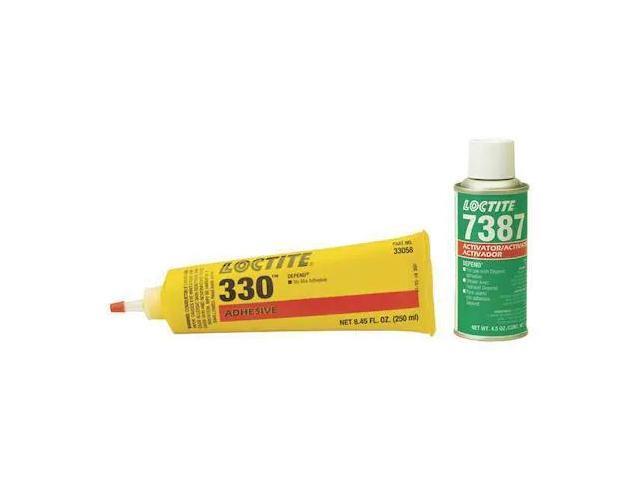 |
119.99Buy!
$
$
Newegg.com
Delivery: to Redlands
Report
The brand for this item is LOCTITE This item ships free This item ships directly from Zoro
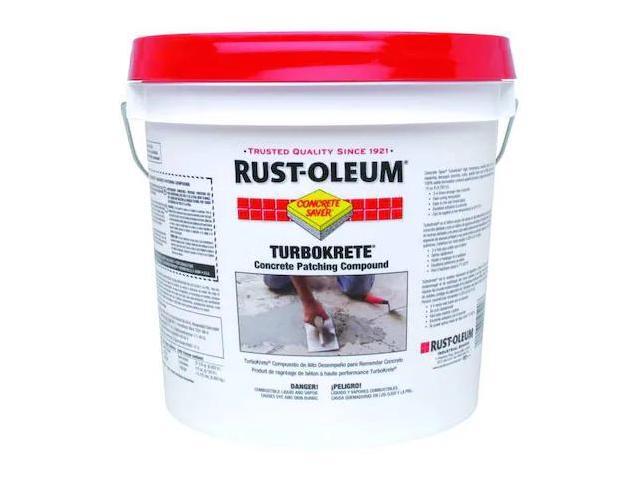 |
179.99Buy!
$
$
Newegg.com
Delivery: to Redlands
Report
The brand for this item is RUST-OLEUM This item ships free This item ships directly from Zoro
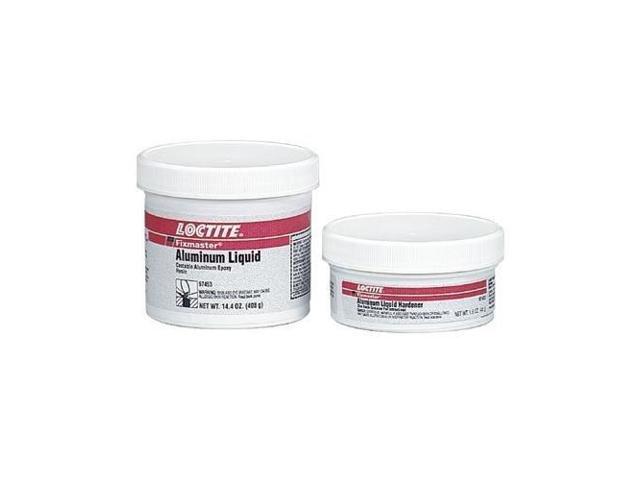
 |
229.99Buy!
$
$
Newegg.com
Delivery: to Redlands
Report
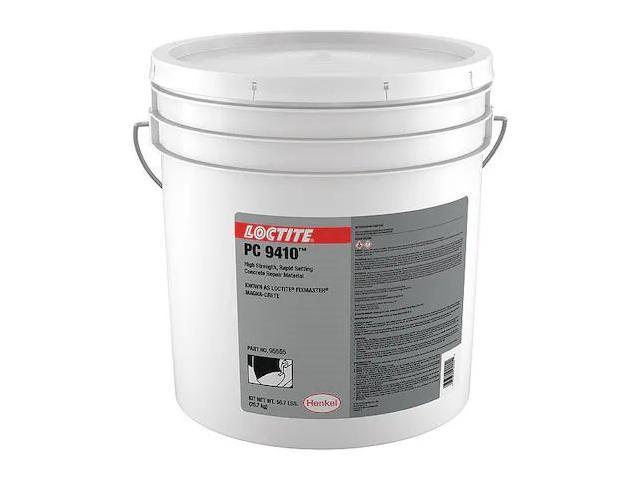
The brand for this item is LOCTITE This item ships free This item ships directly from Zoro
 |
239.24Buy!
$
$
Newegg.com
Delivery: to Redlands
Report
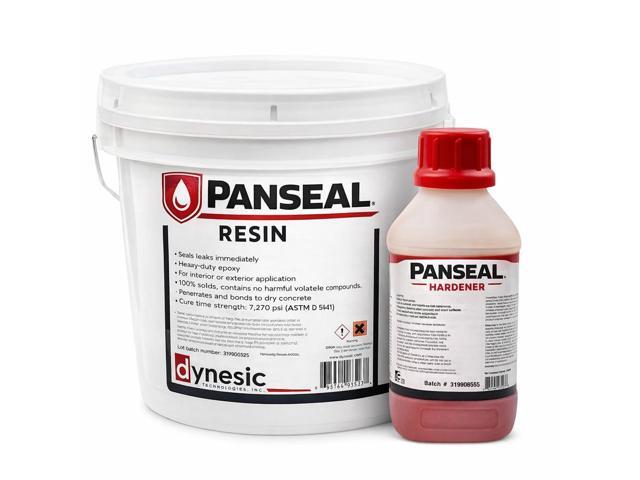
EXTREME ADHESION STRENGTH Industrial pull-off adhesion up to 2,750 PSI provides a permanent waterproof seal. An effective epoxy coating for concrete floors, metal surfaces, fiberglass, cracks, and dra more→in pan repairs. CURES UNDERWATER / IN WET CONDITIONS A genuine maintenance-gra
 |
263.24Buy!
$
$
Newegg.com
Delivery: to Redlands
Report
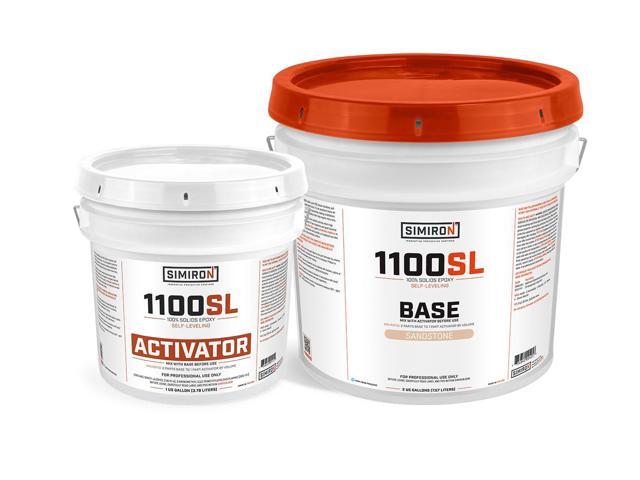
EPOXY FLOOR KIT COVERAGE: Engineered to cover 200-350 Sq/Ft per 3-gallon kit, based on porosity and desired thickness. It forms a protective concrete epoxy coating, restores existing epoxy-finish floo more→ring, or enhances the appearance of a dull concrete floor. The 1100SL Kit is a 100% solid 2-component self-leveling epoxy resin that's ideal for a wide variety of projects and skill levels. EASY TO USE: The 1100SL is excellent for residential, industrial, or commercial floor epoxy and countertops. T
 |
285.74Buy!
$
$
Newegg.com
Delivery: to Redlands
Report
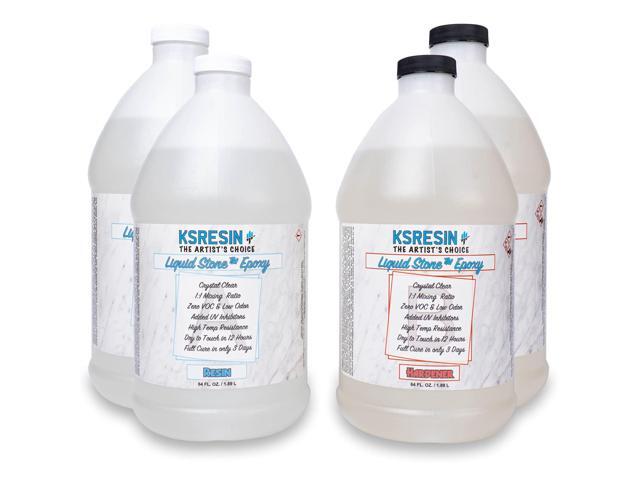
SCRATCH & BLEMISH RESISTANT: This liquid stone incorporates a wetting agent to assist in lowering surface tension. HIGH GLOSS FINISH: There's no need to invest additional time polishing your creation; more→the high gloss finish delivers a perfect, exhibition-read
 |
462.99Buy!
$
$
Newegg.com
Delivery: to Redlands
Report
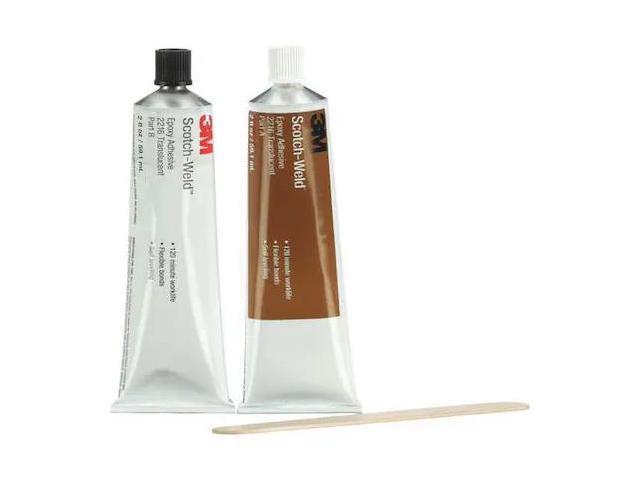
The brand for this item is 3M This item ships free This item ships directly from Zoro
 |
545.99Buy!
$
$
Newegg.com
Delivery: to Redlands
Report
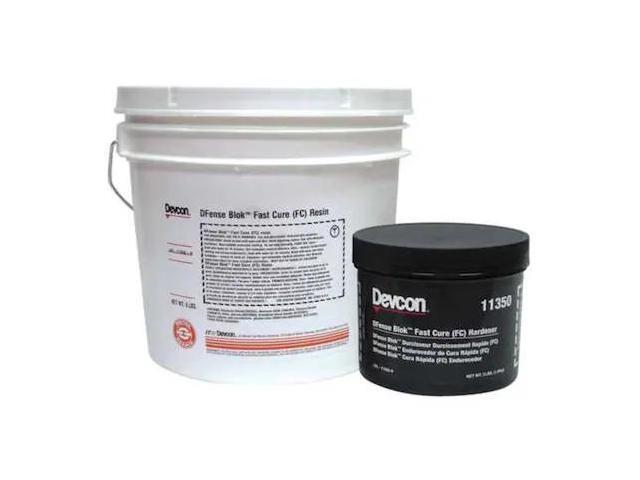
The brand for this item is DEVCON This item ships free This item ships directly from Zoro
 |
827.99Buy!
$
$
Newegg.com
Delivery: to Redlands
Report
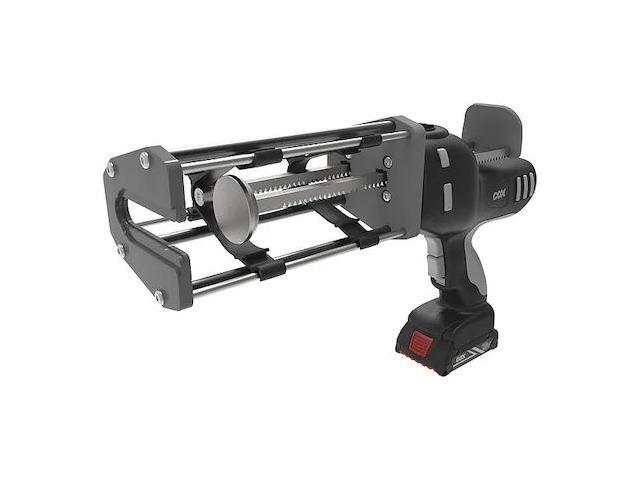
The brand for this item is COX This item ships free This item ships directly from Zoro
 |
890.99Buy!
$
$
Newegg.com
Delivery: to Redlands
Report
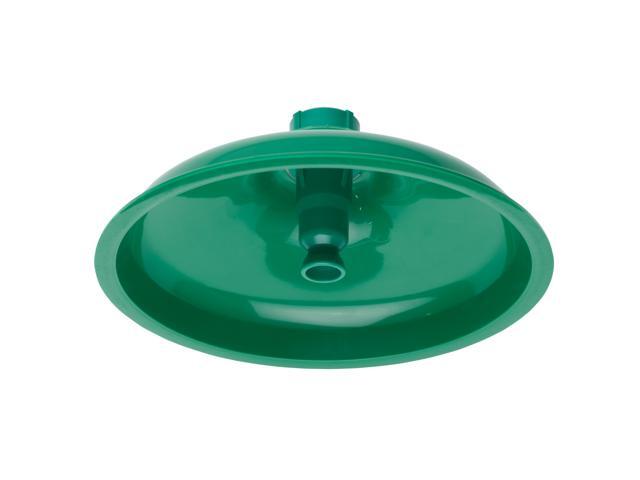
The brand for this item is 3M This item ships free This item ships directly from Zoro