
Comparison Viomi V2 Pro vs Roborock S5
Add to comparison | 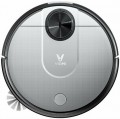 | 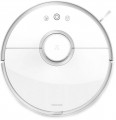 |
|---|---|---|
| Viomi V2 Pro | Roborock S5 | |
from $285.93 up to $410.91 | from $254.99 | |
| User reviews | ||
| TOP sellers | ||
Includes a 550 mL dry cleaning tank and a 300 mL dust and 200 mL water combination container. It differs from the model Viomi V2 in the presence of a combined container for dry and wet cleaning. | Wet cleaning. Washable HEPA filter. Overcoming thresholds up to 20 mm. Zoning cleaning using the application on the phone. Protection against jamming under furniture. | |
| Type | robot vacuum cleaner | robot vacuum cleaner |
| Cleaning | dry and wet side brush turbo brush wiping with a cloth | dry and wet side brush turbo brush wiping with a cloth |
| Water supply adjustment |  |  |
Robot vacuum cleaner | ||
| Suction power | 2150 Pa | 2000 Pa |
| Dust container capacity | 550 ml | 480 ml |
| Water tank capacity | 200 ml | 150 ml |
| Fine filter | HEPA | HEPA |
| Building a room map | rangefinder (laser) | rangefinder (laser) |
| Cleaning area limitation | via the app | via the app |
Features | ||
| Control via smartphone | | |
| Voice assistant | Google Assistant, Amazon Alexa | |
| Scheduled cleaning | | |
| Memory of several maps (floors) | | |
Battery | ||
| Battery capacity | 3.2 Ah | 5.2 Ah |
| Operating time | 150 min | 150 min |
| Charging time | 4 h | |
General | ||
| Cleaning area | 150 m² | 250 m² |
| Threshold clearance | 20 mm | 20 mm |
| Noise level | 76 dB | 67 dB |
| Dimensions (HxWxD) | 9.45x35x35 cm | 9.65x35x35.3 cm |
| Weight | 3.3 kg | 3.5 kg |
| Color | ||
| Added to E-Catalog | may 2019 | march 2018 |


Compare Viomi V2 Pro and Roborock S5
Viomi V2 Pro and Roborock S5 robot vacuum cleaners offer similar features, such as dry and wet cleaning, but they have their differences. The Viomi V2 Pro stands out with its combined dust and water container, making it more versatile for various types of cleaning. Users praise its reliability and ease of use, although some experience difficulties connecting to a smartphone. The Roborock S5, on the other hand, has slightly lower suction power (2000 Pa compared to 2150 Pa for Viomi) but offers more advanced navigation and app control, allowing users to set cleaning zones. Users highly appreciate the cleaning quality of the Roborock and its quiet operation. Overall, the Viomi V2 Pro may be preferable for those seeking versatility, while the Roborock S5 is suitable for those who value advanced navigation and ease of control.
You may be interested in
My comparisons
Viomi V2 Pro often compared


Roborock S5 often compared


Glossary
Water supply adjustment
A function that allows you to adjust the amount of liquid supplied to the robot vacuum cleaner’s pad, mops, or cleaning roller. A low level is suitable for laminate and parquet flooring, while a more intensive level is ideal for tiles and areas with noticeable dirt. Water flow adjustment helps prevent excessive floor wetting while improving wet cleaning efficiency.
Suction power
Measured in Pa, this indicator describes the robot vacuum cleaner's suction pressure: the higher it is, the easier it is for the device to pick up heavy debris and clean carpet pile. Values around 2,000–4,000 Pa are usually sufficient for regular cleaning of smooth floors, while 6,000–10,000 Pa and above are better suited for collecting hair, sand, and dirt from carpets or floor joints.
Dust container capacity
The dustbin capacity indicates how much dry debris fits in the robot vacuum’s built-in container before it needs to be emptied. Models with a 200–300 ml capacity are suitable for a small apartment and frequent cleaning cycles, while a 400–600 ml capacity is more convenient for larger areas, pets, or lots of hair. For robots with a self-emptying station, the size of the internal container is less important, as debris is automatically transferred to the docking station’s collection bin.
Water tank capacity
The tank capacity determines the water supply for moistening the pad, rotating mops, or cleaning roller. Compact tanks of around 200 ml are suitable for regular wiping of small areas, while 300–500 ml tanks allow fewer interruptions for refilling during cleaning.
Voice assistant
Voice assistant lets you control the robot vacuum with short commands through a compatible smart speaker, smartphone, or smart home system. You can use voice commands to start and stop cleaning, return the device to the docking station, and on some models select a room or operating mode. This feature is especially convenient when your phone is not within reach, but the set of available commands depends on the robot model and supported platform.
Memory of several maps (floors)
Multiple map memory allows the robot vacuum to save separate layouts for different floors or rooms. When the device is moved, it recognizes the required map and uses the already defined rooms, no-go zones, and cleaning settings. This feature is especially useful for multi-story homes, as it eliminates the need to rescan the space every time the robot is moved.
Battery capacity
Battery capacity indicates the amount of charge available to the robot vacuum for navigation, motor operation, brushes, and the mopping system. A higher-capacity battery can potentially provide longer runtime, but it does not allow the exact cleaning time to be determined without considering the device's power consumption. Operating time is more strongly affected by the selected mode, suction power, floor type, use of mopping pads, and frequency of returns to the docking station.
Charging time
Full charging cycle of the robot vacuum to restore the battery from the minimum level to 100%. The process usually takes several hours and depends on the battery capacity and charging system power. However, with regular returns to the base, this parameter rarely affects cleaning convenience.
Cleaning area
The cleaning area refers to the approximate room size the robot can cover on a single battery charge. In Eco mode, the device will cover more space than at maximum suction power or during intensive floor mopping. The value stated by the manufacturer is usually calculated for a relatively uncluttered room and may be lower in real conditions.