
Comparison Ibanez PF17ECE vs Ibanez PF15ECE
Add to comparison | 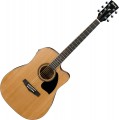 | 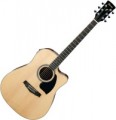 |
|---|---|---|
| Ibanez PF17ECE | Ibanez PF15ECE | |
| Outdated Product | from $189.99 | |
| TOP sellers | ||
Performance Series. Pickguard. 3 colour options. Case. "Weak" preamp. Basic set of strings. | ||
| Type | electroacoustic | electroacoustic |
| Number of strings | 6 | 6 |
| Pickup |  | |
Tone block | ||
| Type | active | active |
| Equalizer | | |
| Tuner | | |
Body | ||
| Size | 4/4 | 4/4 |
| Shape | dreadnought (western) | dreadnought (western) |
| Cutaway | | |
| Pickguard | | |
| Top deck | cedar | spruce |
| Bottom deck | mahogany | mahogany |
| Shell | mahogany | mahogany |
| Bridge | rosewood | rosewood |
Neck | ||
| Number of frets | 20 | 20 |
| Anchor | single | single |
| Scale | 25.6 " | 25.6 " |
| Neck material | mahogany | maple |
| Fretboard | rosewood | rosewood |
| Color | ||
| Added to E-Catalog | february 2017 | july 2016 |


Compare Ibanez PF17ECE and PF15ECE
You may be interested in
Ibanez PF15ECE often compared


Glossary
Top deck
The material from which the top of the guitar is made is the flat part of the body on which the bridge (see below) and the sound hole are located.
A wide variety of materials are found in modern guitars — from spruce, maple or cedar, which are familiar in our latitudes, to expensive mahogany and “exotics” like bubinga (“African rosewood”) or koa, which grows only in Hawaii. Each material has its own characteristics that affect the sound and other properties of the instrument (for example, appearance and durability). However, the sound of a guitar largely depends on a number of other factors besides the material — the type of instrument, the shape of the body, etc. Therefore, models made of similar materials may well sound noticeably different. In addition, note that expensive woods can be used solely for aesthetic purposes and have no advantages over cheaper materials.
In light of all this, we can say that the data on materials are more of a reference value, and when choosing, it is more likely to focus on more significant characteristics (for example, the same body shape), as well as practical data about the tool (reviews, reviews, audio recordings of the game etc.). Detailed data on materials may be required only by professional musicians, luthier masters, etc.; this information, if desired, can be found in special sources.
A wide variety of materials are found in modern guitars — from spruce, maple or cedar, which are familiar in our latitudes, to expensive mahogany and “exotics” like bubinga (“African rosewood”) or koa, which grows only in Hawaii. Each material has its own characteristics that affect the sound and other properties of the instrument (for example, appearance and durability). However, the sound of a guitar largely depends on a number of other factors besides the material — the type of instrument, the shape of the body, etc. Therefore, models made of similar materials may well sound noticeably different. In addition, note that expensive woods can be used solely for aesthetic purposes and have no advantages over cheaper materials.
In light of all this, we can say that the data on materials are more of a reference value, and when choosing, it is more likely to focus on more significant characteristics (for example, the same body shape), as well as practical data about the tool (reviews, reviews, audio recordings of the game etc.). Detailed data on materials may be required only by professional musicians, luthier masters, etc.; this information, if desired, can be found in special sources.