
Comparison Doppler Fiber Magic Superstrong vs Knirps A.200 Medium Duomatic
Add to comparison |  | 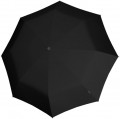 |
|---|---|---|
| Doppler Fiber Magic Superstrong | Knirps A.200 Medium Duomatic | |
| Outdated Product | Compare prices 1 | |
| TOP sellers | ||
| Type | folding | folding |
| Suitable for | man | unisex |
Specs | ||
| Anti-storm |  | |
| Mechanism | machine | machine |
| Frame material | aluminum | steel |
| Spoke material | fibreglass | fibreglass |
| Number of spokes | 8 pcs | 8 pcs |
| Dome diameter | 97 cm | 97 cm |
| Length (folded) | 28 cm | 28 cm |
| Dome material | pongee | polyester |
| Handle material | plastic | plastic |
| Handle shape | straight | straight |
| Clasp | hook-and-loop | |
| Weight | 380 g | 350 g |
| Color | ||
| Added to E-Catalog | september 2021 | may 2020 |



Compare Doppler Fiber Magic Superstrong and Knirps A.200 Medium Duomatic
Price comparison
You may be interested in
Knirps A.200 Medium Duomatic often compared


Glossary
Suitable for
The purpose determines the category of people for which the umbrella is designed.
— Male. Traditional men's umbrellas have a strict, discreet design, which usually goes well with a business style.
— Female. Umbrellas specially designed for women are usually designed to match, often with unusual colours, patterns, and the like.
— Children's. Children's umbrellas are distinguished primarily by their characteristic bright design with variegated colours; they can also carry drawings — for example, with popular cartoon or comic book characters. Also, many of these models are smaller than "adults" — otherwise it would be inconvenient for a child to use an umbrella.
— Unisex. Umbrellas without a pronounced "gender", equally well suited for both men and women. They can have a different design — from restrained to quite bright and catchy.
— Male. Traditional men's umbrellas have a strict, discreet design, which usually goes well with a business style.
— Female. Umbrellas specially designed for women are usually designed to match, often with unusual colours, patterns, and the like.
— Children's. Children's umbrellas are distinguished primarily by their characteristic bright design with variegated colours; they can also carry drawings — for example, with popular cartoon or comic book characters. Also, many of these models are smaller than "adults" — otherwise it would be inconvenient for a child to use an umbrella.
— Unisex. Umbrellas without a pronounced "gender", equally well suited for both men and women. They can have a different design — from restrained to quite bright and catchy.
Frame material
Material from which the umbrella frame is made. In this case, "frame" primarily refers to the central rod, although the ribs are often made of the same material if not specified otherwise (see "Rib Material").
— Steel. One of the most popular options among modern umbrellas. Steel offers good strength and elasticity. It's worth noting that different types and grades of this material can be used in umbrellas, so the actual characteristics of a specific steel frame are directly related to the price category of the product. Nevertheless, steel is used even in high-quality premium-class models. Among its "global" drawbacks is its rather considerable weight.
— Aluminum. Aluminum alloys used in umbrellas are noticeably lighter than steel but less durable. They can also have different characteristics, usually directly related to the price category of the respective model. However, in general, this material is considered less reliable and thus is mostly found in entry-level and mid-range umbrellas.
— Fiberglass. Fiberglass combines corrosion resistance, elasticity, and stable performance in cold conditions: in gusts of wind, such ribs spring back to give the canopy its shape without "bending memory," and they withstand moisture and salty mist without coatings.
— Carbon fiber. A carbon fiber frame provi...des maximum rigidity with minimal weight, precise maintenance of the canopy’s geometry, and resistance to moisture and salt mist. In gusty winds, such a frame sways less, quickly returns the canopy to its original position, and is therefore in demand in premium storm and golf umbrellas, as well as ultra-light travel models. The durability is directly dependent on the quality of the resin, the evenness of the coating, and the precision of the joints. Therefore, manufacturers use protective lacquer and UV stabilization; carbon is more sensitive to point impacts and stress concentrators, breaking "dry" without long warning bends.
— Wood. Wood has an attractive appearance but is weaker than metal. Therefore, it is mainly used as a design material in some cane umbrellas (see "Type")—even in such models, typically only the central rod is made of wood, while the other parts are metallic.
— Steel. One of the most popular options among modern umbrellas. Steel offers good strength and elasticity. It's worth noting that different types and grades of this material can be used in umbrellas, so the actual characteristics of a specific steel frame are directly related to the price category of the product. Nevertheless, steel is used even in high-quality premium-class models. Among its "global" drawbacks is its rather considerable weight.
— Aluminum. Aluminum alloys used in umbrellas are noticeably lighter than steel but less durable. They can also have different characteristics, usually directly related to the price category of the respective model. However, in general, this material is considered less reliable and thus is mostly found in entry-level and mid-range umbrellas.
— Fiberglass. Fiberglass combines corrosion resistance, elasticity, and stable performance in cold conditions: in gusts of wind, such ribs spring back to give the canopy its shape without "bending memory," and they withstand moisture and salty mist without coatings.
— Carbon fiber. A carbon fiber frame provi...des maximum rigidity with minimal weight, precise maintenance of the canopy’s geometry, and resistance to moisture and salt mist. In gusty winds, such a frame sways less, quickly returns the canopy to its original position, and is therefore in demand in premium storm and golf umbrellas, as well as ultra-light travel models. The durability is directly dependent on the quality of the resin, the evenness of the coating, and the precision of the joints. Therefore, manufacturers use protective lacquer and UV stabilization; carbon is more sensitive to point impacts and stress concentrators, breaking "dry" without long warning bends.
— Wood. Wood has an attractive appearance but is weaker than metal. Therefore, it is mainly used as a design material in some cane umbrellas (see "Type")—even in such models, typically only the central rod is made of wood, while the other parts are metallic.
Dome material
The material of the dome is a canopy stretched between the spokes of the umbrella.
— Polyester. Synthetic material, the most popular among modern umbrellas. It has good strength and density, as well as water-repellent properties (although in its pure form it still gets wet sooner or later); in addition, it is resistant to temperature extremes and ultraviolet radiation. It is also worth noting that various additives can be used in polyester domes, which can significantly change the appearance and properties of the fabric — for example, it can easily be given a resemblance to silk or satin, provide additional water-repellent properties, etc. Therefore, we can say that such umbrellas are very diverse, and the properties of the dome largely depend on the price category of the product.
— Nylon. Synthetic material, somewhat similar to polyester, but cheaper — and in every sense: it is inexpensive, but it loses in a number of characteristics. In particular, nylon is not so strong and reliable, besides it is less pleasant to the touch, and after drying it can “sit down”. It is used mainly in low-cost models of umbrellas.
— Eponge. Cotton or silk fabric, characterized by an original surface texture — it resembles a sponge (hence the name — from the French eponge). However, unlike a regular sponge, pongee practically does not absorb moisture — on the contrary, it has excellent water-repellent properties and dries quickly. At the same time, the fabric has a...n original appearance, is pleasant to the touch, and its price is low, which makes it possible to use this material even in relatively inexpensive umbrellas.
— Silk. Silk provides the product with a luxurious appearance, but loses to other materials in terms of strength, and also gets very wet. As a result, this material is usually used in umbrellas from the sun (see "Application"), and among the "rain" is almost never found.
— PVC film. Distinctive features of a film based on polyvinyl chloride (PVC) are complete imperviousness, as well as transparency. This allows you to create on its basis not only classic umbrellas, but also the so-called birdcage ("birdcage") — models with a high dome, covering not only the head, but also the shoulders.
— Jacquard. Waterproof fabric, usually synthetic, having a so-called jacquard weave. Due to this, a specific texture pattern is visible on the surface of the dome, giving it an original appearance. On the other hand, jacquard is quite difficult to manufacture, and therefore expensive.
— Satin. Cotton or silk fabric with an additional water-repellent impregnation, having a satin weave. This weave gives a rather dense surface with a characteristic sheen, giving it a pleasant appearance. Satin is used mainly in design models of umbrellas, on the domes of which various patterns are applied.
— Polyamide. Polyamides is the general name for a number of synthetic fibers, in particular, capron and nylon (see above). They have good water-repellent properties, but the performance characteristics (durability, resistance to stretching, etc.) can be different — depending on the price category of the umbrella.
— Polyester. Synthetic material, the most popular among modern umbrellas. It has good strength and density, as well as water-repellent properties (although in its pure form it still gets wet sooner or later); in addition, it is resistant to temperature extremes and ultraviolet radiation. It is also worth noting that various additives can be used in polyester domes, which can significantly change the appearance and properties of the fabric — for example, it can easily be given a resemblance to silk or satin, provide additional water-repellent properties, etc. Therefore, we can say that such umbrellas are very diverse, and the properties of the dome largely depend on the price category of the product.
— Nylon. Synthetic material, somewhat similar to polyester, but cheaper — and in every sense: it is inexpensive, but it loses in a number of characteristics. In particular, nylon is not so strong and reliable, besides it is less pleasant to the touch, and after drying it can “sit down”. It is used mainly in low-cost models of umbrellas.
— Eponge. Cotton or silk fabric, characterized by an original surface texture — it resembles a sponge (hence the name — from the French eponge). However, unlike a regular sponge, pongee practically does not absorb moisture — on the contrary, it has excellent water-repellent properties and dries quickly. At the same time, the fabric has a...n original appearance, is pleasant to the touch, and its price is low, which makes it possible to use this material even in relatively inexpensive umbrellas.
— Silk. Silk provides the product with a luxurious appearance, but loses to other materials in terms of strength, and also gets very wet. As a result, this material is usually used in umbrellas from the sun (see "Application"), and among the "rain" is almost never found.
— PVC film. Distinctive features of a film based on polyvinyl chloride (PVC) are complete imperviousness, as well as transparency. This allows you to create on its basis not only classic umbrellas, but also the so-called birdcage ("birdcage") — models with a high dome, covering not only the head, but also the shoulders.
— Jacquard. Waterproof fabric, usually synthetic, having a so-called jacquard weave. Due to this, a specific texture pattern is visible on the surface of the dome, giving it an original appearance. On the other hand, jacquard is quite difficult to manufacture, and therefore expensive.
— Satin. Cotton or silk fabric with an additional water-repellent impregnation, having a satin weave. This weave gives a rather dense surface with a characteristic sheen, giving it a pleasant appearance. Satin is used mainly in design models of umbrellas, on the domes of which various patterns are applied.
— Polyamide. Polyamides is the general name for a number of synthetic fibers, in particular, capron and nylon (see above). They have good water-repellent properties, but the performance characteristics (durability, resistance to stretching, etc.) can be different — depending on the price category of the umbrella.
Clasp
The type of clasp installed on the umbrella strap.
We are talking about a strap that tightly secures the dome in the closed position. Most often, Velcro or a button is used as a fastener, and in some models a button is used. Here is a description of each option:
- Velcro. The most popular type of fastener these days. Velcro is inexpensive, extremely compact (in particular, it does not protrude above the strap, unlike buttons), and is also easy to use - so they can be found in all price categories of umbrellas. The main disadvantage of such devices is that as they wear out, their effectiveness drops noticeably - to the point that at one point the Velcro stops holding it at all. However, the service life of such fasteners is still usually quite long, and worn-out Velcro can be replaced without any problems or costs in a workshop or even on your own.
- Button. The clasp is in the form of a characteristic metal button, like clothing buttons. Such devices are much more reliable and durable than Velcro, but they are more expensive and somewhat less convenient: unfastening the button requires a certain amount of force, and fastening it also requires greater precision. In addition, not all users like the part that noticeably protrudes from the strap when the umbrella is closed. In light of this, buttons are used much less often than Velcro, and mainly in models of the middle and to...p price categories (with rare exceptions).
- Button. An ordinary button that, when fastened, is threaded into a loop. From a practical point of view, such fasteners are noticeably inferior to Velcro and buttons - they are not as reliable, and they are not particularly convenient. Therefore, buttons can be found extremely rarely in our time - in individual cane umbrellas in the “retro” style, where such a fastener is used primarily as a characteristic design element.
We are talking about a strap that tightly secures the dome in the closed position. Most often, Velcro or a button is used as a fastener, and in some models a button is used. Here is a description of each option:
- Velcro. The most popular type of fastener these days. Velcro is inexpensive, extremely compact (in particular, it does not protrude above the strap, unlike buttons), and is also easy to use - so they can be found in all price categories of umbrellas. The main disadvantage of such devices is that as they wear out, their effectiveness drops noticeably - to the point that at one point the Velcro stops holding it at all. However, the service life of such fasteners is still usually quite long, and worn-out Velcro can be replaced without any problems or costs in a workshop or even on your own.
- Button. The clasp is in the form of a characteristic metal button, like clothing buttons. Such devices are much more reliable and durable than Velcro, but they are more expensive and somewhat less convenient: unfastening the button requires a certain amount of force, and fastening it also requires greater precision. In addition, not all users like the part that noticeably protrudes from the strap when the umbrella is closed. In light of this, buttons are used much less often than Velcro, and mainly in models of the middle and to...p price categories (with rare exceptions).
- Button. An ordinary button that, when fastened, is threaded into a loop. From a practical point of view, such fasteners are noticeably inferior to Velcro and buttons - they are not as reliable, and they are not particularly convenient. Therefore, buttons can be found extremely rarely in our time - in individual cane umbrellas in the “retro” style, where such a fastener is used primarily as a characteristic design element.
Weight
Total weight of the umbrella.
All other things being equal, lighter umbrellas are more convenient to carry (both in the open and closed positions). On the other hand, such products are less reliable and/or more expensive than relatively heavy models of similar design and size. We also note that in some cases, significant weight can be an advantage. For example, in a strong wind, a massive umbrella does not “tear from your hands” as much, and when released, it does not fly as far as a lighter one.
All other things being equal, lighter umbrellas are more convenient to carry (both in the open and closed positions). On the other hand, such products are less reliable and/or more expensive than relatively heavy models of similar design and size. We also note that in some cases, significant weight can be an advantage. For example, in a strong wind, a massive umbrella does not “tear from your hands” as much, and when released, it does not fly as far as a lighter one.