
Comparison Cort X200 vs Ibanez GRG170DX
Add to comparison |  | 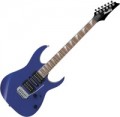 |
|---|---|---|
| Cort X200 | Ibanez GRG170DX | |
| Outdated Product | from $463.64 | |
| TOP sellers | ||
| Type | electric guitar | electric guitar |
| Number of strings | 6 | 6 |
| Pickups | passive | active |
| Pickup diagram | H-S-H | H-S-H |
| Coil cutoff |  |  |
Tone block | ||
| Type | passive | passive |
| Volume controls | 1 | 1 |
| Tone controls | 1 | 1 |
| Pickup switch | 5 position | 5 position |
Body | ||
| Type | monolith | monolith |
| Size | 4/4 | 4/4 |
| Shape | Superstrat | Superstrat |
| Cutaway | double | double |
| Pickguard | | |
| Material | poplar | mahogany |
| Bridge | Vintage Tremolo | Vintage Tremolo |
| Through string attachment | | |
Neck | ||
| Mount type | bolted | bolted |
| Number of frets | 24 | 24 |
| Neck profile | U | C |
| Nut width | 43 mm | 43 mm |
| Fretboard radius | 15.75 " | 15.75 " |
| Anchor | single | single |
| Scale | 25.5 " | 25.5 " |
| Pegs | closed | closed |
| Neck material | maple | maple |
| Fretboard | jatoba | rosewood |
| Color | ||
| Added to E-Catalog | march 2025 | september 2016 |


Compare Cort X200 and Ibanez GRG170DX
You may be interested in
My comparisons
Cort X200 often compared


Ibanez GRG170DX often compared


Glossary
Pickups
Type of pickups used in electric guitar.
— Passive. Passive pickups are called pickups that do not use their own power supply. Such devices produce a weak signal, so guitars with passive pickups require an external preamp. In terms of sound, many musicians consider passive pickups to be more "natural" and dynamic, but this point is largely subjective. The unequivocal advantage of this option is the extensive features for experimenting with the technique of sound extraction. In addition, passive modules are much simpler and cheaper than active modules, and they do not require their own power supplies. On the other hand, these pickups are subject to feedback, which can be problematic in some situations. Yes, and sensitivity to pickups (and, accordingly, the likelihood of interference) they are significantly higher.
— Active. Pickups supplemented with built-in preamps to increase the level of the signal fed to the output of the instrument. Thanks to the additional amplification, many models have fewer coil turns than passive models, which reduces interference and provides a cleaner and more balanced signal. At the same time, the active module retains the upper frequencies better; this gives the effect of "brightness", "transparency" of the sound. However there is an opinion that this sound turns out to be unnatural, but this moment, again, is largely subjective. But from the unequivocal disad...vantages of active pickups, one can note the need for their own power source. One of the most popular options for this is a 9V battery, which is installed in a special compartment in the body of the guitar.
— Passive. Passive pickups are called pickups that do not use their own power supply. Such devices produce a weak signal, so guitars with passive pickups require an external preamp. In terms of sound, many musicians consider passive pickups to be more "natural" and dynamic, but this point is largely subjective. The unequivocal advantage of this option is the extensive features for experimenting with the technique of sound extraction. In addition, passive modules are much simpler and cheaper than active modules, and they do not require their own power supplies. On the other hand, these pickups are subject to feedback, which can be problematic in some situations. Yes, and sensitivity to pickups (and, accordingly, the likelihood of interference) they are significantly higher.
— Active. Pickups supplemented with built-in preamps to increase the level of the signal fed to the output of the instrument. Thanks to the additional amplification, many models have fewer coil turns than passive models, which reduces interference and provides a cleaner and more balanced signal. At the same time, the active module retains the upper frequencies better; this gives the effect of "brightness", "transparency" of the sound. However there is an opinion that this sound turns out to be unnatural, but this moment, again, is largely subjective. But from the unequivocal disad...vantages of active pickups, one can note the need for their own power source. One of the most popular options for this is a 9V battery, which is installed in a special compartment in the body of the guitar.
Coil cutoff
The ability to disable one of the coils in a humbucking pickup.
Pickups with this feature are, in fact, universal modules that can operate in both humbucking and single-coil modes. See "Pickup Diagram" for details on both. And the ability to switch between these modes allows the musician to change the colour of the sound without resorting to external gadgets or changing instruments. For example, for a dynamic composition with rich overdrive, it is more convenient to use a classic humbucker, and for a slow, lyrical melody, just move the switch and you can enjoy all the advantages of a single-coil.
Pickups with this feature are, in fact, universal modules that can operate in both humbucking and single-coil modes. See "Pickup Diagram" for details on both. And the ability to switch between these modes allows the musician to change the colour of the sound without resorting to external gadgets or changing instruments. For example, for a dynamic composition with rich overdrive, it is more convenient to use a classic humbucker, and for a slow, lyrical melody, just move the switch and you can enjoy all the advantages of a single-coil.
Pickguard
The presence of a protective lining (pickguard) on the body of the guitar.
Such an overlay is located on the upper deck, most often made of durable plastic and differs markedly in colour, due to which it is clearly visible. Its main purpose is to protect the soundboard surface from pick strikes (for example, when playing with dynamic fighting), which could damage the varnished wooden surface. The specific shape and size of the fingerboard may vary, but anyway, it covers at least the surface below the strings (when looking at the guitar in the working position), and sometimes under the strings and even above them.
Such an overlay is located on the upper deck, most often made of durable plastic and differs markedly in colour, due to which it is clearly visible. Its main purpose is to protect the soundboard surface from pick strikes (for example, when playing with dynamic fighting), which could damage the varnished wooden surface. The specific shape and size of the fingerboard may vary, but anyway, it covers at least the surface below the strings (when looking at the guitar in the working position), and sometimes under the strings and even above them.
Material
The material from which the body of an electric guitar is made. For models with cutouts (semi-acoustic, see "Type"), in this case, only the material of the back deck and sides can be taken into account, and data on the top deck is given separately (for more details, see "Deck Cover Material").
Now on the market there are cases of such trees: red, maple, agatis, ash, alder.
It makes no sense to dwell on each of the materials found in modern electric guitars. Their variety is very large, however, unlike acoustic guitars, the body in this case does not play such a significant role in shaping the sound, and its material has a relatively small effect on the acoustic properties of the instrument (although the exact degree of such influence is a moot point). If you wish, you can find detailed data on a particular material in special sources, but in fact it makes sense to look primarily at the appearance of the instrument and its price category.
Now on the market there are cases of such trees: red, maple, agatis, ash, alder.
It makes no sense to dwell on each of the materials found in modern electric guitars. Their variety is very large, however, unlike acoustic guitars, the body in this case does not play such a significant role in shaping the sound, and its material has a relatively small effect on the acoustic properties of the instrument (although the exact degree of such influence is a moot point). If you wish, you can find detailed data on a particular material in special sources, but in fact it makes sense to look primarily at the appearance of the instrument and its price category.
Through string attachment
The presence in the electric guitar of a system of through fastening of strings.
In the classic through fastening, the body of the instrument itself plays the role of a stop bar — holes are made in it, in which the strings are fixed (from the side of the bridge). The advantage of this design is the improved contact of the strings with the body, which allows you to achieve good sustain. However, in tremolo machines (see "Bridge") there is another kind of through fasteners — when the holes are located not on the body, but on the bridge; in particular, this option is typical for Vintage Tremolo machines. In such cases, the through fastening itself is only a design feature of the bridge, and the contact of the strings with the body depends on the features of the fastening of the "machine" on the body and can be different.
In the classic through fastening, the body of the instrument itself plays the role of a stop bar — holes are made in it, in which the strings are fixed (from the side of the bridge). The advantage of this design is the improved contact of the strings with the body, which allows you to achieve good sustain. However, in tremolo machines (see "Bridge") there is another kind of through fasteners — when the holes are located not on the body, but on the bridge; in particular, this option is typical for Vintage Tremolo machines. In such cases, the through fastening itself is only a design feature of the bridge, and the contact of the strings with the body depends on the features of the fastening of the "machine" on the body and can be different.
Neck profile
Profile of a fretboard mounted on an electric guitar.
The profile of the neck is called its shape in section, more precisely, the shape of the back of the neck. This parameter practically does not affect the sound of the guitar, but it directly affects the convenience of playing. Ideally, the neck should “fill” the hand, but not be too large — otherwise it will not be possible to clasp it to the right extent.
Profiles are denoted by the letters C, D, V and U — depending on which letter the neck resembles in the section. Profile D is the flattest, C is slightly more convex, with almost uniform curvature along the entire length, U is more voluminous, with a wider profile in the area of the lining, and the V profile in its classic form has the form of an angle with a rounded top. There are also modifications of these options — for example, "thin", which provides for a reduced profile thickness, or "modern", with slightly improved (theoretically) ergonomics.
The most popular profile types are C, U and their "modern" (modern) modifications. The C profile is almost semi-circular, the U profile is more voluminous, at the fingerboard its edges are almost parallel and only closer to the back of the neck are sharply rounded. The terms modern C and modern U refer to various improved versions of these profiles, their f...orm may be different.
In fact, the choice of neck profile depends solely on the guitarist's personal preferences, the characteristics of his hands and his preferred playing technique. Thus, there is no "perfect" profile shape — in each case, the optimal choice will be different. The perfect option is to try several types of profile "live", decide which one will be more convenient, and choose an instrument with a neck of the same or similar profile shape.
The profile of the neck is called its shape in section, more precisely, the shape of the back of the neck. This parameter practically does not affect the sound of the guitar, but it directly affects the convenience of playing. Ideally, the neck should “fill” the hand, but not be too large — otherwise it will not be possible to clasp it to the right extent.
Profiles are denoted by the letters C, D, V and U — depending on which letter the neck resembles in the section. Profile D is the flattest, C is slightly more convex, with almost uniform curvature along the entire length, U is more voluminous, with a wider profile in the area of the lining, and the V profile in its classic form has the form of an angle with a rounded top. There are also modifications of these options — for example, "thin", which provides for a reduced profile thickness, or "modern", with slightly improved (theoretically) ergonomics.
The most popular profile types are C, U and their "modern" (modern) modifications. The C profile is almost semi-circular, the U profile is more voluminous, at the fingerboard its edges are almost parallel and only closer to the back of the neck are sharply rounded. The terms modern C and modern U refer to various improved versions of these profiles, their f...orm may be different.
In fact, the choice of neck profile depends solely on the guitarist's personal preferences, the characteristics of his hands and his preferred playing technique. Thus, there is no "perfect" profile shape — in each case, the optimal choice will be different. The perfect option is to try several types of profile "live", decide which one will be more convenient, and choose an instrument with a neck of the same or similar profile shape.
Fretboard
The material from which the fretboard of an electric guitar is made.
The fretboard is placed under the strings, where the strings are pressed when played. The need to use overlays is due to the fact that the types of wood from which the fingerboard itself is made are often not hard enough, and dents could occur on their surface from constant contact with the strings. Accordingly, the overlays are made of a harder material that retains the shape of the surface even after repeated pressing of the strings. As such a material, both special types of wood ( ebony, rosewood) and high-quality phenolic polymers can be used.
In general, the quality of the fingerboard is usually quite consistent with the price category of the instrument, but it hardly makes sense to dwell on the detailed characteristics of each material (they are not so critical for the normal use of an electric guitar). We only note that the material of the overlay directly affects the appearance of the instrument.
The fretboard is placed under the strings, where the strings are pressed when played. The need to use overlays is due to the fact that the types of wood from which the fingerboard itself is made are often not hard enough, and dents could occur on their surface from constant contact with the strings. Accordingly, the overlays are made of a harder material that retains the shape of the surface even after repeated pressing of the strings. As such a material, both special types of wood ( ebony, rosewood) and high-quality phenolic polymers can be used.
In general, the quality of the fingerboard is usually quite consistent with the price category of the instrument, but it hardly makes sense to dwell on the detailed characteristics of each material (they are not so critical for the normal use of an electric guitar). We only note that the material of the overlay directly affects the appearance of the instrument.