
Comparison FAWORYT GTR44 vs FAWORYT GTR 2844
Add to comparison |  | 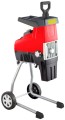 |
|---|---|---|
| FAWORYT GTR44 | FAWORYT GTR 2844 | |
| Outdated Product | Outdated Product | |
| TOP sellers | ||
Cup holder | ||
| Shredding | branches and leaves | branches only |
| Motor type | electric (mains) | electric (mains) |
| Voltage | 230 В | 230 В |
Specs | ||
| Shredding system | roller | roller |
| Max. shredded material diameter | 44 mm | 44 mm |
| Shredder speed | 60 rpm | |
| Collector type | soft | soft |
| Features | pusher reverse system | automatic feed pusher reverse system |
| Motor power | 2800 W | 2800 W |
| Overload protection |  |  |
General | ||
| Noise level | 92 dB | 92 dB |
| Transporting wheels | | |
| Material | plastic | plastic |
| Weight | 17 kg | 17 kg |
| Added to E-Catalog | march 2024 | may 2020 |


Compare FAWORYT GTR44 and GTR 2844
You may be interested in
FAWORYT GTR 2844 often compared


Glossary
Shredding
Type of materials for which the shredder was originally designed.
— Leaves only. In this case, we mean shredders designed for all types of “soft” and wet garden waste: leaves themselves, thick stems of herbaceous plants, freshly cut branches of small thickness, etc. Typically, these models use a knife or line chopping system (see below). Many units for this purpose can cope with coarser dry waste, but this mode of operation is still not recommended, because. it increases the wear of cutting elements, leading to rapid blunting and failure.
— Branches only. Shredders designed to work with coarse materials — primarily large dry branches with a thickness of several tens of millimetres (for more details, see "Maximum diameter of shredded material"). Usually, roller chopping systems are used for such work (see below). Aggregates of this type without much difficulty "eat" and medium-sized soft debris, however, the quality of its processing is much lower than in specialized models for leaves. Therefore, it hardly makes sense to use this type of shredders for "non-native" material.
— Branches and leaves. Models that process both types of garbage described above with equal efficiency — both soft (leaves, freshly cut thin branches) and hard (dry thick branches). Some models have separate modes of operation for both, while others have separate holes for hard...and soft materials (see Features). Anyway, such shredders are the most versatile, however, their cost is higher than that of specialized ones.
— Leaves only. In this case, we mean shredders designed for all types of “soft” and wet garden waste: leaves themselves, thick stems of herbaceous plants, freshly cut branches of small thickness, etc. Typically, these models use a knife or line chopping system (see below). Many units for this purpose can cope with coarser dry waste, but this mode of operation is still not recommended, because. it increases the wear of cutting elements, leading to rapid blunting and failure.
— Branches only. Shredders designed to work with coarse materials — primarily large dry branches with a thickness of several tens of millimetres (for more details, see "Maximum diameter of shredded material"). Usually, roller chopping systems are used for such work (see below). Aggregates of this type without much difficulty "eat" and medium-sized soft debris, however, the quality of its processing is much lower than in specialized models for leaves. Therefore, it hardly makes sense to use this type of shredders for "non-native" material.
— Branches and leaves. Models that process both types of garbage described above with equal efficiency — both soft (leaves, freshly cut thin branches) and hard (dry thick branches). Some models have separate modes of operation for both, while others have separate holes for hard...and soft materials (see Features). Anyway, such shredders are the most versatile, however, their cost is higher than that of specialized ones.
Shredder speed
The speed of rotation of the cutting tool of the chopper (see "Crushing system"). Variable speed models (see below) usually have a maximum RPM value.
In general, the general pattern is as follows: with equal engine power, the higher the speed, the lower the torque (see below), and vice versa. In addition, high speed improves performance (see "Bandwidth"). At the same time, this parameter in most cases is more of a reference value than a practically significant one: manufacturers select the rotation speed in such a way that it provides the claimed throughput and at the same time maintains the torque at a sufficient level for efficient processing of materials that were originally calculated design. Therefore, in some models, revolutions may not be indicated at all, and when choosing, it is worth focus on moments that are closer to practice.
In general, the general pattern is as follows: with equal engine power, the higher the speed, the lower the torque (see below), and vice versa. In addition, high speed improves performance (see "Bandwidth"). At the same time, this parameter in most cases is more of a reference value than a practically significant one: manufacturers select the rotation speed in such a way that it provides the claimed throughput and at the same time maintains the torque at a sufficient level for efficient processing of materials that were originally calculated design. Therefore, in some models, revolutions may not be indicated at all, and when choosing, it is worth focus on moments that are closer to practice.
Features
— Auto feed. Autofeed refers to all systems that somehow ensure the "pulling" of debris into the working mechanism of the unit. Roller chopping systems (see above) by definition have this feature; in other types of shredders, additional mechanisms may be provided specifically for automatic feeding.
— Pusher. The presence of a pusher in the design or delivery set of the unit. The pusher is a device that allows you to manually push the garbage to the working mechanism of the grinder; such devices are specially adapted to the shape and design of the receiving chamber, therefore, when used, they are more efficient and at the same time safer than various improvised means. The pusher can be useful both in the absence of automatic feed and in its presence (see above): it happens that debris gets stuck “on the way” to the tightening mechanism, which requires additional measures from the operator.
— Dual chamber receiver. The presence in the design of the chopper of the receiver, which has two separate chambers. Each of these chambers is designed for its own type of garbage; at the same time, the chopper itself can be both universal and specialized, for branches (see "Chopping"). In the first case, different chambers are designed for different types of debris, in the second — for branches of different thicknesses. Anyway, the dual-chamber receiver simplifies the wo...rk with the universal unit — it reduces the risk of confusing modes for different materials.
— Funnel for foliage. The presence of a special funnel for collecting foliage in the chopper design. Such a funnel usually has the form of a characteristic wide bell, mounted on a swivel mount and laid on the ground during use. In such a socket, as in a scoop, you can sweep the leaves collected with a rake or broom — it's easier and faster than loading them into the chopper with your hands.
— Reverse system. The presence of a reverse function in the chopper design. This function allows you to run the working nozzle in the opposite direction, and its use may vary depending on the chopper model. So, in models with roller shredding systems (see above), the reverse allows you to “spit out” a branch that is too thick or hard and release the jammed mechanism, and in some universal devices (see “Chipping”), by switching the direction, you can choose between modes for different types of debris .
— Pusher. The presence of a pusher in the design or delivery set of the unit. The pusher is a device that allows you to manually push the garbage to the working mechanism of the grinder; such devices are specially adapted to the shape and design of the receiving chamber, therefore, when used, they are more efficient and at the same time safer than various improvised means. The pusher can be useful both in the absence of automatic feed and in its presence (see above): it happens that debris gets stuck “on the way” to the tightening mechanism, which requires additional measures from the operator.
— Dual chamber receiver. The presence in the design of the chopper of the receiver, which has two separate chambers. Each of these chambers is designed for its own type of garbage; at the same time, the chopper itself can be both universal and specialized, for branches (see "Chopping"). In the first case, different chambers are designed for different types of debris, in the second — for branches of different thicknesses. Anyway, the dual-chamber receiver simplifies the wo...rk with the universal unit — it reduces the risk of confusing modes for different materials.
— Funnel for foliage. The presence of a special funnel for collecting foliage in the chopper design. Such a funnel usually has the form of a characteristic wide bell, mounted on a swivel mount and laid on the ground during use. In such a socket, as in a scoop, you can sweep the leaves collected with a rake or broom — it's easier and faster than loading them into the chopper with your hands.
— Reverse system. The presence of a reverse function in the chopper design. This function allows you to run the working nozzle in the opposite direction, and its use may vary depending on the chopper model. So, in models with roller shredding systems (see above), the reverse allows you to “spit out” a branch that is too thick or hard and release the jammed mechanism, and in some universal devices (see “Chipping”), by switching the direction, you can choose between modes for different types of debris .
Overload protection
Availability of protection against an overload in a design of a grinder.
Overload is a critical increase in the load on the working mechanism and, accordingly, the engine of the device. Such a situation may arise, for example, when too large or solid debris (or too many “regular” materials) enters the unit; at best, its consequences are limited to increased wear, at worst, an accident can occur. The protection system prevents such troubles by shutting down the motor (or the drive to the grinding system) in the event of an overload. Of course, you can also turn off the unit manually — however, automation is more reliable, since it constantly monitors the status of the device and reacts almost instantly.
Overload is a critical increase in the load on the working mechanism and, accordingly, the engine of the device. Such a situation may arise, for example, when too large or solid debris (or too many “regular” materials) enters the unit; at best, its consequences are limited to increased wear, at worst, an accident can occur. The protection system prevents such troubles by shutting down the motor (or the drive to the grinding system) in the event of an overload. Of course, you can also turn off the unit manually — however, automation is more reliable, since it constantly monitors the status of the device and reacts almost instantly.