
Printer Parts Kodak
prices on 17 modelsWhen you make a purchase through links on our site, we may receive a affiliate commission.
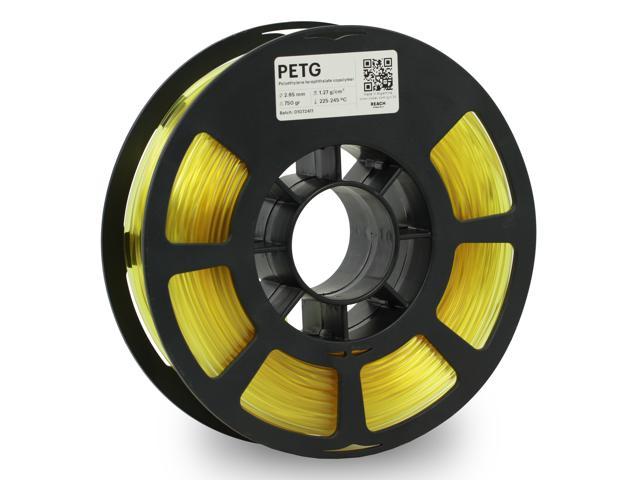 | Easy to print Strong and temperature resistant Food-safe Main application: Practical applications including food packaging Printing Temperature: 225 - 250 ?C Print bed temperature: 70-90?c |  |
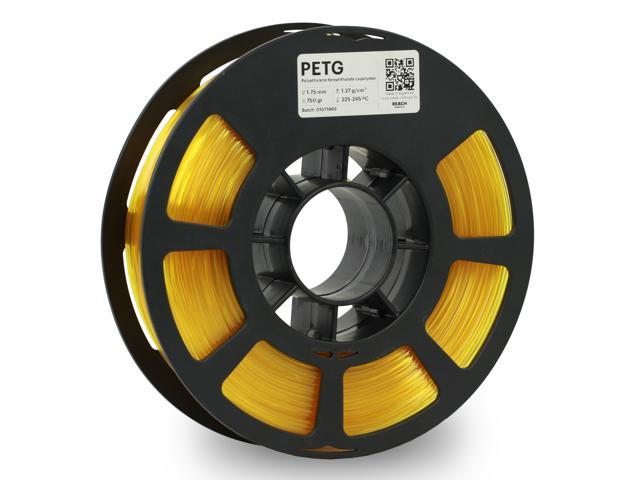 | Easy to print Strong and temperature resistant Food-safe Main application: Practical applications including food packaging Printing Temperature: 225 - 250 ?C Print bed temperature: 70-90?c | |
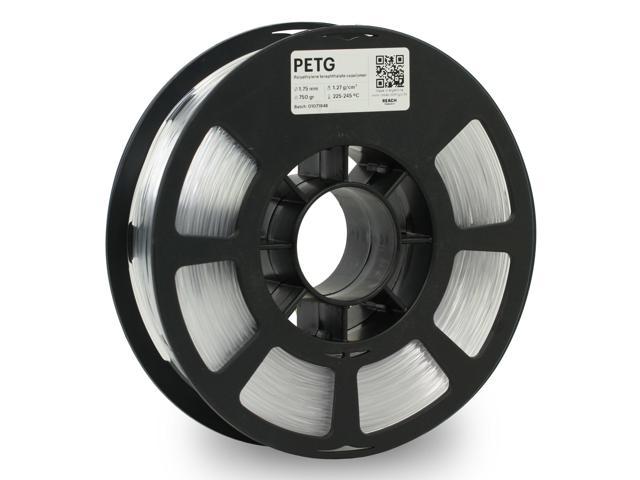 | Easy to print Strong and temperature resistant Food-safe Main application: Practical applications including food packaging Printing Temperature: 225 - 250 ?C Print bed temperature: 70-90?c | |
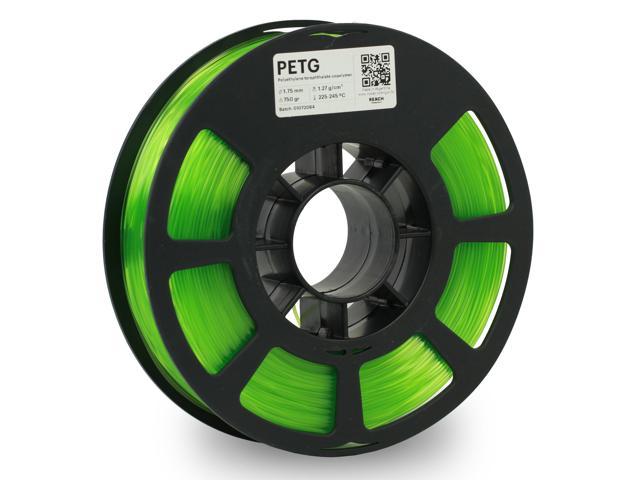 | Easy to print Strong and temperature resistant Food-safe Main application: Practical applications including food packaging Printing Temperature: 225 - 250 ?C Print bed temperature: 70-90?c | |
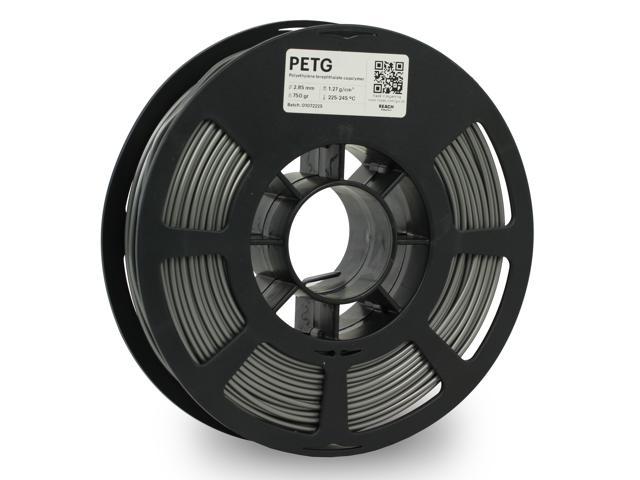 | Easy to print Strong and temperature resistant Food-safe Main application: Practical applications including food packaging Printing Temperature: 225 - 250 ?C Print bed temperature: 70-90?c | |
You may be interested in
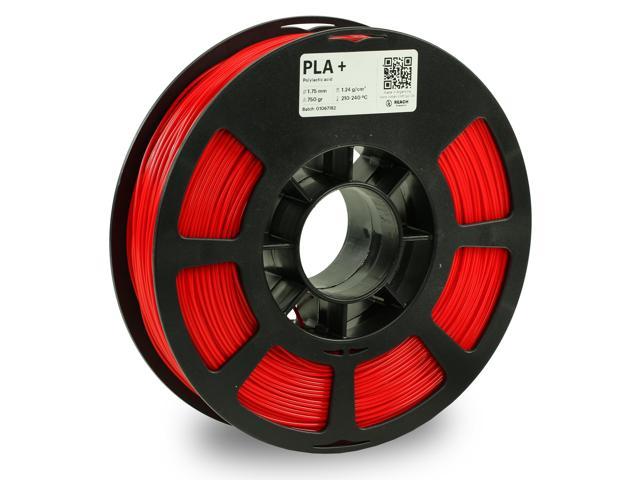 | Perfect combination of ease of use and strength Main application: concept modeling Filament Diameter: 1.75mm (+/- 0.02mm) Print temperature: 210-240?C. Print bed temperature (optional): 50-70?C Tips: post-annealing at 80-130?C can be used to promote crystallization and improve the part's heat deflection temperature | |
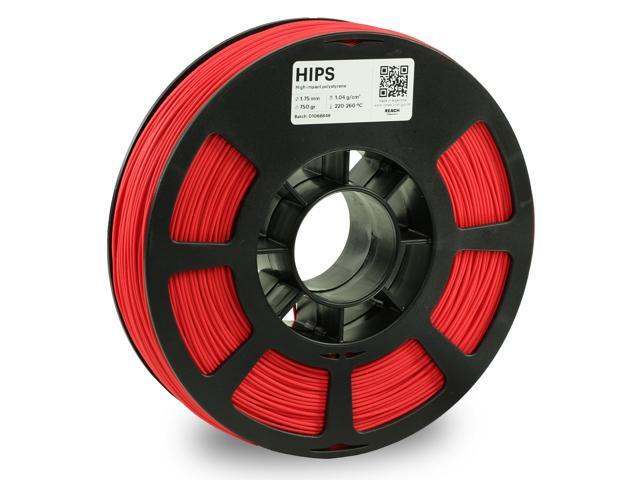 | High-resolution smooth surfaces with great interlayer adhesion. Best support material for abs Main application: support material Filament diameter: 1.75Mm (+/- 0.02Mm) Print temperature: 220-260?c. Print bed temperature: 60-90?c It can be used as a dissolvable support material for abs (soluble with limonene, citric acid) | |
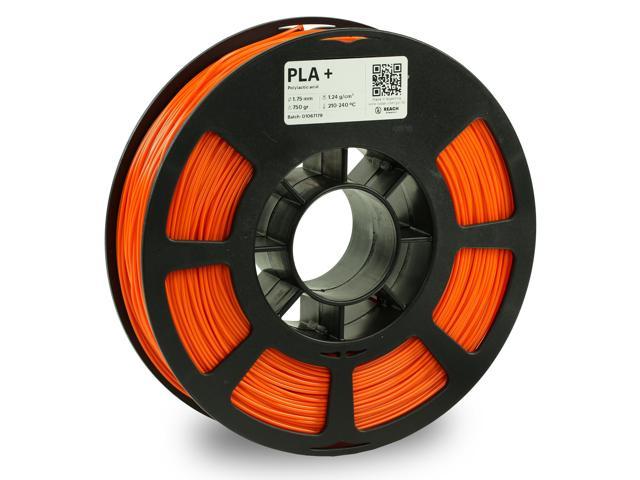 | Perfect combination of ease of use and strength Main application: concept modeling Filament Diameter: 1.75mm (+/- 0.02mm) Print temperature: 210-240?C. Print bed temperature (optional): 50-70?C Tips: post-annealing at 80-130?C can be used to promote crystallization and improve the part's heat deflection temperature | |
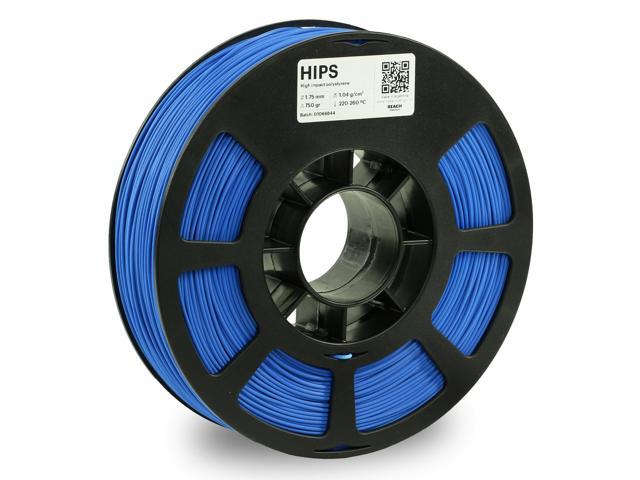 | High-resolution smooth surfaces with great interlayer adhesion. Best support material for abs Main application: support material Filament diameter: 1.75Mm (+/- 0.02Mm) Print temperature: 220-260?c. Print bed temperature: 60-90?c It can be used as a dissolvable support material for abs (soluble with limonene, citric acid) | |
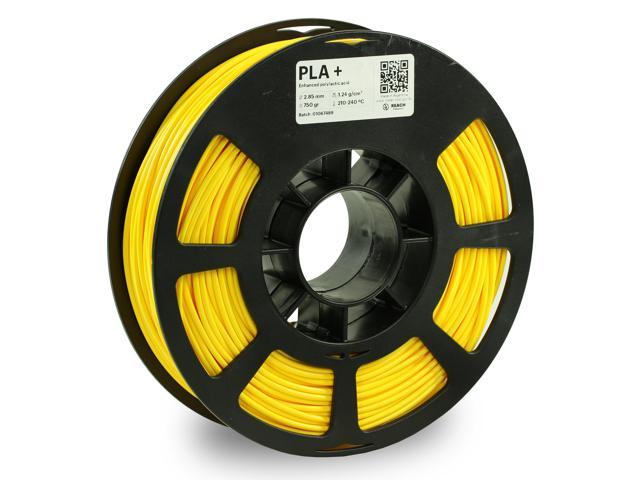 | Perfect combination of ease of use and strength Main application: concept modeling Filament Diameter: 2.85mm (+/- 0.02mm) Print temperature: 210-240?C. Print bed temperature (optional): 50-70?C Tips: post-annealing at 80-130?C can be used to promote crystallization and improve the part's heat deflection temperature | |
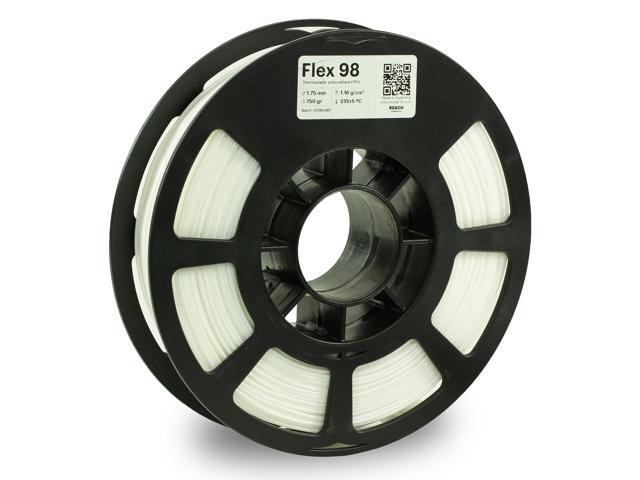 | Semi-flexible, strong and shatter-resistant objects Main application: semi-flexible parts with excellent impact and abrasion resistance Filament diameter: 1.75Mm (+/- 0.02Mm) Print temperature: 220-260?c. Print bed temperature (optional): 50-70?c Tips: print slowly (under 30Mm/s) and without retraction; use constant speeds and do not use sprays or glues on your print platform | |
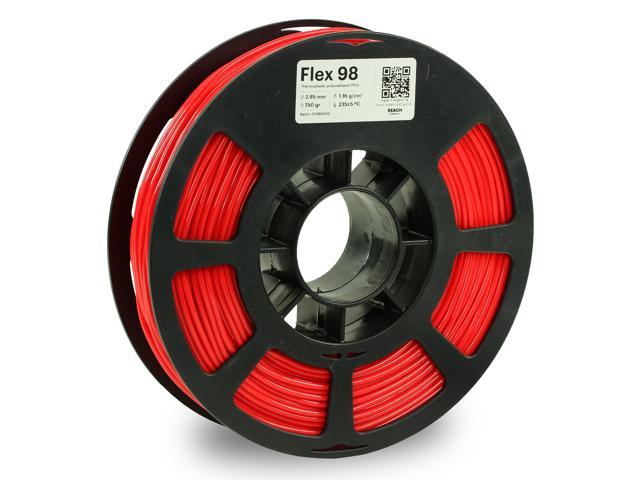 | Semi-flexible, strong and shatter-resistant objects Main application: semi-flexible parts with excellent impact and abrasion resistance Filament diameter: 2.85Mm (+/- 0.02Mm) Print temperature: 220-260?c. Print bed temperature (optional): 50-70?c Tips: print slowly (under 30Mm/s) and without retraction; use constant speeds and do not use sprays or glues on your print platform | |
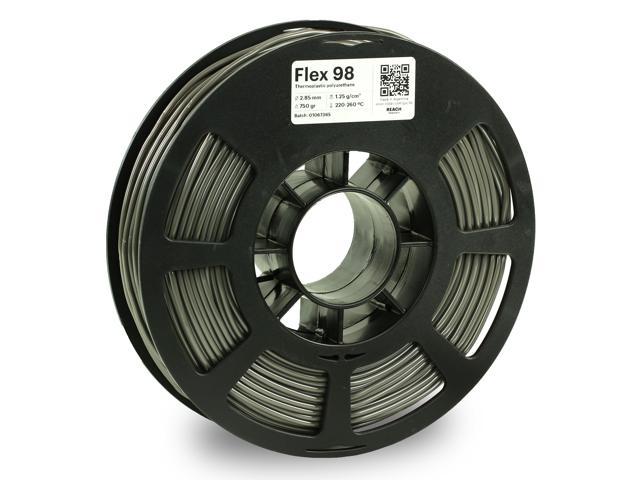 | Semi-flexible, strong and shatter-resistant objects Main application: semi-flexible parts with excellent impact and abrasion resistance Filament diameter: 2.85Mm (+/- 0.02Mm) Print temperature: 220-260?c. Print bed temperature (optional): 50-70?c Tips: print slowly (under 30Mm/s) and without retraction; use constant speeds and do not use sprays or glues on your print platform | |
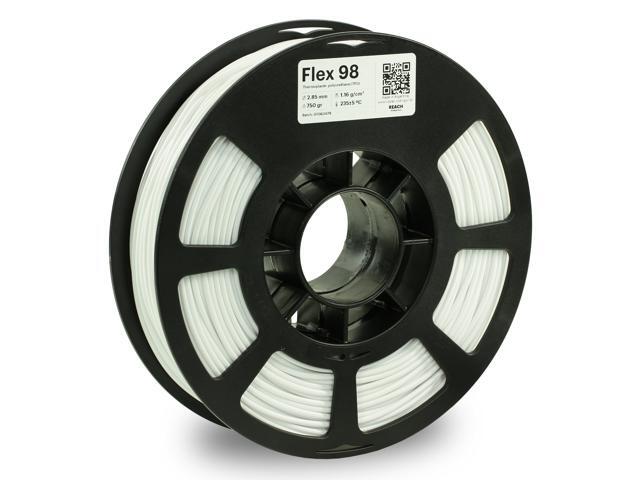 | Semi-flexible, strong and shatter-resistant objects Main application: semi-flexible parts with excellent impact and abrasion resistance Filament diameter: 2.85Mm (+/- 0.02Mm) Print temperature: 220-260?c. Print bed temperature (optional): 50-70?c Tips: print slowly (under 30Mm/s) and without retraction; use constant speeds and do not use sprays or glues on your print platform | |
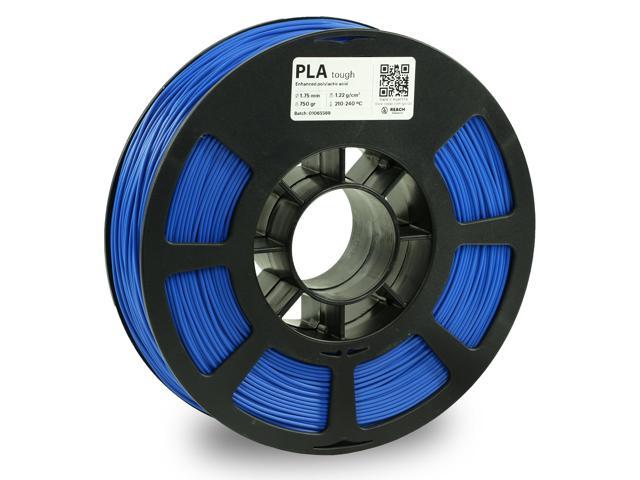 | Very high strength and ease of use Main application: functional prototyping Filament Diameter: 1.75mm (+/- 0.02mm) Print temperature: 210-240?C. Print bed temperature (optional): 50-70?C Tips: anneal at 110-120?C for 10-20 minutes to improve the material?s thermal and impact resistance | |
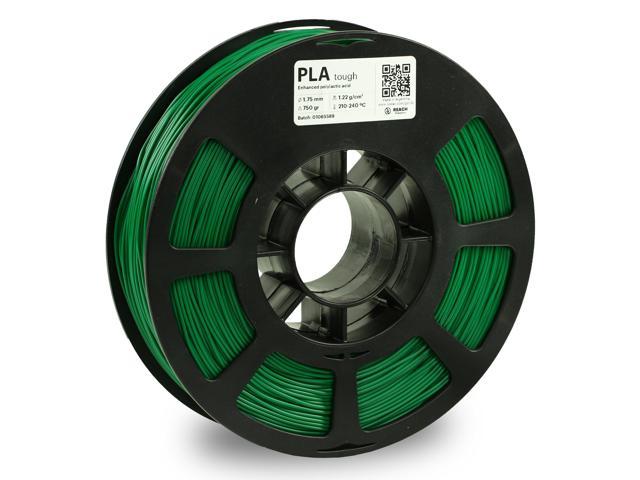 | Very high strength and ease of use Main application: functional prototyping Filament Diameter: 1.75mm (+/- 0.02mm) Print temperature: 210-240?C. Print bed temperature (optional): 50-70?C Tips: anneal at 110-120?C for 10-20 minutes to improve the material?s thermal and impact resistance | |
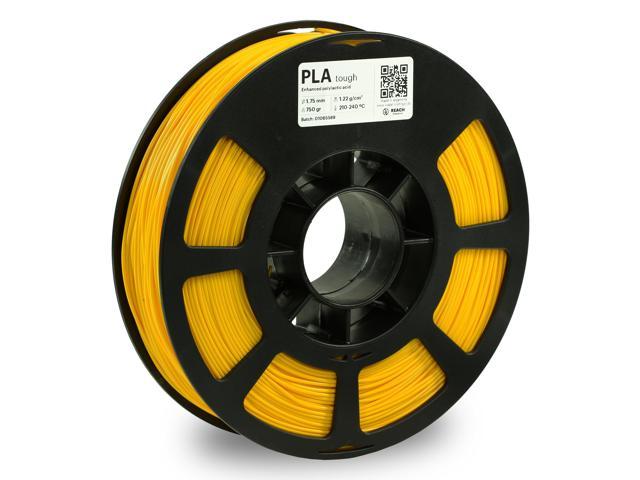 | Very high strength and ease of use Main application: functional prototyping Filament Diameter: 1.75mm (+/- 0.02mm) Print temperature: 210-240?C. Print bed temperature (optional): 50-70?C Tips: anneal at 110-120?C for 10-20 minutes to improve the material?s thermal and impact resistance | |