
Comparison TITAN PP62-200 vs Forte TC 200
Add to comparison | 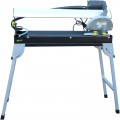 | 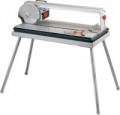 |
|---|---|---|
| TITAN PP62-200 | Forte TC 200 | |
| Outdated Product | from $176.00 up to $217.28 | |
| TOP sellers | ||
| Type | electric stationary | electric stationary |
Specs | ||
| Power source | mains | mains |
| Power | 1000 W | 800 W |
| Rotation speed | 2950 rpm | |
| Disc diameter | 200 mm | 200 mm |
| Bore diameter | 22.2 mm | 25.4 mm |
| Cutting length | 620 mm | 520 mm |
| Cutting depth | 35 mm | 36 mm |
Functions | ||
| Water cooling |  | |
| Disc/cutter feed | top | top |
| Mitre cutting | | |
| Folding table legs | | |
| Angle stop | | |
General | ||
| Table dimensions | 690x385 mm | 790x394 mm |
| Weight | 32 kg | 28.5 kg |
| Added to E-Catalog | may 2019 | september 2015 |


Compare TITAN PP62-200 and Forte TC 200
You may be interested in
My comparisons
TITAN PP62-200 often compared

Forte TC 200 often compared


Glossary
Power
Rated motor power of the electric tile cutter. The more powerful the engine — the more force it can give to the cutting tool, the higher the rotation speed and disc diameter can be. Accordingly, a more powerful tool is better suited for larger jobs and hard and/or thick materials. On the other hand, high power significantly affects the price, dimensions and weight of the tool, despite the fact that there is not always a real need for it.
In light of all this, it is necessary to choose a tile cutter in terms of power, taking into account the specifics of the intended use. So, in the case of a hand tool for simple household work, a power of 700 – 800 W is enough, more solid indicators may be required mainly for professional use. But in stationary units, where compactness does not really matter, you can not save on power — especially since such devices are usually used where performance is important.
In light of all this, it is necessary to choose a tile cutter in terms of power, taking into account the specifics of the intended use. So, in the case of a hand tool for simple household work, a power of 700 – 800 W is enough, more solid indicators may be required mainly for professional use. But in stationary units, where compactness does not really matter, you can not save on power — especially since such devices are usually used where performance is important.
Rotation speed
The maximum disc rotation speed provided by the motor of the electric tile cutter. Higher speeds are good for productivity, clean cuts and the ability to handle difficult materials, but they also require the right amount of power.
In general, if a tile cutter is bought for simple work with ordinary facing tiles (for example, repairs in an apartment), you can not pay much attention to this indicator: even the “slowest” models provide enough speed to cope with such tasks. But for cutting specific materials (for example, some types of stone), higher speeds may be required; detailed recommendations on this issue can be found in special sources.
In general, if a tile cutter is bought for simple work with ordinary facing tiles (for example, repairs in an apartment), you can not pay much attention to this indicator: even the “slowest” models provide enough speed to cope with such tasks. But for cutting specific materials (for example, some types of stone), higher speeds may be required; detailed recommendations on this issue can be found in special sources.
Bore diameter
The diameter of the mounting hole on the cutting disc that the tile cutter is compatible with. This parameter is important when searching for and purchasing interchangeable working nozzles: the diameters of the mounting hole on the tile cutter and on the disk must match.
Cutting length
The longest cut that can be made with a tile cutter.
This parameter is relevant primarily for manual tile cutters, as well as for electric stationary units with a top disc feed. In such tools, the cutting element moves along the guide rail and has limited space for movement, and the length of the cut is, in fact, the length of the stroke of the cutting tool from one extreme point to the other. In fact, this is the maximum width of the material that can be cut with a tile cutter.
This parameter is relevant primarily for manual tile cutters, as well as for electric stationary units with a top disc feed. In such tools, the cutting element moves along the guide rail and has limited space for movement, and the length of the cut is, in fact, the length of the stroke of the cutting tool from one extreme point to the other. In fact, this is the maximum width of the material that can be cut with a tile cutter.
Cutting depth
The greatest depth to which the tool can cut through the material being processed, in other words, the maximum thickness of the tile that the tile cutter is guaranteed to be able to cut.
It is worth choosing a tool for this parameter taking into account the thickness of the material with which to work, plus some margin “just in case”. But this margin should not be too large: for a deep cut, large discs and high power are required, which accordingly affects the price, weight and dimensions of the tool.
It is worth choosing a tool for this parameter taking into account the thickness of the material with which to work, plus some margin “just in case”. But this margin should not be too large: for a deep cut, large discs and high power are required, which accordingly affects the price, weight and dimensions of the tool.
Table dimensions
The size of the working surface of the stationary tile cutter (see "Type"). The larger the table, the lower the likelihood that the tiles will hang from it during operation.