
Comparison Sigma RC MOVE vs Sigma RC 14.11
Add to comparison | 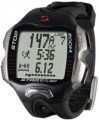 | 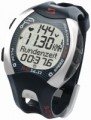 |
|---|---|---|
| Sigma RC MOVE | Sigma RC 14.11 | |
from $29.97 | from $161.00 | |
| User reviews | ||
| TOP sellers | ||
| Device type | heart rate monitor | heart rate monitor |
| Mount | on the wrist | on the wrist |
| Heart rate sensor | external | external |
Specs | ||
| Display shape | rectangular | round |
| Display | monochrome | monochrome |
| Display backlight |  | |
| Possible measurements | pulse rate movement speed calories burned average/max. heart rate | pulse rate movement speed calories burned average/max. heart rate |
| Features | watches calendar stopwatch lap counter | watches calendar stopwatch lap counter |
More features | ||
| Individual settings | gender age weight individual training area | gender age weight individual training area |
| Data transfer | Bluetooth | |
General | ||
| Source of power | battery | battery |
| Water protection | + | + |
| Waterproof | 30 m | 30 m |
| PC connection |  | |
| Added to E-Catalog | february 2015 | december 2014 |


Compare Sigma RC MOVE and RC 14.11
You may be interested in
My comparisons
Sigma RC MOVE often compared


Sigma RC 14.11 often compared


Glossary
Display shape
The shape of the display provided in the design of the device. In this case, there are two main types of displays — round and rectangular. However, it is worth noting that such a division is very arbitrary, and the groups themselves are very extensive: for example, round displays are oval and egg-shaped, some of them resemble rectangles with extremely rounded corners; a classic rectangular display can be placed in a round case, etc. In addition, its shape practically does not affect the functionality of the display. Therefore, when choosing, you should focus not so much on the form as on the type of display (see below), the features of displaying various data on it and the general compliance with your aesthetic preferences.
Data transfer
Data transfer standards supported by the device.
— Wi-Fi. Originally designed for computer networks and internet access, Wi-Fi is now commonly used for direct communication between devices, notably in fitness devices. While internet connectivity is possible, it's typically for specific tasks like firmware updates or saving data to network storage. The prevalent Wi-Fi version, 802.11n, theoretically offers a communication range of up to 100m indoors and 200m in open areas (though real-world figures are more modest). Newer generations boast even greater ranges. Wi-Fi modules are essential in various portable electronics like smartphones and tablets, but it tends to be less power-efficient compared to Bluetooth and ANT+.
— Bluetooth. Developed as a universal standard for direct device-to-device connectivity, Bluetooth technology comes in several compatible versions. The latest version, Bluetooth 4.0, offers a connection range of up to 100m and incorporates a low-energy communication standard, making it more energy-efficient than Wi-Fi. This efficiency is especially beneficial for compact electronics like heart rate monitors and pedometers with limited space for a sizable battery. However, Bluetooth modules are somewhat less common than Wi-Fi, with certain tablets and laptops lacking support. This is a consideration when selecting a model with this data transfer method.
— ANT+. Designed specific...ally for sports equipment and remote control applications, ANT+ is a low-power wireless transmission technology. It facilitates connections between heart rate monitors or pedometers and various devices, including exercise machines, smartphones, and tablets. For devices with USB On-The-Go support, communication is possible through a special adapter. Higher-priced models may have built-in ANT+ support, eliminating the need for additional equipment.
— Wi-Fi. Originally designed for computer networks and internet access, Wi-Fi is now commonly used for direct communication between devices, notably in fitness devices. While internet connectivity is possible, it's typically for specific tasks like firmware updates or saving data to network storage. The prevalent Wi-Fi version, 802.11n, theoretically offers a communication range of up to 100m indoors and 200m in open areas (though real-world figures are more modest). Newer generations boast even greater ranges. Wi-Fi modules are essential in various portable electronics like smartphones and tablets, but it tends to be less power-efficient compared to Bluetooth and ANT+.
— Bluetooth. Developed as a universal standard for direct device-to-device connectivity, Bluetooth technology comes in several compatible versions. The latest version, Bluetooth 4.0, offers a connection range of up to 100m and incorporates a low-energy communication standard, making it more energy-efficient than Wi-Fi. This efficiency is especially beneficial for compact electronics like heart rate monitors and pedometers with limited space for a sizable battery. However, Bluetooth modules are somewhat less common than Wi-Fi, with certain tablets and laptops lacking support. This is a consideration when selecting a model with this data transfer method.
— ANT+. Designed specific...ally for sports equipment and remote control applications, ANT+ is a low-power wireless transmission technology. It facilitates connections between heart rate monitors or pedometers and various devices, including exercise machines, smartphones, and tablets. For devices with USB On-The-Go support, communication is possible through a special adapter. Higher-priced models may have built-in ANT+ support, eliminating the need for additional equipment.
PC connection
The device has the capability to connect to a PC, typically through a wired USB interface. This connection serves an auxiliary role, occurring outside of workout sessions, such as between workouts. It is utilized for various purposes, including saving collected data on a computer, adjusting settings, updating firmware, etc. The specific functionalities depend on the model of the heart rate monitor or pedometer.