
Comparison Soocas X5 vs Soocas X3
Add to comparison |  | 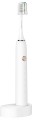 |
|---|---|---|
| Soocas X5 | Soocas X3 | |
from $42.46 up to $55.96 | from $44.21 | |
| User reviews | ||
| TOP sellers | ||
| Suitable for | adult toothbrush | adult toothbrush |
| Brushing technology | sonic | sonic |
In box | ||
| Number of nozzles | 3 pcs | 1 pcs |
| Nozzles purpose | standard | standard |
Specs | ||
| Power / intensity modes | 1 | 1 |
| Toothbrush operating modes | 4 | 4 |
| Modes | daily brushing (2D) delicate brushing whitening individual | daily brushing (2D) delicate brushing whitening gum massage |
| Frequency of movements / pulsations | 37.2 ths/min | 37.2 ths/min |
Features | ||
| Timer |  | |
| Smartphone synchronization | | |
| Additionally in a set | charging stand box / case | charging stand |
Power supply | ||
| Power source | accumulator powered | accumulator powered |
| Max. operating time | 120 min | 100 min |
| Full charge time | 15 h | 16 h |
| Charging indicator | | |
| USB charging | |  |
General | ||
| Weight | 430 g | |
| Color | ||
| Added to E-Catalog | december 2019 | january 2017 |


Compare Soocas X5 and X3
You may be interested in
Soocas X5 often compared

Soocas X3 often compared


Glossary
Number of nozzles
The number of working nozzles that are standardly supplied with the device. Nowadays, options are quite common with both one and two or three nozzles in the kit; and in the most extensive sets, this number can be four or five or even more.
In many sets, several nozzles may have different purposes. For instance, an irrigator, in addition to its standard nozzle, might include orthodontic and periodontal nozzles. However, it's important to note that models with the same number of accessories in the kit can have different specific specializations. So, when making a choice, it's wise to consider not just the quantity but also the types of nozzles available. Additionally, there's an option where several identical interchangeable heads come with one handle. This configuration is particularly common in toothbrushes. It enables multiple individuals, such as family members, to use a single device, and such a set is usually more cost-effective than purchasing individual toothbrushes for each person.
In many sets, several nozzles may have different purposes. For instance, an irrigator, in addition to its standard nozzle, might include orthodontic and periodontal nozzles. However, it's important to note that models with the same number of accessories in the kit can have different specific specializations. So, when making a choice, it's wise to consider not just the quantity but also the types of nozzles available. Additionally, there's an option where several identical interchangeable heads come with one handle. This configuration is particularly common in toothbrushes. It enables multiple individuals, such as family members, to use a single device, and such a set is usually more cost-effective than purchasing individual toothbrushes for each person.
Modes
Operating modes supported by the device.
Nowadays, toothbrushes offer the greatest variety of modes. In addition to traditional (so-called '2D') daily cleaning, they may include a 3D-mode, programs for sensitive and deep cleaning, polishing, whitening, gum massage, and tongue cleaning.
— Daily Cleaning (2D). The operating mode most similar to traditional (manual) toothbrushes. In this mode, the bristles move in a single plane; the trajectory can vary depending on the cleaning technology (see below). The intensity is usually medium/high, making this mode primarily for relatively healthy and not too sensitive teeth. The recommended time for daily cleaning is 2 minutes, 30 seconds for each quadrant of the mouth; relevant settings are typically provided in the timer (if available — see below). Generally, 2D cleaning is somewhat less effective than 3D (see below), but even the cheapest toothbrushes can offer this feature.
— Daily Cleaning (3D). A feature found in brushes with oscillating-rotating and sweeping technology. In these models, in addition to the primary cleaning technology, there is an up-and-down pulsation of bristles (more precisely, into the head and back). This allows cleaning in three planes, consid...erably improving efficiency compared to the 2D cleaning described above: the bristles not only process the outer tooth surface but also somewhat reach the sides and interdental spaces (although it is not a full replacement for using dental floss). The traditional downside of this feature is the relatively high cost.
— Sensitive Cleaning. A program for gentle treatment, mainly used for sensitive teeth and gums prone to bleeding. In brushes with oscillating-rotating and sweeping cleaning technology (see below), the sensitive mode usually involves reduced rotation/oscillation speed of the nozzle; in sonic and ultrasonic models, gentle treatment may be provided by decreasing the amplitude of oscillations. In any case, this mode minimizes discomfort during cleaning and the risk of gum damage — even with standard nozzles; for the most gentle effect, use this function with a sensitive teeth nozzle.
— Deep Cleaning. This name commonly refers to a cleaning with standard intensity, but extended duration — for instance, 3 minutes instead of the usual 2 minutes (45 seconds per quadrant of the mouth instead of the traditional 30 seconds). This mode allows for maximum effective tooth cleaning and removal of deposits insufficiently cleared by regular daily cleaning.
— Polishing. A mode for treating relatively clean teeth that do not require a full cleaning session. Usually, polishing is performed at a reduced frequency of oscillations (rotations) and takes significantly less time than regular treatment (e.g., 1 minute instead of the traditional 2 minutes).
— Whitening. A special mode for lightening tooth enamel and removing various stains, especially from the front teeth. It may be an extended version of the usual cleaning mode: for example, when whitening is enabled, the brush operates in a regular format for 2 minutes, then at increased intensity for 30 seconds. It's worth checking these specifics separately; also check contraindications for using this mode (especially for sensitive teeth and/or gum issues).
— Gum Massage. Gum treatment may be provided as a completely separate program or as an addition to the normal cleaning mode. This feature not only ensures effective cleaning but also strengthens the gums — useful for treating inflammation and bleeding, though it's best to consult with a doctor beforehand in such cases.
— Tongue Cleaning. A separate mode for cleaning the tongue. For many people, cleaning the tongue with an electric toothbrush causes a tickling sensation that's hard to endure for a long time. Therefore, this mode typically involves a brief duration of continuous treatment — around 20 seconds; several such 'sessions' can be made if necessary. It's also worth noting that having a tongue cleaning mode does not automatically mean a special attachment for such cleaning is included (see 'Attachments'), although such a tool is usually part of the set.
Note that in some toothbrushes, changing modes is done using 'smart' attachments: when such an attachment is installed, the device recognizes it via a built-in chip and automatically switches to the appropriate program.
Nowadays, toothbrushes offer the greatest variety of modes. In addition to traditional (so-called '2D') daily cleaning, they may include a 3D-mode, programs for sensitive and deep cleaning, polishing, whitening, gum massage, and tongue cleaning.
— Daily Cleaning (2D). The operating mode most similar to traditional (manual) toothbrushes. In this mode, the bristles move in a single plane; the trajectory can vary depending on the cleaning technology (see below). The intensity is usually medium/high, making this mode primarily for relatively healthy and not too sensitive teeth. The recommended time for daily cleaning is 2 minutes, 30 seconds for each quadrant of the mouth; relevant settings are typically provided in the timer (if available — see below). Generally, 2D cleaning is somewhat less effective than 3D (see below), but even the cheapest toothbrushes can offer this feature.
— Daily Cleaning (3D). A feature found in brushes with oscillating-rotating and sweeping technology. In these models, in addition to the primary cleaning technology, there is an up-and-down pulsation of bristles (more precisely, into the head and back). This allows cleaning in three planes, consid...erably improving efficiency compared to the 2D cleaning described above: the bristles not only process the outer tooth surface but also somewhat reach the sides and interdental spaces (although it is not a full replacement for using dental floss). The traditional downside of this feature is the relatively high cost.
— Sensitive Cleaning. A program for gentle treatment, mainly used for sensitive teeth and gums prone to bleeding. In brushes with oscillating-rotating and sweeping cleaning technology (see below), the sensitive mode usually involves reduced rotation/oscillation speed of the nozzle; in sonic and ultrasonic models, gentle treatment may be provided by decreasing the amplitude of oscillations. In any case, this mode minimizes discomfort during cleaning and the risk of gum damage — even with standard nozzles; for the most gentle effect, use this function with a sensitive teeth nozzle.
— Deep Cleaning. This name commonly refers to a cleaning with standard intensity, but extended duration — for instance, 3 minutes instead of the usual 2 minutes (45 seconds per quadrant of the mouth instead of the traditional 30 seconds). This mode allows for maximum effective tooth cleaning and removal of deposits insufficiently cleared by regular daily cleaning.
— Polishing. A mode for treating relatively clean teeth that do not require a full cleaning session. Usually, polishing is performed at a reduced frequency of oscillations (rotations) and takes significantly less time than regular treatment (e.g., 1 minute instead of the traditional 2 minutes).
— Whitening. A special mode for lightening tooth enamel and removing various stains, especially from the front teeth. It may be an extended version of the usual cleaning mode: for example, when whitening is enabled, the brush operates in a regular format for 2 minutes, then at increased intensity for 30 seconds. It's worth checking these specifics separately; also check contraindications for using this mode (especially for sensitive teeth and/or gum issues).
— Gum Massage. Gum treatment may be provided as a completely separate program or as an addition to the normal cleaning mode. This feature not only ensures effective cleaning but also strengthens the gums — useful for treating inflammation and bleeding, though it's best to consult with a doctor beforehand in such cases.
— Tongue Cleaning. A separate mode for cleaning the tongue. For many people, cleaning the tongue with an electric toothbrush causes a tickling sensation that's hard to endure for a long time. Therefore, this mode typically involves a brief duration of continuous treatment — around 20 seconds; several such 'sessions' can be made if necessary. It's also worth noting that having a tongue cleaning mode does not automatically mean a special attachment for such cleaning is included (see 'Attachments'), although such a tool is usually part of the set.
Note that in some toothbrushes, changing modes is done using 'smart' attachments: when such an attachment is installed, the device recognizes it via a built-in chip and automatically switches to the appropriate program.
Additionally in a set
Additional items supplied with the device (in addition to the base and attachment set).
The most popular types of such items nowadays are charging stand, accessory stand, UV sanitizer and case ; Here is a more detailed description of each option:
— Charging stand. A battery charging device designed as a stand serves the dual purpose of recharging the battery and offering added convenience for storing the device. It's worth noting that this function can apply to dental centers, even if they primarily operate on mains power (as indicated in the "Type of power" section). In such cases, the toothbrush included with the dental center typically runs on batteries, and the charging stand is typically integrated directly into the main unit of the dental center for ease of use.
— Stand for accessories. A device designed to hold various accessories, primarily interchangeable nozzles, can come in different designs. For example, in toothbrushes and portable irrigators, this device is often integrated into a charging stand, which includes both a charging socket and open compartments for accessories. In irrigators and fixed-layout dental centers, these compartments are usually built into the main unit or the lid of the water tank. In this case, the compartments are typically covered with lids for hygiene reasons, making it...a more hygienic option. Regardless of the design, having a dedicated stand for accessories enhances the convenience of storing them.
— UV sanitizer. A device that uses ultraviolet (UV) radiation for disinfecting the device, particularly replaceable nozzles, is typically designed as a distinctive container. In some models, this container also serves as a cover or case. The disinfection process effectively eliminates the majority of pathogenic bacteria and viruses, all without the need for additional chemicals and ensuring safety as the radiation remains confined within the container. However, it's important to note that UV disinfection is not effective against regular dirt and debris, so having this function doesn't eliminate the need to clean the nozzle through washing.
— Case / cover. The device comes with a storage and carrying container, which can be either a hard case or a soft cover. Hard cases offer better protection, while soft covers are more compact and can be rolled up when not in use. Regardless, both of these accessories are highly convenient for storage and transportation. They safeguard the contents from dirt and damage, and in many cases, provide space to store additional accessories, reducing the risk of losing them. While you could use makeshift packaging for the same purpose, the provided container is typically more practical.
The most popular types of such items nowadays are charging stand, accessory stand, UV sanitizer and case ; Here is a more detailed description of each option:
— Charging stand. A battery charging device designed as a stand serves the dual purpose of recharging the battery and offering added convenience for storing the device. It's worth noting that this function can apply to dental centers, even if they primarily operate on mains power (as indicated in the "Type of power" section). In such cases, the toothbrush included with the dental center typically runs on batteries, and the charging stand is typically integrated directly into the main unit of the dental center for ease of use.
— Stand for accessories. A device designed to hold various accessories, primarily interchangeable nozzles, can come in different designs. For example, in toothbrushes and portable irrigators, this device is often integrated into a charging stand, which includes both a charging socket and open compartments for accessories. In irrigators and fixed-layout dental centers, these compartments are usually built into the main unit or the lid of the water tank. In this case, the compartments are typically covered with lids for hygiene reasons, making it...a more hygienic option. Regardless of the design, having a dedicated stand for accessories enhances the convenience of storing them.
— UV sanitizer. A device that uses ultraviolet (UV) radiation for disinfecting the device, particularly replaceable nozzles, is typically designed as a distinctive container. In some models, this container also serves as a cover or case. The disinfection process effectively eliminates the majority of pathogenic bacteria and viruses, all without the need for additional chemicals and ensuring safety as the radiation remains confined within the container. However, it's important to note that UV disinfection is not effective against regular dirt and debris, so having this function doesn't eliminate the need to clean the nozzle through washing.
— Case / cover. The device comes with a storage and carrying container, which can be either a hard case or a soft cover. Hard cases offer better protection, while soft covers are more compact and can be rolled up when not in use. Regardless, both of these accessories are highly convenient for storage and transportation. They safeguard the contents from dirt and damage, and in many cases, provide space to store additional accessories, reducing the risk of losing them. While you could use makeshift packaging for the same purpose, the provided container is typically more practical.
Max. operating time
This refers to the maximum duration a device can run continuously when powered by a fully charged battery or fresh batteries. It's worth noting that this metric may also apply to models designed for mains power, such as flossing systems that include rechargeable toothbrushes, in which case we're referring to the battery life of these toothbrushes.
It's important to note that device specifications typically indicate the maximum runtime under ideal conditions, often in the most energy-efficient mode of operation (and for models with replaceable batteries, using high-quality batteries). The actual battery life can vary depending on specific usage conditions. However, this parameter still serves as a valuable basis for comparing different models. Generally, differences in the claimed operating time correspond proportionally to the real differences in battery life. For example, if one toothbrush has a stated operating time of 20 minutes and another boasts 40 minutes, in practice, their battery life (under similar conditions) will likely differ by approximately two times.
It's important to consider that, for toothbrushes, this parameter can help estimate the number of brushing sessions you can expect on a single charge. Typically, the recommended daily brushing duration is 2 minutes. So, if a toothbrush has an operating time of 30 minutes, it's sufficient for approximately 15 cleaning sessions (or more realistically, around 14 or 13).
It's important to note that device specifications typically indicate the maximum runtime under ideal conditions, often in the most energy-efficient mode of operation (and for models with replaceable batteries, using high-quality batteries). The actual battery life can vary depending on specific usage conditions. However, this parameter still serves as a valuable basis for comparing different models. Generally, differences in the claimed operating time correspond proportionally to the real differences in battery life. For example, if one toothbrush has a stated operating time of 20 minutes and another boasts 40 minutes, in practice, their battery life (under similar conditions) will likely differ by approximately two times.
It's important to consider that, for toothbrushes, this parameter can help estimate the number of brushing sessions you can expect on a single charge. Typically, the recommended daily brushing duration is 2 minutes. So, if a toothbrush has an operating time of 30 minutes, it's sufficient for approximately 15 cleaning sessions (or more realistically, around 14 or 13).
Full charge time
The time required to charge the battery from zero to 100% in a device with the appropriate power type (see above). This parameter can vary from 1 – 3 hours in relatively simple and low-power devices to a day in advanced models with capacious batteries. At the same time, the longer the maximum operating time on a charge (see above), the longer, usually, the time required for charging, although there is no hard dependence here.
In general, having fast charging capabilities improves the convenience of a device by reducing interruptions in its operation. However, there is a trade-off to consider: fast charging often means either a smaller battery capacity or a higher price due to the use of specialized technologies to speed up the charging process. When evaluating this parameter, it's essential to think about how you intend to use the device. For instance, if a toothbrush or irrigator is solely used at home by one person and comes with a charging stand, fast charging may not be a critical factor. The device remains consistently charged as it's constantly on the charger, and its battery doesn't deplete significantly during one use. The time between sessions, usually around 8 to 12 hours, is more than enough to maintain a charged battery, even for devices with slower charging. However, if you plan to use the device while traveling, where access to power outlets is sporadic, it's preferable to have minima...l charging time to ensure you can recharge quickly during your trips.
In general, having fast charging capabilities improves the convenience of a device by reducing interruptions in its operation. However, there is a trade-off to consider: fast charging often means either a smaller battery capacity or a higher price due to the use of specialized technologies to speed up the charging process. When evaluating this parameter, it's essential to think about how you intend to use the device. For instance, if a toothbrush or irrigator is solely used at home by one person and comes with a charging stand, fast charging may not be a critical factor. The device remains consistently charged as it's constantly on the charger, and its battery doesn't deplete significantly during one use. The time between sessions, usually around 8 to 12 hours, is more than enough to maintain a charged battery, even for devices with slower charging. However, if you plan to use the device while traveling, where access to power outlets is sporadic, it's preferable to have minima...l charging time to ensure you can recharge quickly during your trips.
USB charging
The ability to charge the battery in the device from a standard USB port.
Refer to the "Type of power" section for battery details. Charging via USB offers several advantages over traditional mains charging. The primary benefit is the widespread availability of USB ports in computers, laptops, tablets, and various electronic devices. USB connectors are standard outputs in portable power banks, and USB adapters can convert 230V socket and car cigarette lighter socket outputs. This power source allows you to charge your toothbrush or irrigator not only from mains power but also from various other sources, even when sockets are unavailable, such as from a laptop or a power bank. This is particularly convenient during travel.
Another notable aspect of this charging method is that it often eliminates the need for a dedicated charger. All you need is a basic cable to connect the toothbrush or irrigator to a USB port. Typically, such a cable is included with the device, and the device itself features a standard microUSB port for power connection. This flexibility allows you to use alternative cables if needed, which are compatible with the plug type, making it more convenient and adaptable.
However, it's important to mention that these standard sockets on the device are not well-suited for use with charging stands, as discussed in the "Additionally in the kit" section. Consequently, some toothbrushes and irrigators...that use USB charging may not include charging stands at all, while others employ a unique design. In these cases, a dedicated socket for the charging stand is integrated into the device, and USB charging becomes accessible when the device is placed within a travel case, which also serves as a transitional component.
Refer to the "Type of power" section for battery details. Charging via USB offers several advantages over traditional mains charging. The primary benefit is the widespread availability of USB ports in computers, laptops, tablets, and various electronic devices. USB connectors are standard outputs in portable power banks, and USB adapters can convert 230V socket and car cigarette lighter socket outputs. This power source allows you to charge your toothbrush or irrigator not only from mains power but also from various other sources, even when sockets are unavailable, such as from a laptop or a power bank. This is particularly convenient during travel.
Another notable aspect of this charging method is that it often eliminates the need for a dedicated charger. All you need is a basic cable to connect the toothbrush or irrigator to a USB port. Typically, such a cable is included with the device, and the device itself features a standard microUSB port for power connection. This flexibility allows you to use alternative cables if needed, which are compatible with the plug type, making it more convenient and adaptable.
However, it's important to mention that these standard sockets on the device are not well-suited for use with charging stands, as discussed in the "Additionally in the kit" section. Consequently, some toothbrushes and irrigators...that use USB charging may not include charging stands at all, while others employ a unique design. In these cases, a dedicated socket for the charging stand is integrated into the device, and USB charging becomes accessible when the device is placed within a travel case, which also serves as a transitional component.
Weight
The total weight of the device is an important consideration. In the case of stationary irrigators and dental centers (as mentioned in the "Type" section), weight isn't a significant factor since the main unit is placed on a stand or wall, and you don't have to hold it. In fact, for some of these models, weight may not even be specified. However, when it comes to toothbrushes or portable irrigators, the device's weight becomes a crucial factor. A heavy device can strain your hand and make it challenging to use during teeth brushing or other procedures. It's generally recommended that the weight of a portable device should not exceed 200 g, and lighter is often better. It's worth noting that in models that come with stands (as discussed earlier), the total weight is typically provided, accounting for both the main unit and the stand. The weight of the main unit alone is usually around 1.5 to 2 times less than the total weight.