
Comparison Ecosoft Maxima vs Ecosoft Nemo
Add to comparison | 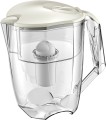 | 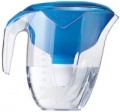 |
|---|---|---|
| Ecosoft Maxima | Ecosoft Nemo | |
| Outdated Product | Outdated Product | |
| TOP sellers | ||
| Type | jug | jug |
| Jug volume | 5 L | 3 L |
| Purpose | for cold water | for cold water |
Cleaning specs | ||
| Types of filtration | mechanical impurities organic impurities softening (scale) chlorine ferrous | mechanical impurities organic impurities chlorine |
Connection and cartridges | ||
| Replacement cartridges | CRVKECO | |
More features | ||
| Dimensions | 21x28x16 cm | |
| Added to E-Catalog | september 2024 | march 2021 |


Compare Ecosoft Maxima and Nemo
You may be interested in
My comparisons
Ecosoft Maxima often compared


Ecosoft Nemo often compared


Glossary
Jug volume
The volume of the filter jug or the complete container of the tourist filter (see "Type"). In the first case, the total volume of the lower bowl is usually indicated, without a funnel installed in it (the capacity of the funnel can be specified separately). And since the funnel occupies part of the lower bowl, the working capacity of the filter will be less than the claimed volume: for example, if the characteristics indicate a total volume of 3.9 L and a funnel with a capacity of 1.9 L, then in the lower part with the funnel installed, a maximum of 3.9 – 1.9 = 2 liters. In most cases, the working volume of the jug is just a little more than half of the total.
Types of filtration
Substances from which the filter is able to purify water. Some models may also indicate a specific degree of purification in percent for each point; the higher this indicator, the more efficiently the filter is able to cope with its functions. This list will be especially useful if you know what exactly is the most polluted water in your area — it will allow you to choose the model that is most suitable for specific conditions. In addition, in the case of softening systems (see "Type"), this data helps to determine the specific type of device — softener or iron remover.
The most common contaminants today are:
— Mechanical impurities. Particles of small size, insoluble in water and in a state of suspension. An example of such impurities is fine sand.
— Organic impurities. Impurities of various substances of organic origin — benzene, chloroethanes, chlorethylenes, etc. Many of these substances are harmful to humans. Unlike the mechanical impurities described above, "organics" refers to chemical contaminants — such substances dissolve in water, and they have to be filtered at the molecular level. This requires the use of fairly advanced filters. It is also worth mentioning that some types of organic substances — in particular, phenol, pesticides and petroleum products — stand out in separate categories, the possibility of filtering them is specifically stipulated in the specs...of the filters. This is due to their prevalence and popularity: the term "organic impurities" is not clear to everyone, but the danger of pesticides or petroleum products is well known. See below for details on individual types of organic contaminant.
— Active chlorine. Chlorination is still used in some plumbing systems as a disinfectant. As a result, water supplied to consumers often contains dissolved chlorine, which is harmful to health. Some filters with this function, in addition to chlorine, are also able to remove hydrogen sulfide and other gases dissolved in it, which affect water quality and give it an unpleasant odour. However, these possibilities should be specified separately.
— Iron. Iron is known to many as an important trace element necessary for the functioning of the body; however, a person needs very little of it, and iron impurities in drinking water only harm the body. Note that such impurities can be present in different forms; therefore, different types of filters are required to filter them. So, one of the most famous options is colloidal iron: very small undissolved particles that give the water a characteristic “rusty” colour, as well as a metallic taste and smell. This type of impurities is effectively filtered by osmotic membranes (see "Reverse osmosis"). Also, such membranes cope well with bacterial iron — it is also in the form of insoluble microscopic particles, accumulates a specific type of bacteria that lives in water pipes. But for soluble forms (ferrous hydroxide, chloride and ferrous sulfate), it is necessary to use specialized cleaning and softening systems — iron removers; see "Type" for details. Summing up, we can say that when choosing a device with this type of filtration, it is necessary to take into account the specific form of iron that you have to deal with. At the same time, water can contain several types of such impurities at the same time, which may require complex filtration.
— Ions of heavy metals. In this case, we can also talk about salts of heavy metals: ions are formed when any salts are dissolved in water. Most heavy metals — accordingly, their compounds — are toxic to humans.
— Pesticides. Various chemicals used to combat harmful microorganisms, fungi, weeds, various agricultural pests (insects, rodents), etc. Most pesticides are toxic chemicals and are toxic to humans.
— Nitrates. Salts of nitric acid, which are a common component of mineral fertilizers (saltpeter) in particular. Most of the nitrates are converted into safe compounds during use, but excess fertilizers can end up in drinking water.
— Cadmium. A metal used in particular in anti-corrosion coatings, batteries and inorganic dyes. Poisonous both by itself and in various compounds.
— Petroleum products. Oil and various substances obtained from it (gasoline, kerosene, diesel fuel, fuel oil, etc.). It is poisonous when taken orally.
— Hardness salts. Compounds that give water increased hardness are primarily calcium and magnesium salts. Water purification from such salts is carried out by purification and softening systems based on the principle of ion exchange. For more information about such devices, see "Type", here we note that if the specs of the cleaning and softening system indicate the filtration of hardness salts, then we have a classic softener, if not — an iron remover.
This list is not complete, modern filters can specialize in other types of pollution. For example, for many main models (see "Type"), filtration from sand and clay is separately claimed. In our catalog, such moments are described in the paragraph “Additional cleaning".
The most common contaminants today are:
— Mechanical impurities. Particles of small size, insoluble in water and in a state of suspension. An example of such impurities is fine sand.
— Organic impurities. Impurities of various substances of organic origin — benzene, chloroethanes, chlorethylenes, etc. Many of these substances are harmful to humans. Unlike the mechanical impurities described above, "organics" refers to chemical contaminants — such substances dissolve in water, and they have to be filtered at the molecular level. This requires the use of fairly advanced filters. It is also worth mentioning that some types of organic substances — in particular, phenol, pesticides and petroleum products — stand out in separate categories, the possibility of filtering them is specifically stipulated in the specs...of the filters. This is due to their prevalence and popularity: the term "organic impurities" is not clear to everyone, but the danger of pesticides or petroleum products is well known. See below for details on individual types of organic contaminant.
— Active chlorine. Chlorination is still used in some plumbing systems as a disinfectant. As a result, water supplied to consumers often contains dissolved chlorine, which is harmful to health. Some filters with this function, in addition to chlorine, are also able to remove hydrogen sulfide and other gases dissolved in it, which affect water quality and give it an unpleasant odour. However, these possibilities should be specified separately.
— Iron. Iron is known to many as an important trace element necessary for the functioning of the body; however, a person needs very little of it, and iron impurities in drinking water only harm the body. Note that such impurities can be present in different forms; therefore, different types of filters are required to filter them. So, one of the most famous options is colloidal iron: very small undissolved particles that give the water a characteristic “rusty” colour, as well as a metallic taste and smell. This type of impurities is effectively filtered by osmotic membranes (see "Reverse osmosis"). Also, such membranes cope well with bacterial iron — it is also in the form of insoluble microscopic particles, accumulates a specific type of bacteria that lives in water pipes. But for soluble forms (ferrous hydroxide, chloride and ferrous sulfate), it is necessary to use specialized cleaning and softening systems — iron removers; see "Type" for details. Summing up, we can say that when choosing a device with this type of filtration, it is necessary to take into account the specific form of iron that you have to deal with. At the same time, water can contain several types of such impurities at the same time, which may require complex filtration.
— Ions of heavy metals. In this case, we can also talk about salts of heavy metals: ions are formed when any salts are dissolved in water. Most heavy metals — accordingly, their compounds — are toxic to humans.
— Pesticides. Various chemicals used to combat harmful microorganisms, fungi, weeds, various agricultural pests (insects, rodents), etc. Most pesticides are toxic chemicals and are toxic to humans.
— Nitrates. Salts of nitric acid, which are a common component of mineral fertilizers (saltpeter) in particular. Most of the nitrates are converted into safe compounds during use, but excess fertilizers can end up in drinking water.
— Cadmium. A metal used in particular in anti-corrosion coatings, batteries and inorganic dyes. Poisonous both by itself and in various compounds.
— Petroleum products. Oil and various substances obtained from it (gasoline, kerosene, diesel fuel, fuel oil, etc.). It is poisonous when taken orally.
— Hardness salts. Compounds that give water increased hardness are primarily calcium and magnesium salts. Water purification from such salts is carried out by purification and softening systems based on the principle of ion exchange. For more information about such devices, see "Type", here we note that if the specs of the cleaning and softening system indicate the filtration of hardness salts, then we have a classic softener, if not — an iron remover.
This list is not complete, modern filters can specialize in other types of pollution. For example, for many main models (see "Type"), filtration from sand and clay is separately claimed. In our catalog, such moments are described in the paragraph “Additional cleaning".
Replacement cartridges
Models of replaceable cartridges for which the filter is designed. Knowing the names of models, it will be much easier for you to find a replacement for an exhausted cartridge. In addition, the options directly named by the manufacturer are fully compatible with the filter and correspond to official specifications, while there is no such guarantee for "non-native" cartridges.
Several names in this paragraph are usually indicated for filters with multi-stage filtration (see "Stages of purification") — a cartridge for each stage.
Several names in this paragraph are usually indicated for filters with multi-stage filtration (see "Stages of purification") — a cartridge for each stage.