
Comparison Samsung RB31HER2CSA silver vs Samsung RB31FERNCSA silver
Add to comparison | 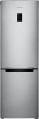 | 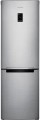 |
|---|---|---|
| Samsung RB31HER2CSA silver | Samsung RB31FERNCSA silver | |
from $450.00 up to $579.83 | from $399.14 up to $630.64 | |
| TOP sellers | ||
Multi-flow cooling system Multi Flow. Freezing capacity 12 kg/day. Freshness zone. Vacation mode. Full No Frost (on both cameras). Energy class A++. | ||
| Total capacity | 304 L | 304 L |
| Number of chambers | 2 | 2 |
| Number of cooling circuits | 2 | 2 |
| Number of compressors | 1 | 1 |
| Inverter compressor |  | |
| No Frost | freezer / refrigerator compartments | freezer / refrigerator compartments |
Features | ||
| Features | door alarm reversible door | holiday mode door alarm reversible door |
| More features | hidden door handles | hidden door handles |
Refrigeration chamber | ||
| Refrigerator capacity | 206 L | 206 L |
| Storage compartments | fresh zone bottle rack | |
| Dynamic air cooling | | |
| Auto-defrost | | |
| LED lighting | | |
Freezer chamber | ||
| Freezer compartment | bottom | bottom |
| Freezer capacity | 98 L | 98 L |
| Freezer temperature | -24 °C | -24 °C |
| Autonomy time | 20 h | 20 h |
| Freeze capacity | 13 kg/day | 12 kg/day |
| Fast freeze | | |
More specs | ||
| Controls | external touch controls | external touch controls |
| Energy class | A++ | A++ |
| Energy consumption per year | 257 kWh | 257 kWh |
| Noise level | 39 dB | 39 dB |
| Dimensions (HxWxD) | 185x60x67 cm | 185x60x67 cm |
| Weight | 69 kg | 70 kg |
| Color | ||
| Added to E-Catalog | january 2016 | february 2013 |


Compare Samsung RB31HER2CSA and RB31FERNCSA
You may be interested in
My comparisons
Samsung RB31HER2CSA often compared


Samsung RB31FERNCSA often compared

Glossary
Features
Various special features provided in the refrigerator, such as holiday mode, child lock, ( LED display or TFT display), door alarm reversible door. And now in more detail:
— Holiday mode. A special mode of operation in case of a long absence of users — when there is no foodstuff in the refrigerating chamber and there is no need for the unit to work intensively. In holiday mode, the temperature inside is maintained at about 12 °C; this prevents the growth of mould and unpleasant odours, while the energy consumption is very low.
— Child lock. Various features to keep your refrigerator safe from small children. Often, it means blocking the control panel — so that a curious baby cannot change the settings.
— Display. Refrigerators of any level can be equipped with displays — from the simplest to the most advanced. Anyway, the screen provides additional convenience in operation: it can display various detailed information about the operation of the unit, as well as other useful data (for example, time). But the specific type of display may be different.
— LED display. Usually, they are very simple — they display one colour (maximum two or three basic colours) and a limited set of characters (numbers, individual letters and some special icons). Howe...ver, such limited functionality is enough even for fairly advanced refrigerators, and LED displays are inexpensive.
— TFT display. These are already the most functional screens — like those used in smartphones, tablets, etc. They are capable to display a huge variety of information and can even be made touch-sensitive. And some units with TFT displays are not just refrigerators at all but multifunctional smart home components. However, such an appliance costs accordingly.
— Door alarm. An alarm system that warns that the refrigerator door is open for a long time (or not closed tightly enough). After some time after opening, such a system gives a signal (usually sound), notifying the user of the need to check the status of the door. It avoids a critical increase in temperature in the refrigerator chamber and damage to the contents. In some models, this system is also complemented by a light indicator that confirms the correct closing of the door — this further reduces the risk of leaving the refrigerator loosely closed.
— Reversible door. The ability to choose from which side the hinges on the refrigerator door will be located and, accordingly, in which direction it will open. It allows you to optimize the space in the kitchen, providing access to the contents of the unit from the most convenient side. Please note that this function is only available for classic design models, including display refrigerators (see “Product type”). In Side-by-Side and French Door refrigerators it makes no sense to provide this feature.
— Holiday mode. A special mode of operation in case of a long absence of users — when there is no foodstuff in the refrigerating chamber and there is no need for the unit to work intensively. In holiday mode, the temperature inside is maintained at about 12 °C; this prevents the growth of mould and unpleasant odours, while the energy consumption is very low.
— Child lock. Various features to keep your refrigerator safe from small children. Often, it means blocking the control panel — so that a curious baby cannot change the settings.
— Display. Refrigerators of any level can be equipped with displays — from the simplest to the most advanced. Anyway, the screen provides additional convenience in operation: it can display various detailed information about the operation of the unit, as well as other useful data (for example, time). But the specific type of display may be different.
— LED display. Usually, they are very simple — they display one colour (maximum two or three basic colours) and a limited set of characters (numbers, individual letters and some special icons). Howe...ver, such limited functionality is enough even for fairly advanced refrigerators, and LED displays are inexpensive.
— TFT display. These are already the most functional screens — like those used in smartphones, tablets, etc. They are capable to display a huge variety of information and can even be made touch-sensitive. And some units with TFT displays are not just refrigerators at all but multifunctional smart home components. However, such an appliance costs accordingly.
— Door alarm. An alarm system that warns that the refrigerator door is open for a long time (or not closed tightly enough). After some time after opening, such a system gives a signal (usually sound), notifying the user of the need to check the status of the door. It avoids a critical increase in temperature in the refrigerator chamber and damage to the contents. In some models, this system is also complemented by a light indicator that confirms the correct closing of the door — this further reduces the risk of leaving the refrigerator loosely closed.
— Reversible door. The ability to choose from which side the hinges on the refrigerator door will be located and, accordingly, in which direction it will open. It allows you to optimize the space in the kitchen, providing access to the contents of the unit from the most convenient side. Please note that this function is only available for classic design models, including display refrigerators (see “Product type”). In Side-by-Side and French Door refrigerators it makes no sense to provide this feature.
Storage compartments
Separate zones that help expand your food storage options. Among these there are multizone — , fresh zone, humidity zone, low temperature zone, wine chamber, bottle rack. More details about them:
— Fresh zone. A special compartment designed for long-term storage of fresh vegetables, herbs and other similar food. Such a compartment can be made in the form of a completely separate chamber. In such cases, it is called the zero chamber and its volume is separately indicated in the specifications. However, more often the fresh zone is located inside the main compartment. Anyway, the humidity in this zone is somewhat higher than in the refrigeration compartment, and the temperature is somewhat lower: in some models, it is about zero (which allows you to store raw meat or fish), in others it is about +1 .. .3 °C (this is only suitable for fruits, vegetables and cheeses). Anyway, the moisture from the products in the fresh zone does not evaporate as quickly as in the main chamber, and the contents retain their original appearance and taste longer. This feature is especially useful if there is a No Frost system (see above) in the refrigeration chamber of the unit.
— Humidity zone. Another feature designed for long-term storage of fresh food is similar to the fres...h zone described above. The difference is that freshness is preserved solely due to the increased humidity of the air (hence the name). The temperature corresponds to the temperature in the refrigeration chamber. The humidity zone is intended mainly for storing vegetables and fruits; in some refrigerators, this compartment has a humidity control that allows you to optimally adjust it to different types of contents (detailed recommendations on this can be found in special sources)
— Low temperature zone. A compartment in which a lower temperature is maintained than in the main chamber of the refrigerator. Typically, fresh meat or fish are supposed to be stored in the low-temperature compartment. The presence of such a compartment allows you to more effectively organize long-term storage of food in the refrigerator and keep it fresh longer.
— Multizone. A compartment that combines the functions of several compartments at once. The simplest option is the ability to work in the mode of a refrigerator or freezer. However, in modern refrigerators, there are multizones with more extensive capabilities. These features can be quite specific — like quickly cooling drinks, slow defrosting, and even cooling hot dishes. So the specific features of the multizone should be specified separately. Nevertheless, its presence significantly expands the capabilities of the refrigerator. Also, in some models, the entire freezer performs the function of such a chamber. However, most often the multizone is still designed separately from other chambers.
— Wine chamber. Specialized compartment for long-term storage of wine. Usually, a temperature of +10..12 °С is maintained in such a compartment — it is this temperature considered optimal for this task. Some models may also provide the possibility of more precise temperature settings — for different types of wine. The traditional equipment of a wine chamber includes a shock-absorbing system that dampens vibrations from the compressor and other shocks, as well as carbon filters to protect against foreign odours; and the door of such a chamber is traditionally made transparent — so that you can see the collection of wines without opening the refrigerator.
Nowadays, this function is found only in some premium refrigerators. It is because most wine connoisseurs prefer to use specialized wine coolers: such devices are less bulky and often more functional.
— Bottle rack. Shelf of a special design for the convenience of storing bottles in the refrigerator. It has the form of stands of a wavy shape. In the recesses of such "waves" it is convenient to keep bottles of small or medium size: they do not roll over the refrigerator and are at hand; you just need to open the door.
— Fresh zone. A special compartment designed for long-term storage of fresh vegetables, herbs and other similar food. Such a compartment can be made in the form of a completely separate chamber. In such cases, it is called the zero chamber and its volume is separately indicated in the specifications. However, more often the fresh zone is located inside the main compartment. Anyway, the humidity in this zone is somewhat higher than in the refrigeration compartment, and the temperature is somewhat lower: in some models, it is about zero (which allows you to store raw meat or fish), in others it is about +1 .. .3 °C (this is only suitable for fruits, vegetables and cheeses). Anyway, the moisture from the products in the fresh zone does not evaporate as quickly as in the main chamber, and the contents retain their original appearance and taste longer. This feature is especially useful if there is a No Frost system (see above) in the refrigeration chamber of the unit.
— Humidity zone. Another feature designed for long-term storage of fresh food is similar to the fres...h zone described above. The difference is that freshness is preserved solely due to the increased humidity of the air (hence the name). The temperature corresponds to the temperature in the refrigeration chamber. The humidity zone is intended mainly for storing vegetables and fruits; in some refrigerators, this compartment has a humidity control that allows you to optimally adjust it to different types of contents (detailed recommendations on this can be found in special sources)
— Low temperature zone. A compartment in which a lower temperature is maintained than in the main chamber of the refrigerator. Typically, fresh meat or fish are supposed to be stored in the low-temperature compartment. The presence of such a compartment allows you to more effectively organize long-term storage of food in the refrigerator and keep it fresh longer.
— Multizone. A compartment that combines the functions of several compartments at once. The simplest option is the ability to work in the mode of a refrigerator or freezer. However, in modern refrigerators, there are multizones with more extensive capabilities. These features can be quite specific — like quickly cooling drinks, slow defrosting, and even cooling hot dishes. So the specific features of the multizone should be specified separately. Nevertheless, its presence significantly expands the capabilities of the refrigerator. Also, in some models, the entire freezer performs the function of such a chamber. However, most often the multizone is still designed separately from other chambers.
— Wine chamber. Specialized compartment for long-term storage of wine. Usually, a temperature of +10..12 °С is maintained in such a compartment — it is this temperature considered optimal for this task. Some models may also provide the possibility of more precise temperature settings — for different types of wine. The traditional equipment of a wine chamber includes a shock-absorbing system that dampens vibrations from the compressor and other shocks, as well as carbon filters to protect against foreign odours; and the door of such a chamber is traditionally made transparent — so that you can see the collection of wines without opening the refrigerator.
Nowadays, this function is found only in some premium refrigerators. It is because most wine connoisseurs prefer to use specialized wine coolers: such devices are less bulky and often more functional.
— Bottle rack. Shelf of a special design for the convenience of storing bottles in the refrigerator. It has the form of stands of a wavy shape. In the recesses of such "waves" it is convenient to keep bottles of small or medium size: they do not roll over the refrigerator and are at hand; you just need to open the door.
Freeze capacity
Approximate amount of fresh food that a refrigerator can completely freeze from room temperature to freezer operating temperature in 24 hours. Power up to 10 – 15 kg/day will be quite enough for everyday use, but if you plan to freeze food in large volumes and often — you should pay attention to more performant freezers.