
Comparison Deerma DX1000 vs Deerma DX700
Add to comparison | 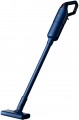 | 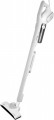 |
|---|---|---|
| Deerma DX1000 | Deerma DX700 | |
| Outdated Product | Compare prices 1 | |
| User reviews | ||
| TOP sellers | ||
| Type | vertical with portable | vertical with portable |
| Source of power | mains | mains |
| Cleaning type | dry | dry |
| Dust collector | cyclone | container |
Specs | ||
| Motor power | 600 W | 600 W |
| Suction force | 16000 Pa | 15000 Pa |
| Dust collector capacity | 0.8 L | |
| Fine filter | HEPA | HEPA |
Nozzles included | ||
| Nozzle functions | combined (floor/carpet) crevice dust | combined (floor/carpet) crevice dust |
More specs | ||
| Noise level | 79 dB | 75 dB |
| Cord length | 5 m | 4.5 m |
| Dimensions (HxWxD) | 115.5x24x20.8 cm | 112.3x26x28.8 cm |
| Weight | 2.2 kg | |
| Color | ||
| Added to E-Catalog | april 2021 | february 2020 |



Compare Deerma DX1000 and DX700
The Deerma DX1000 and DX700 vacuum cleaners have similar characteristics, but there are also important differences. Both devices are upright with a portable type and use a cyclonic dust collection system. However, the DX1000 has greater suction power—16000 Pa compared to 15000 Pa in the DX700, which can provide more efficient cleaning. The noise level of the DX700 is lower—75 dB compared to 79 dB in the DX1000, making it quieter in operation. The cable length of the DX1000 is 5 meters, giving more freedom during cleaning, while the DX700 has a cable length of 4.5 meters. Both vacuum cleaners are equipped with a HEPA filter and have a similar set of attachments. Overall, the choice between them may depend on preferences in noise level and cable length.
Price comparison
You may be interested in
My comparisons
Deerma DX1000 often compared

Deerma DX700 often compared


Glossary
Dust collector
The type of dust collector provided in the design of the vacuum cleaner.
Nowadays, there are three main types of dust collectors — a regular bag, a cyclone system and an aquafilter. Also, in some vacuum cleaners (in particular, industrial and fireplace models — see "Product type") dust collectors in the form of rigid containers (tanks) can be used without additional equipment. For such models, the type of dust collector in our catalogue is not specified. As for the three main types, here are their features:
— Bag. A dust collector in the form of a soft bag, simultaneously plays the role of one of the filters: air passes through the walls of the bag, and most of the contaminants are retained. Such containers are simple and inexpensive, while they can be made quite roomy. In addition, the vacuum cleaner with a bag remains operational in any position of the body. On the other hand, as the bag fills up, suction efficiency drops noticeably; and the cleaning procedure is usually quite troublesome — in particular, a lot of dust is raised into the air. Disposable bags, which are available for many models as an additional accessory, are deprived of such a drawback. However, on the other hand, the purchase of such bags is associated with additional expenses. As a result, this type of dust collector, although very popular in modern vacuum cleaners, is much less common...than the "cyclones" described below.
— Cyclone system (bagless). Dust collector based on a cyclone type air cleaner; usually has the form of a plastic bowl of a special shape. The principle of operation of such systems is that the air flow entering the dust collector is twisted into a spiral. In this case, the centrifugal force throws debris and dust out of the formed vortex, and the collected pollution sinks to the bottom of the dust collector. One of the main advantages of "cyclones" is the ease of cleaning: just turn the container over and the contents pour out of it without additional effort, and if desired, the dust collector can be easily washed. In addition, the suction force is practically independent of the degree of filling of the bowl. However, cyclones are somewhat inferior in capacity to bags, but because of the foregoing, this point is usually not fundamental. But the unequivocal disadvantages of this option are the higher cost of the same bags; a lower suction force for the same engine power; as well as a somewhat lower efficiency of catching fine dust. In light of the latter, "cyclones" have to be equipped with additional filters, which also periodically require cleaning. It is also worth bearing in mind that such systems are most effective with a regular, strictly defined position in space. If you deviate from this standard operational position, the efficiency of the dust collector may noticeably decrease, which leads to rapid clogging of the filters.
— Aquafilter. This type of dust collector looks like a container with water: the air drawn in by the vacuum cleaner passes through the liquid, which traps most of the contaminants. Such systems are highly efficient and hygienic: they capture various contaminants well, including even fine dust, without additional filters. In addition, the air released by the vacuum cleaner is additionally humidified which is especially useful in the cold season, when heating dries the air in the room. At the same time, the procedure for cleaning the dust collector itself is very simple and convenient: after cleaning, its contents can simply be poured into the sewer, while no dust rises into the air (unlike the process of cleaning cyclones and especially bags). On the other hand, it is desirable to wash and dry aquafilters after each use, which somewhat complicates maintenance. In addition, most of these vacuum cleaners are quite expensive, the passage of air through the water creates additional noise, and the water itself significantly increases the weight of the unit.
Separately, it is worth emphasizing that the presence of an aquafilter does not mean that the vacuum cleaner is washing (see above) or at least can wet cleaning (see "Cleaning type"). Quite a few models with an aquafilter work only in a dry format — and vice versa, units with a wet cleaning function may well be equipped with other types of dust collectors.
— Aquafilter + bag. This option means that the vacuum cleaner is equipped with two types of dust collectors at once — an aquafilter and a traditional bag. The features of both are described in detail above. Here we note that such models necessarily have a wet cleaning mode (see above) and/or a water suction function — an aquafilter is used for these purposes. But the bag, anyway, is intended for traditional dry cleaning. In general, this is the most common combination of the two types of dust collectors. The other variants described below are much less common.
— Aquafilter + cyclone. A combination similar to the aquafilter with a bag described above. The delivery set of such a vacuum cleaner includes two types of containers: an aquafilter for wet cleaning and/or water suction (this function can also be provided in vacuum cleaners with purely dry cleaning), as well as a cyclone system (see above) for sry cleaning .
— Cyclone system + bag. A combination found exclusively in dry cleaning models. Similar to the combinations described above, most often we are talking about the presence of two replaceable dust collectors of different types in the kit. The specific type is chosen depending on the situation. So, the cyclone system is convenient for collecting relatively large and heavy contaminants, and the bag handles better with fine dust.
Nowadays, there are three main types of dust collectors — a regular bag, a cyclone system and an aquafilter. Also, in some vacuum cleaners (in particular, industrial and fireplace models — see "Product type") dust collectors in the form of rigid containers (tanks) can be used without additional equipment. For such models, the type of dust collector in our catalogue is not specified. As for the three main types, here are their features:
— Bag. A dust collector in the form of a soft bag, simultaneously plays the role of one of the filters: air passes through the walls of the bag, and most of the contaminants are retained. Such containers are simple and inexpensive, while they can be made quite roomy. In addition, the vacuum cleaner with a bag remains operational in any position of the body. On the other hand, as the bag fills up, suction efficiency drops noticeably; and the cleaning procedure is usually quite troublesome — in particular, a lot of dust is raised into the air. Disposable bags, which are available for many models as an additional accessory, are deprived of such a drawback. However, on the other hand, the purchase of such bags is associated with additional expenses. As a result, this type of dust collector, although very popular in modern vacuum cleaners, is much less common...than the "cyclones" described below.
— Cyclone system (bagless). Dust collector based on a cyclone type air cleaner; usually has the form of a plastic bowl of a special shape. The principle of operation of such systems is that the air flow entering the dust collector is twisted into a spiral. In this case, the centrifugal force throws debris and dust out of the formed vortex, and the collected pollution sinks to the bottom of the dust collector. One of the main advantages of "cyclones" is the ease of cleaning: just turn the container over and the contents pour out of it without additional effort, and if desired, the dust collector can be easily washed. In addition, the suction force is practically independent of the degree of filling of the bowl. However, cyclones are somewhat inferior in capacity to bags, but because of the foregoing, this point is usually not fundamental. But the unequivocal disadvantages of this option are the higher cost of the same bags; a lower suction force for the same engine power; as well as a somewhat lower efficiency of catching fine dust. In light of the latter, "cyclones" have to be equipped with additional filters, which also periodically require cleaning. It is also worth bearing in mind that such systems are most effective with a regular, strictly defined position in space. If you deviate from this standard operational position, the efficiency of the dust collector may noticeably decrease, which leads to rapid clogging of the filters.
— Aquafilter. This type of dust collector looks like a container with water: the air drawn in by the vacuum cleaner passes through the liquid, which traps most of the contaminants. Such systems are highly efficient and hygienic: they capture various contaminants well, including even fine dust, without additional filters. In addition, the air released by the vacuum cleaner is additionally humidified which is especially useful in the cold season, when heating dries the air in the room. At the same time, the procedure for cleaning the dust collector itself is very simple and convenient: after cleaning, its contents can simply be poured into the sewer, while no dust rises into the air (unlike the process of cleaning cyclones and especially bags). On the other hand, it is desirable to wash and dry aquafilters after each use, which somewhat complicates maintenance. In addition, most of these vacuum cleaners are quite expensive, the passage of air through the water creates additional noise, and the water itself significantly increases the weight of the unit.
Separately, it is worth emphasizing that the presence of an aquafilter does not mean that the vacuum cleaner is washing (see above) or at least can wet cleaning (see "Cleaning type"). Quite a few models with an aquafilter work only in a dry format — and vice versa, units with a wet cleaning function may well be equipped with other types of dust collectors.
— Aquafilter + bag. This option means that the vacuum cleaner is equipped with two types of dust collectors at once — an aquafilter and a traditional bag. The features of both are described in detail above. Here we note that such models necessarily have a wet cleaning mode (see above) and/or a water suction function — an aquafilter is used for these purposes. But the bag, anyway, is intended for traditional dry cleaning. In general, this is the most common combination of the two types of dust collectors. The other variants described below are much less common.
— Aquafilter + cyclone. A combination similar to the aquafilter with a bag described above. The delivery set of such a vacuum cleaner includes two types of containers: an aquafilter for wet cleaning and/or water suction (this function can also be provided in vacuum cleaners with purely dry cleaning), as well as a cyclone system (see above) for sry cleaning .
— Cyclone system + bag. A combination found exclusively in dry cleaning models. Similar to the combinations described above, most often we are talking about the presence of two replaceable dust collectors of different types in the kit. The specific type is chosen depending on the situation. So, the cyclone system is convenient for collecting relatively large and heavy contaminants, and the bag handles better with fine dust.
Suction force
The suction force provided by the vacuum cleaner. It is indicated by the maximum vacuum (negative pressure) that the unit can create at the working nozzle.
Note that this parameter is sometimes confused with the suction power described above, which is indicated in watts. Yes, suction force to some extent determines the efficiency of the unit. However, this efficiency also depends on the performance (airflow). And the suction power, indicated in watts, takes into account both of these parameters — it is determined by multiplying the suction force by the performance (see above for more details). For this reason, there is no strict relationship between this force and suction power: for example, a vacuum of 25,000 Pa can be found in models with 250 W, 200 W and even 150 W of power.
As for the practical significance of this spec, in general, a higher suction force allows you to work more efficiently with high resistance. For example, when processing carpets with a long pile. On the other hand, more pascals (with the same number of watts) means less airflow and, accordingly, less efficiency for large amounts of work at low resistance (for example, cleaning large rooms with parquet floors). Thus, it makes sense to pay attention to this indicator mainly in cases where high suction force is fundamental for you. In other cases, it is worth evaluating the capabilities of the vacuum cleaner in terms of suction power in watts.
Note that for a number of...reasons, the suction power is most often specified for robot vacuum cleaners (see “Produc type”). For such models, a value of 1500 Pa and below is considered very small, 1500 – 2000 Pa — medium, 2000 – 2500 Pa — high, more than 2500 Pa — very high.
It is also worth mentioning that the indication of suction force is often used as a publicity trick — to improve the impression of the product. For example, the suction power of 150 watts in itself is quite modest. But at the same time, the suction force of such a vacuum cleaner can be 25,000 Pa — a very impressive figure, especially for an inexperienced buyer, but having a very indirect relation to real efficiency. Especially often, such tricks are used among upright models and the already mentioned robots — these varieties initially do not differ in high power in watts. For many of these units, the characteristics only indicate the vacuum in pascals without specifying the suction power. It further enhances the impression: for example, in the specs of a modest robot, the figure "3000 Pa" looks much more impressive than "40 W". However, such figures have a very weak relation to the real capabilities of the unit and if they are not supplemented by data on suction power in watts, they should be considered solely as bait for a not particularly sophisticated buyer.
Note that this parameter is sometimes confused with the suction power described above, which is indicated in watts. Yes, suction force to some extent determines the efficiency of the unit. However, this efficiency also depends on the performance (airflow). And the suction power, indicated in watts, takes into account both of these parameters — it is determined by multiplying the suction force by the performance (see above for more details). For this reason, there is no strict relationship between this force and suction power: for example, a vacuum of 25,000 Pa can be found in models with 250 W, 200 W and even 150 W of power.
As for the practical significance of this spec, in general, a higher suction force allows you to work more efficiently with high resistance. For example, when processing carpets with a long pile. On the other hand, more pascals (with the same number of watts) means less airflow and, accordingly, less efficiency for large amounts of work at low resistance (for example, cleaning large rooms with parquet floors). Thus, it makes sense to pay attention to this indicator mainly in cases where high suction force is fundamental for you. In other cases, it is worth evaluating the capabilities of the vacuum cleaner in terms of suction power in watts.
Note that for a number of...reasons, the suction power is most often specified for robot vacuum cleaners (see “Produc type”). For such models, a value of 1500 Pa and below is considered very small, 1500 – 2000 Pa — medium, 2000 – 2500 Pa — high, more than 2500 Pa — very high.
It is also worth mentioning that the indication of suction force is often used as a publicity trick — to improve the impression of the product. For example, the suction power of 150 watts in itself is quite modest. But at the same time, the suction force of such a vacuum cleaner can be 25,000 Pa — a very impressive figure, especially for an inexperienced buyer, but having a very indirect relation to real efficiency. Especially often, such tricks are used among upright models and the already mentioned robots — these varieties initially do not differ in high power in watts. For many of these units, the characteristics only indicate the vacuum in pascals without specifying the suction power. It further enhances the impression: for example, in the specs of a modest robot, the figure "3000 Pa" looks much more impressive than "40 W". However, such figures have a very weak relation to the real capabilities of the unit and if they are not supplemented by data on suction power in watts, they should be considered solely as bait for a not particularly sophisticated buyer.
Dust collector capacity
The nominal volume of the dust collector installed in the vacuum cleaner.
This indicator largely depends on the type of unit (see above). For example, in most handheld household models, the capacity does not exceed 0.5 L. The volume of the container in upright vacuum cleaners can be somewhat larger — among the first variety there are quite a few models for 1 – 2 liters or even more, and among the second — by 0.6 – 1 liter and a little more. For conventional vacuum cleaners, the minimum figure is actually about 0.8 – 1 L; dust collectors for 1 – 2 L and 2 – 4 L are very popular in such devices; the maximum capacity is actually 4 – 6 liters — units of a similar layout, but with a larger capacity, are usually referred to as household ones. In turn, relatively small containers are occasionally found among workshop models. However, in vacuum cleaners of this type, the capacity is generally quite large — it can reach 26 – 50 liters or even more ; the same applies to industrial (construction) units.
In general, a larger dust container allows you to work longer without interruptions. On the other hand, a capacious container itself takes up more space and, accordingly, affects the size, weight and price. So when choosing this paramete...r, it is worth considering the actual features of the use of a vacuum cleaner. Here we can give such an example: for a full-scale cleaning of an average city apartment, a capacity of about 1 – 1.5 litres is required. Thus, say, a 4-litre bag allows you to carry out two such cleanings with sufficient efficiency without unloading the vacuum cleaner. There are more detailed recommendations regarding the optimal volume of the dust collector, including specific cleaning options. These recommendations can be found in special sources.
This indicator largely depends on the type of unit (see above). For example, in most handheld household models, the capacity does not exceed 0.5 L. The volume of the container in upright vacuum cleaners can be somewhat larger — among the first variety there are quite a few models for 1 – 2 liters or even more, and among the second — by 0.6 – 1 liter and a little more. For conventional vacuum cleaners, the minimum figure is actually about 0.8 – 1 L; dust collectors for 1 – 2 L and 2 – 4 L are very popular in such devices; the maximum capacity is actually 4 – 6 liters — units of a similar layout, but with a larger capacity, are usually referred to as household ones. In turn, relatively small containers are occasionally found among workshop models. However, in vacuum cleaners of this type, the capacity is generally quite large — it can reach 26 – 50 liters or even more ; the same applies to industrial (construction) units.
In general, a larger dust container allows you to work longer without interruptions. On the other hand, a capacious container itself takes up more space and, accordingly, affects the size, weight and price. So when choosing this paramete...r, it is worth considering the actual features of the use of a vacuum cleaner. Here we can give such an example: for a full-scale cleaning of an average city apartment, a capacity of about 1 – 1.5 litres is required. Thus, say, a 4-litre bag allows you to carry out two such cleanings with sufficient efficiency without unloading the vacuum cleaner. There are more detailed recommendations regarding the optimal volume of the dust collector, including specific cleaning options. These recommendations can be found in special sources.
Noise level
The noise level produced by the vacuum cleaner during operation. Usually, the value for normal operation at maximum engine power is indicated here. With less power, the loudness of the unit may be lower, but the key is precisely the maximum indicator.
Regarding specific numbers, keep in mind that the decibel used to measure the noise level is a non-linear quantity. Therefore, it is worth evaluating specific indicators using special comparative tables. In general, vacuum cleaners are quite noisy appliances; so in this case, models are considered quiet if this indicator does not exceed 65 dB — this is the level of a loud conversation between 2 – 3 people at a distance of 1 m. The quietest of these models give out only 40 dB — this is the average volume of a person’s speech in normal tones (and the minimum volume allowed for constant noise sources in living quarters during the day). For louder units, the comparison table looks like this:
— 66 – 70 dB — loud conversations between several groups of people at a distance of about 1 m;
— 71 – 75 dB — the volume of a cry or laughter in full voice at a distance of about 1 m;
— 76 – 80 dB — the volume of a mechanical alarm clock or the engine of an old truck;
— more than 80 dB — a very high noise level, exceeding the level of a loud scr...eam; when working with a vacuum cleaner having such specifications for a long time, it is highly desirable to use hearing protection.
Also note that the noise level largely depends on the engine power, as well as some other features (for example, it is strongly affected by the presence of an aquafilter — see "Dust collector"). At the same time, there is no hard connection here, and units with a similar set of specifications can differ markedly in actual loudness. In such cases, when choosing here, it is worth proceeding from the fact that a quieter vacuum cleaner will be more comfortable to use. However, it will most likely cost noticeably more.
Regarding specific numbers, keep in mind that the decibel used to measure the noise level is a non-linear quantity. Therefore, it is worth evaluating specific indicators using special comparative tables. In general, vacuum cleaners are quite noisy appliances; so in this case, models are considered quiet if this indicator does not exceed 65 dB — this is the level of a loud conversation between 2 – 3 people at a distance of 1 m. The quietest of these models give out only 40 dB — this is the average volume of a person’s speech in normal tones (and the minimum volume allowed for constant noise sources in living quarters during the day). For louder units, the comparison table looks like this:
— 66 – 70 dB — loud conversations between several groups of people at a distance of about 1 m;
— 71 – 75 dB — the volume of a cry or laughter in full voice at a distance of about 1 m;
— 76 – 80 dB — the volume of a mechanical alarm clock or the engine of an old truck;
— more than 80 dB — a very high noise level, exceeding the level of a loud scr...eam; when working with a vacuum cleaner having such specifications for a long time, it is highly desirable to use hearing protection.
Also note that the noise level largely depends on the engine power, as well as some other features (for example, it is strongly affected by the presence of an aquafilter — see "Dust collector"). At the same time, there is no hard connection here, and units with a similar set of specifications can differ markedly in actual loudness. In such cases, when choosing here, it is worth proceeding from the fact that a quieter vacuum cleaner will be more comfortable to use. However, it will most likely cost noticeably more.
Cord length
The length of the power cord that is equipped with a vacuum cleaner powered by an outlet.
Here we note that manufacturers select the specific length of the cord depending on the general purpose of the unit. In general, the length of 4 – 5 m and less can be called small, 5 – 6 m — medium, 6 – 7 m and 7 – 8 m — more than average, and in some models this figure is more than 8 m. However, a lot depends on the specifics of the vacuum cleaner. For example, among conventional units there are many models with a 4-5 m wire (this is enough for cleaning on the scale of an apartment, a private house or a small office space), but for industrial solutions this is a very limited indicator.
Keep in mind that a longer power cord is not always more convenient. On the one hand, it provides more freedom when working. On the other hand, it can create inconvenience at a short distance from the outlet as well as during storage/transportation. In addition, you can use an extension cord to work away from the outlet. So when choosing, you need to take into account the specific needs of the use of a vacuum cleaner. Detailed recommendations for different situations can be found in special sources.
Here we note that manufacturers select the specific length of the cord depending on the general purpose of the unit. In general, the length of 4 – 5 m and less can be called small, 5 – 6 m — medium, 6 – 7 m and 7 – 8 m — more than average, and in some models this figure is more than 8 m. However, a lot depends on the specifics of the vacuum cleaner. For example, among conventional units there are many models with a 4-5 m wire (this is enough for cleaning on the scale of an apartment, a private house or a small office space), but for industrial solutions this is a very limited indicator.
Keep in mind that a longer power cord is not always more convenient. On the one hand, it provides more freedom when working. On the other hand, it can create inconvenience at a short distance from the outlet as well as during storage/transportation. In addition, you can use an extension cord to work away from the outlet. So when choosing, you need to take into account the specific needs of the use of a vacuum cleaner. Detailed recommendations for different situations can be found in special sources.