
Comparison Amigo GO009 vs Amigo GO005
Add to comparison | 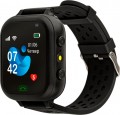 | 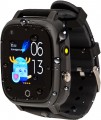 |
|---|---|---|
| Amigo GO009 | Amigo GO005 | |
| Outdated Product | Outdated Product | |
| User reviews | ||
| TOP sellers | ||
4G support. Built-in thermometer, heart rate monitor, oximeter and pressure sensor. | ||
| Type | kid wearable beacon | kid wearable beacon |
| Interface | Bluetooth v4.0 | |
| Gadget OS | Nucleus | |
Telephony | ||
| SIM card support | nano-SIM | nano-SIM |
| Communication standard | 2G (GSM) | |
| Calls and alerts | notifications sound signal vibration built-in microphone built-in speaker | notifications sound signal vibration built-in microphone built-in speaker |
Sports and tourism | ||
| Possible measurements | number of steps distance traveled | heart rate monitor pressure (tonometer) blood oxygen level body temperature number of steps distance traveled |
| Navigation | GPS module | GPS module |
Parental control | ||
| Remote tracking | GSM+GPS+Wi-Fi | GSM+GPS+Wi-Fi |
| Perimeter control (geozone) |  | |
| Remote microphone activation | | |
| SOS button | | |
| Speed dial |  | |
Display | ||
| Touch screen | | |
| Type | colour | colour |
| Display type | IPS | IPS |
| Size | 1.44 " | 1.44 " |
| Screen resolution | 240x240 px | 240x240 px |
| PPI | 236 ppi | 236 ppi |
Hardware | ||
| RAM | 32 MB | |
| Memory storage | 512 MB | |
| Extra features | Wi-Fi accelerometer camera flashlight | Wi-Fi accelerometer camera flashlight |
Power source | ||
| Device charging | microUSB | magnetic |
| Source of power | Li-Ion | Li-Ion |
| Battery capacity | 400 mAh | |
| Operating time (normal mode) | 48 h | 48 h |
| Operating time (active mode) | 24 h | |
Case and strap | ||
| Material | plastic | plastic |
| Strap | removable | removable |
| Strap Options | rubber/silicone | rubber/silicone |
| Straps included | 2 | |
| Clasp options | classic buckle | classic buckle |
General | ||
| Protection rating | IPX4 | IP67 |
| Dimensions (without strap) | 45x40x14 mm | 47x47x15 mm |
| Weight | 38 g | 45 g |
| Color | ||
| Added to E-Catalog | july 2023 | march 2021 |


Compare Amigo GO009 and GO005
You may be interested in
My comparisons
Amigo GO009 often compared


Glossary
Interface
The primary way to connect a wrist gadget with external devices. For smartwatches and fitness bands (see "Type"), it is assumed to be connected to a smartphone or tablet, while in the case of watch-phones, it's usually about headsets.
— Bluetooth. A wireless technology for direct communication between various devices. There are different versions that indicate the device's capabilities.
— Bluetooth. A wireless technology for direct communication between various devices. There are different versions that indicate the device's capabilities.
- — 5.0. The fifth generation of Bluetooth was released in 2016. The key innovation in version 5.0 was expanding the capabilities related to the "Internet of Things." For example, the Bluetooth Low Energy protocol introduced the ability to double data transfer speed (up to 2 Mbps) at the cost of reducing range, as well as quadruple the range at the cost of reducing speed; additionally, several improvements were introduced concerning simultaneous operation with a large number of connected devices.
- — v 5.1. An update of the version v 5.0 described above. In addition to general improvements in connection quality and reliability, this update implemented an interesting feature such as determining the direction from which the Bluetooth signal comes. This makes it possible to determine the location of connected devices with centimeter accuracy.
- — v 5.2. The update following 5.1 of the fifth-generation Bluetooth. The main innovations in this version included several security improvements, additional optimization of power consumption in LE mode, and a new audio signal format for synchronizing parallel playback on multiple devices.
- — v 5.3.... The Bluetooth v 5.3 wireless communication protocol was introduced in early 2022. Innovations included speeding up the process of coordinating the communication channel between the controller and the device, implementing a feature for rapid switching between low-duty cycle and high-speed modes, improved bandwidth and connection stability by reducing susceptibility to interference. In the event of unexpected interference in Low Energy mode, the procedure for selecting a communication channel for switching is sped up. There were no fundamental innovations in protocol 5.3; however, it is evident that there are several qualitative improvements.
- — v 5.4. The standard generation approved in 2023, which became an intermediate step before Bluetooth 6. The main innovation was the introduction of the PAwR (Periodic Advertising with Responses) mode, allowing watches and other devices to exchange data in large sensor networks with minimal power consumption. Also added was the Encrypted Advertising Data mechanism, enhancing protection against eavesdropping and packet forgery, which is important when using watches for contactless keys or payments. Compared to earlier versions 5.2 and 5.3, Bluetooth 5.4 focuses on security, energy efficiency, and operation in a "noisy" radio environment. In real-world use, this is manifested in more stable data transmission from sensors (heart rate, steps, sleep), battery savings with constant phone connection, and the reliability of functions like notifications or fitness tracking even with many connected devices around.
- — v 6.0. Bluetooth 6 has been officially approved by Bluetooth SIG and offers a number of significant benefits in smartwatches compared to version 5.4. Thanks to the improved Channel Sounding system and LE Audio optimization, such devices maintain connections faster and more stably, determine the distance to the smartphone more accurately (to centimeters), lose frames less frequently during calls or Auracast broadcasts, and provide longer battery life. In practice, this manifests in functions like unlocking a laptop upon approach, precise indoor watch search, reliable operation of heart rate sensors and sports sensors, as well as stable calls even in crowded gyms.
Naturally, to utilize all the capabilities of a particular Bluetooth version, it must be supported not only by the gadget itself but also by the smartphone/tablet to which it is connected.
Gadget OS
The operating system installed on the gadget itself.
In this case, we do not mean basic firmware, but rather a full-fledged OS that provides extensive capabilities. For example, allowing you to install additional applications or functionally tailored for close integration with certain web services. The most popular operating system options for wrist gadgets are presented below:
– Android. The Android mobile OS is known mainly for smartphones and tablets, but its open source code allows it to be optimized for other devices, including wrist devices. Note that traditional Android applications are generally poorly compatible with wrist gadgets, but some programs are able to automatically adapt to such devices, and specialized software is also produced for certain models (often by the manufacturers themselves).
– WatchOS. An operating system specially designed for Apple wrist gadgets and used only in them. Among the key features, it is worth noting support for the Siri voice assistant and the Apple Pay system, a set of fitness tools, as well as a high degree of optimization for Apple Watch controls. WatchOS uses its own applications, which can also be created by third-party developers.
– Wear OS. The system formerly known as Android Wear. This is a specific version of Android, originally developed as a solution for “smart” wrist gadgets. It features a radically redes...igned interface, close integration with the Google Assistant voice assistant, and so-called proactive notifications. Thanks to the latter, the device is able to independently, without a request, issue extended tips for a certain situation: for example, before an important meeting, plot a route on the map taking into account traffic jams and, if necessary, turn on a reminder earlier than the originally planned time.
— Nucleus. Quite a rare and unusual “OS”: it does not belong to a general-purpose OS, but to real-time systems. Such systems are optimized for the fastest possible response to external events (whereas in conventional operating systems the reaction occurs depending on the distribution of resources). Specifically, Nucleus has all the capabilities necessary for wrist gadgets, however, for a number of reasons, such firmware is quite rare.
— Tizen. An open operating system for mobile devices, primarily promoted by Samsung. As with Android, the original Tizen is poorly suited for smartwatches, so we usually talk about a special version of Tizen Wearable. It is worth noting that there are tools that allow you to run Android applications on devices running this OS.
– ColorOS. A system developed by OPPO and used in its mobile devices. Directly for smart watches, the operating system is presented in the form of ColorOS Watch - the system interface is optimized for use on small screens and includes tools for tracking the user’s physical activity, monitoring sleep and health, managing notifications, etc. Moreover, smartwatches powered by ColorOS Watch can serve as a digital key for some modern Chinese-made cars.
– HarmonyOS. Huawei's universal operating system, also known as Hongmeng. Provides operation of a wide range of devices: equipment from the smart home ecosystem, smart watches, smartphones and tablets. Onboard wearables, HarmonyOS is a redesigned version of the homegrown Lite OS used in Huawei watches and other low-end devices.
– Zepp OS. A specialized real-time system for Amazfit and Zepp smartwatches. It is an open platform for health management and activity tracking, based on the principles of ease, fluidity and practicality. One notable feature of the OS is support for cloud Internet service applications (like Spotify, SoundCloud, etc.).
– Lite OS. A lightweight system for wearable gadgets with limited computing power, used in some simple smartwatch models from Huawei. A more advanced version of the operating system for such devices from the manufacturer is HarmonyOS (see above).
– Fitbit OS. An operating system developed for Fitbit wrist gadgets and used only in them. Fitbit OS supports the installation of various applications on smart watches, the system implements gesture control, and many widgets and watch faces have been released for it. The operating system also provides targeted exercise modes and the possibility of contactless payment for purchases in stores using the NFC chip of the watch using the Fitbit Pay program.
– Moto Watch OS. Proprietary software for Motorola smart watches from the category of real-time systems. Moto Watch OS is designed with an eye toward accurate health tracking, the OS also collects information about user activity, supports receiving notifications from a connected smartphone, and ensures maximum battery life for the wearable gadget. Note that the operating system does not support installing applications from third-party developers - you will have to be content with pre-installed tools and programs.
– MagicOS. An operating system specially designed for Honor wrist gadgets and used only in them. In appearance and in terms of its set of capabilities, it is very similar to the related operating system HarmonyOS, which is found in Huawei wearable devices. It is argued that MagicOS has its own philosophy and development vector.
– BlueOS. Vivo's own OS, which can run a wide range of devices - from mobile phones and tablets to smart watches. In fact, the system’s debut took place on board wearable gadgets in 2023. The “operating system” is written in the Rust programming language with an emphasis on maximum protection of user data. A distinctive feature of BlueOS is generative artificial intelligence. Thus, Vivo smart watches have already implemented the function of creating dials by voice with the participation of AI.
– HyperOS. A unified Linux-based operating system for Xiaomi smart devices. But if in mobile phones HyperOS has replaced the proprietary MIUI shell, then in the smartwatch segment this is something new. The emphasis in Xiaomi's operating system is on the close interconnection of all devices running HyperOS within a single ecosystem.
In this case, we do not mean basic firmware, but rather a full-fledged OS that provides extensive capabilities. For example, allowing you to install additional applications or functionally tailored for close integration with certain web services. The most popular operating system options for wrist gadgets are presented below:
– Android. The Android mobile OS is known mainly for smartphones and tablets, but its open source code allows it to be optimized for other devices, including wrist devices. Note that traditional Android applications are generally poorly compatible with wrist gadgets, but some programs are able to automatically adapt to such devices, and specialized software is also produced for certain models (often by the manufacturers themselves).
– WatchOS. An operating system specially designed for Apple wrist gadgets and used only in them. Among the key features, it is worth noting support for the Siri voice assistant and the Apple Pay system, a set of fitness tools, as well as a high degree of optimization for Apple Watch controls. WatchOS uses its own applications, which can also be created by third-party developers.
– Wear OS. The system formerly known as Android Wear. This is a specific version of Android, originally developed as a solution for “smart” wrist gadgets. It features a radically redes...igned interface, close integration with the Google Assistant voice assistant, and so-called proactive notifications. Thanks to the latter, the device is able to independently, without a request, issue extended tips for a certain situation: for example, before an important meeting, plot a route on the map taking into account traffic jams and, if necessary, turn on a reminder earlier than the originally planned time.
— Nucleus. Quite a rare and unusual “OS”: it does not belong to a general-purpose OS, but to real-time systems. Such systems are optimized for the fastest possible response to external events (whereas in conventional operating systems the reaction occurs depending on the distribution of resources). Specifically, Nucleus has all the capabilities necessary for wrist gadgets, however, for a number of reasons, such firmware is quite rare.
— Tizen. An open operating system for mobile devices, primarily promoted by Samsung. As with Android, the original Tizen is poorly suited for smartwatches, so we usually talk about a special version of Tizen Wearable. It is worth noting that there are tools that allow you to run Android applications on devices running this OS.
– ColorOS. A system developed by OPPO and used in its mobile devices. Directly for smart watches, the operating system is presented in the form of ColorOS Watch - the system interface is optimized for use on small screens and includes tools for tracking the user’s physical activity, monitoring sleep and health, managing notifications, etc. Moreover, smartwatches powered by ColorOS Watch can serve as a digital key for some modern Chinese-made cars.
– HarmonyOS. Huawei's universal operating system, also known as Hongmeng. Provides operation of a wide range of devices: equipment from the smart home ecosystem, smart watches, smartphones and tablets. Onboard wearables, HarmonyOS is a redesigned version of the homegrown Lite OS used in Huawei watches and other low-end devices.
– Zepp OS. A specialized real-time system for Amazfit and Zepp smartwatches. It is an open platform for health management and activity tracking, based on the principles of ease, fluidity and practicality. One notable feature of the OS is support for cloud Internet service applications (like Spotify, SoundCloud, etc.).
– Lite OS. A lightweight system for wearable gadgets with limited computing power, used in some simple smartwatch models from Huawei. A more advanced version of the operating system for such devices from the manufacturer is HarmonyOS (see above).
– Fitbit OS. An operating system developed for Fitbit wrist gadgets and used only in them. Fitbit OS supports the installation of various applications on smart watches, the system implements gesture control, and many widgets and watch faces have been released for it. The operating system also provides targeted exercise modes and the possibility of contactless payment for purchases in stores using the NFC chip of the watch using the Fitbit Pay program.
– Moto Watch OS. Proprietary software for Motorola smart watches from the category of real-time systems. Moto Watch OS is designed with an eye toward accurate health tracking, the OS also collects information about user activity, supports receiving notifications from a connected smartphone, and ensures maximum battery life for the wearable gadget. Note that the operating system does not support installing applications from third-party developers - you will have to be content with pre-installed tools and programs.
– MagicOS. An operating system specially designed for Honor wrist gadgets and used only in them. In appearance and in terms of its set of capabilities, it is very similar to the related operating system HarmonyOS, which is found in Huawei wearable devices. It is argued that MagicOS has its own philosophy and development vector.
– BlueOS. Vivo's own OS, which can run a wide range of devices - from mobile phones and tablets to smart watches. In fact, the system’s debut took place on board wearable gadgets in 2023. The “operating system” is written in the Rust programming language with an emphasis on maximum protection of user data. A distinctive feature of BlueOS is generative artificial intelligence. Thus, Vivo smart watches have already implemented the function of creating dials by voice with the participation of AI.
– HyperOS. A unified Linux-based operating system for Xiaomi smart devices. But if in mobile phones HyperOS has replaced the proprietary MIUI shell, then in the smartwatch segment this is something new. The emphasis in Xiaomi's operating system is on the close interconnection of all devices running HyperOS within a single ecosystem.
Communication standard
Connectivity standards supported by the watch. Today, several standards from different generations are widely used: GSM, 3G, 4G (LTE), 5G. They differ both in their characteristics and in how widely they are available in different countries:
— GSM. The earliest cellular standard still found in modern phones. It belongs to the second generation (2G). It allows voice calls with acceptable audio quality and data transfer speeds up to 474 kbps (when using EDGE technology). Nowadays GSM is considered definitively outdated and has been almost universally displaced by more advanced next‑generation standards (3G, 4G, etc.).
— 3G. This standard is an evolution of GSM; such networks are often deployed on the basis of existing 2G infrastructure and can also serve GSM phones without issues. It provides data speeds from 2 to 70 Mbps, depending on the additional technologies implemented by a particular carrier. This is already comparable to fixed Internet access.
— 4G (LTE). Fourth‑generation connectivity based on the LTE standard. LTE is a further development of 3G, deployed on the same technical foundation, but it operates at higher speeds — up to 173 Mbps, comparable to full‑fledged broadband Internet. LTE networks are commercially deployed in many countries around the world, but far from everywhere; therefore, before buying a 4G‑compatible gadget, it’s worth checking whether you will be able to use all its capabilities in your area.
— 5G. The n...ext step after 4G in mobile standards. The official specifications of this generation claim a peak speed of 20 Gbps downlink and 10 Gbps uplink, a guaranteed speed (under high network load) of 100 and 50 Mbps respectively, as well as a set of solutions aimed at improving reliability and overall connection quality. This set includes, in particular, large‑scale antenna arrays (Massive MIMO) and beamforming technologies (Beamforming) at base stations, as well as the possibility of direct communication between subscriber devices. At the same time, this standard reduces power consumption compared to its predecessors.
— GSM. The earliest cellular standard still found in modern phones. It belongs to the second generation (2G). It allows voice calls with acceptable audio quality and data transfer speeds up to 474 kbps (when using EDGE technology). Nowadays GSM is considered definitively outdated and has been almost universally displaced by more advanced next‑generation standards (3G, 4G, etc.).
— 3G. This standard is an evolution of GSM; such networks are often deployed on the basis of existing 2G infrastructure and can also serve GSM phones without issues. It provides data speeds from 2 to 70 Mbps, depending on the additional technologies implemented by a particular carrier. This is already comparable to fixed Internet access.
— 4G (LTE). Fourth‑generation connectivity based on the LTE standard. LTE is a further development of 3G, deployed on the same technical foundation, but it operates at higher speeds — up to 173 Mbps, comparable to full‑fledged broadband Internet. LTE networks are commercially deployed in many countries around the world, but far from everywhere; therefore, before buying a 4G‑compatible gadget, it’s worth checking whether you will be able to use all its capabilities in your area.
— 5G. The n...ext step after 4G in mobile standards. The official specifications of this generation claim a peak speed of 20 Gbps downlink and 10 Gbps uplink, a guaranteed speed (under high network load) of 100 and 50 Mbps respectively, as well as a set of solutions aimed at improving reliability and overall connection quality. This set includes, in particular, large‑scale antenna arrays (Massive MIMO) and beamforming technologies (Beamforming) at base stations, as well as the possibility of direct communication between subscriber devices. At the same time, this standard reduces power consumption compared to its predecessors.
Possible measurements
Types of sports and medical data collected by the gadget (plus some features of a similar purpose, such as sleep tracking, smart alarms, stress levels and women's calendar). Note that the features from this list can be found not only in specialized fitness trackers (see "Type"), but also in more traditional devices like smartwatches. Here are the most popular options:
— Pulse rate. Heart rate is one of the most important physiological parameters of a person. So that sports training is as effective as possible, the heart rate must be in a certain range (the specific value depends on the purpose of the training and the personal data of the user). And for some illnesses and treatments, a faster or slower heart rate can be an important signal, including a warning of danger.
— Pressure (tonometer). A sensor that measures the user's blood pressure. Note that the accuracy of such a sensor is usually quite low, the measurement error can be 10% or even more; so it will not replace a full-fledged medical tonometer. On the other hand, a gadget with this feature is quite capable of detecting a critical increase or decrease in pressure, which will allow you to take the necessary measures in a timely manner.
— ECG. A sen...sor that allows you to get detailed data about the work of the user's heart. Note that such a sensor is not a full-fledged electrocardiograph — in fact, it is an advanced type of heart rate monitor that can track the features of the heart rhythm. However, even this is enough to detect some dangerous phenomena — for example, atrial fibrillation, which at first is imperceptible to a person — and take appropriate measures in time.
— The blood oxygen. A sensor (the so-called pulse oximeter) that determines the saturation of the blood with oxygen (saturation); at the same time, the measurement is carried out by a non-invasive method — without punctures and other damage to the skin. Like most medical sensors in wearable gadgets, it is not accurate and is not a full-fledged medical device, but it is quite capable of responding to a critical decrease in the level of oxygen in the blood. It is believed that the presence of a pulse oximeter is relevant primarily for certain diseases, when saturation may decrease due to the disease itself or the characteristics of the treatment being taken. However, this feature can also be useful for quite healthy users who often travel at high altitudes — primarily climbers and aeronauts.
— Body temperature. The presence of a sensor for measuring temperature allows you to take measurements without the use of thermometers. Naturally, errors can occur, so a slight deviation from the norm may not be determined, but the device will easily fix a significant increase in temperature.
— T° of the environment. Even though smartwatches are worn on the body, the built-in sensors in them are usually designed to measure the ambient temperature. This information can be useful both for a general assessment of the surrounding conditions, and for specific purposes — in particular, weather forecasting. It is not uncommon for watches with this feature to also have a barometer (see "Navigation").
— Number of steps. The traditional pedometer is a feature for counting the number of steps taken by the user. These measurements usually use data from the accelerometer, and the results are quite accurate: most modern accelerometers are well calibrated and are quite capable of distinguishing tremors during steps from hand waves and other extraneous movements. The exception is trips in land transport: many wearable gadgets perceive shaking as steps, which should be taken into account when evaluating the results.
— Distance travelled. Measurement of the total distance traveled by the user. For this, either data from a pedometer or a GPS module are usually used (see "Navigation"); each option has its own merits. So, the pedometer is cheaper, it can be used even in rooms without windows, where the signal from satellites does not reach, and on simulators like treadmills, where the user does not move relative to the ground. GPS, in turn, gives higher accuracy, especially over long distances, and is not prone to false positives in vehicles. In some advanced gadgets, these methods can be combined — this is not cheap, but it allows you to combine the advantages of both options and achieve maximum accuracy.
— Movement speed. Determining the speed of the user's movement. As with distance travelled, measurement can be done in a variety of ways; see above for more details. Also note here that many gadgets with this feature are able not only to determine the current speed, but also to constantly record its value and display various indicators: the maximum achieved speed, the average value for training, etc.
— Energy spent (calories). Measurement of the number of calories burned by the user in the process of movement. These data are rather approximate, as they are calculated by indirect parameters (speed and range of movement, personal specs of a person, etc.). However, even this accuracy is quite enough to determine the overall effectiveness of training.
— The amount of fat burned. Measuring the amount of fat burned per workout. As in the case of calories (see above), the result of such measurements is quite approximate. However, in fact, absolute accuracy is not required, and fat loss data can be a powerful motivator.
— Activity time. A measurement of the total time during which the user is actively moving. In many models, such metering may provide additional options, such as fixing several periods of activity with breaks between them and determining the ratio between the time of movement and the time of rest.
— Smart alarm. An alarm clock that monitors the user's sleep phases and gives a signal to wake up at the optimal time for this. Human sleep consists of alternating phases, and waking up in the unfortunate phase creates a feeling of lethargy and fatigue, even if there was enough time to sleep. A smart alarm clock avoids such situations; its work is based on tracking the pulse, breathing rate and other parameters that differ depending on the phase of sleep. Note that the deviation of the signal from the set time can be up to half an hour, but this is usually a deviation towards an earlier rise. As a result, the risk of being late with a smart alarm clock is close to zero, and the lack of sleep time is compensated by the optimal moment of awakening.
— Sleep tracking. Sleep quality assessment is based on data from on-board sensors of fitness trackers or smartwatches. In particular, the heart rate monitor controls the number of contractions of the heart muscle, the accelerometer controls the user's movements. A blood oxygen sensor, if available on the wearable, improves the accuracy of sleep quality data collection. According to the readings of the sensors, the moments of entering and exiting the deep sleep phase are recorded. It is during this period that the restoration of the nervous system and the accumulation of energy for the coming day take place. In deep sleep, a person can completely reboot and gain strength, while in REM sleep, brain activity practically does not differ from the state of wakefulness. The sleep quality analysis feature helps you determine the best time to go to sleep and provides personalized recommendations to improve your night's sleep.
— The level of stress. The level of stress of the body allows you to evaluate the metric that determines the variability of the heartbeat — the difference in time between successive contractions of the heart muscle. Respiration rate, maximum oxygen consumption and excess oxygen consumption after exercise are also taken into account. The stress level score gives a clear picture of the user's experience during the day, however, the value of this parameter is in determining the most optimal body regimen for training. A high heart rate variability usually indicates you are in good shape for playing sports, while a low one can indicate fatigue, dehydration, or feeling unwell. All this directly affects the ability to train effectively. There are no clear units for measuring the level of stress — in smartwatches, the parameter is usually shown as a scale from 0 to 100, often indicating the number of hours the body is under stress and the time it takes to recover to a normal state.
— Women's calendar. The tool for tracking the menstrual cycle keeps abreast of the events of the expected dates of the menstrual period, allows you to determine the most favorable days for conception, helps to notice alarming symptoms in time and prevent many diseases in case of cycle disorders. Based on your total cycle length, the device calculates a predicted date for your next period. The women's calendar records cycle dates, fertility windows, and the day of ovulation. By adding your own notes to it, you can track fluctuations in sleep, appetite, fitness, mood changes and predict well-being for a particular day.
In addition to those described above, more specific types of measurements can be found in modern wearable gadgets.
— Pulse rate. Heart rate is one of the most important physiological parameters of a person. So that sports training is as effective as possible, the heart rate must be in a certain range (the specific value depends on the purpose of the training and the personal data of the user). And for some illnesses and treatments, a faster or slower heart rate can be an important signal, including a warning of danger.
— Pressure (tonometer). A sensor that measures the user's blood pressure. Note that the accuracy of such a sensor is usually quite low, the measurement error can be 10% or even more; so it will not replace a full-fledged medical tonometer. On the other hand, a gadget with this feature is quite capable of detecting a critical increase or decrease in pressure, which will allow you to take the necessary measures in a timely manner.
— ECG. A sen...sor that allows you to get detailed data about the work of the user's heart. Note that such a sensor is not a full-fledged electrocardiograph — in fact, it is an advanced type of heart rate monitor that can track the features of the heart rhythm. However, even this is enough to detect some dangerous phenomena — for example, atrial fibrillation, which at first is imperceptible to a person — and take appropriate measures in time.
— The blood oxygen. A sensor (the so-called pulse oximeter) that determines the saturation of the blood with oxygen (saturation); at the same time, the measurement is carried out by a non-invasive method — without punctures and other damage to the skin. Like most medical sensors in wearable gadgets, it is not accurate and is not a full-fledged medical device, but it is quite capable of responding to a critical decrease in the level of oxygen in the blood. It is believed that the presence of a pulse oximeter is relevant primarily for certain diseases, when saturation may decrease due to the disease itself or the characteristics of the treatment being taken. However, this feature can also be useful for quite healthy users who often travel at high altitudes — primarily climbers and aeronauts.
— Body temperature. The presence of a sensor for measuring temperature allows you to take measurements without the use of thermometers. Naturally, errors can occur, so a slight deviation from the norm may not be determined, but the device will easily fix a significant increase in temperature.
— T° of the environment. Even though smartwatches are worn on the body, the built-in sensors in them are usually designed to measure the ambient temperature. This information can be useful both for a general assessment of the surrounding conditions, and for specific purposes — in particular, weather forecasting. It is not uncommon for watches with this feature to also have a barometer (see "Navigation").
— Number of steps. The traditional pedometer is a feature for counting the number of steps taken by the user. These measurements usually use data from the accelerometer, and the results are quite accurate: most modern accelerometers are well calibrated and are quite capable of distinguishing tremors during steps from hand waves and other extraneous movements. The exception is trips in land transport: many wearable gadgets perceive shaking as steps, which should be taken into account when evaluating the results.
— Distance travelled. Measurement of the total distance traveled by the user. For this, either data from a pedometer or a GPS module are usually used (see "Navigation"); each option has its own merits. So, the pedometer is cheaper, it can be used even in rooms without windows, where the signal from satellites does not reach, and on simulators like treadmills, where the user does not move relative to the ground. GPS, in turn, gives higher accuracy, especially over long distances, and is not prone to false positives in vehicles. In some advanced gadgets, these methods can be combined — this is not cheap, but it allows you to combine the advantages of both options and achieve maximum accuracy.
— Movement speed. Determining the speed of the user's movement. As with distance travelled, measurement can be done in a variety of ways; see above for more details. Also note here that many gadgets with this feature are able not only to determine the current speed, but also to constantly record its value and display various indicators: the maximum achieved speed, the average value for training, etc.
— Energy spent (calories). Measurement of the number of calories burned by the user in the process of movement. These data are rather approximate, as they are calculated by indirect parameters (speed and range of movement, personal specs of a person, etc.). However, even this accuracy is quite enough to determine the overall effectiveness of training.
— The amount of fat burned. Measuring the amount of fat burned per workout. As in the case of calories (see above), the result of such measurements is quite approximate. However, in fact, absolute accuracy is not required, and fat loss data can be a powerful motivator.
— Activity time. A measurement of the total time during which the user is actively moving. In many models, such metering may provide additional options, such as fixing several periods of activity with breaks between them and determining the ratio between the time of movement and the time of rest.
— Smart alarm. An alarm clock that monitors the user's sleep phases and gives a signal to wake up at the optimal time for this. Human sleep consists of alternating phases, and waking up in the unfortunate phase creates a feeling of lethargy and fatigue, even if there was enough time to sleep. A smart alarm clock avoids such situations; its work is based on tracking the pulse, breathing rate and other parameters that differ depending on the phase of sleep. Note that the deviation of the signal from the set time can be up to half an hour, but this is usually a deviation towards an earlier rise. As a result, the risk of being late with a smart alarm clock is close to zero, and the lack of sleep time is compensated by the optimal moment of awakening.
— Sleep tracking. Sleep quality assessment is based on data from on-board sensors of fitness trackers or smartwatches. In particular, the heart rate monitor controls the number of contractions of the heart muscle, the accelerometer controls the user's movements. A blood oxygen sensor, if available on the wearable, improves the accuracy of sleep quality data collection. According to the readings of the sensors, the moments of entering and exiting the deep sleep phase are recorded. It is during this period that the restoration of the nervous system and the accumulation of energy for the coming day take place. In deep sleep, a person can completely reboot and gain strength, while in REM sleep, brain activity practically does not differ from the state of wakefulness. The sleep quality analysis feature helps you determine the best time to go to sleep and provides personalized recommendations to improve your night's sleep.
— The level of stress. The level of stress of the body allows you to evaluate the metric that determines the variability of the heartbeat — the difference in time between successive contractions of the heart muscle. Respiration rate, maximum oxygen consumption and excess oxygen consumption after exercise are also taken into account. The stress level score gives a clear picture of the user's experience during the day, however, the value of this parameter is in determining the most optimal body regimen for training. A high heart rate variability usually indicates you are in good shape for playing sports, while a low one can indicate fatigue, dehydration, or feeling unwell. All this directly affects the ability to train effectively. There are no clear units for measuring the level of stress — in smartwatches, the parameter is usually shown as a scale from 0 to 100, often indicating the number of hours the body is under stress and the time it takes to recover to a normal state.
— Women's calendar. The tool for tracking the menstrual cycle keeps abreast of the events of the expected dates of the menstrual period, allows you to determine the most favorable days for conception, helps to notice alarming symptoms in time and prevent many diseases in case of cycle disorders. Based on your total cycle length, the device calculates a predicted date for your next period. The women's calendar records cycle dates, fertility windows, and the day of ovulation. By adding your own notes to it, you can track fluctuations in sleep, appetite, fitness, mood changes and predict well-being for a particular day.
In addition to those described above, more specific types of measurements can be found in modern wearable gadgets.
Speed dial
A feature that allows the child to quickly — literally in one or two button presses — dial the numbers stored in the gadget's memory. The specific features of this may vary depending on the model. For example, beacons for the smallest ones often provide only one button and only one number for speed dialing ; in more advanced models, there may already be two buttons. Anyway, such an opportunity greatly facilitates communication with the parent; and even in an emergency, it can be no less useful than the SOS button (see above).
RAM
The amount of random access memory (RAM) installed in the gadget.
This parameter is one of the key ones for the overall performance of the system: the more RAM, the faster the device works, the easier it is to handle tasks with high hardware requirements and the wider the set of applications that the gadget is able to run. Note that a large amount of RAM can compensate for even a relatively weak CPU. At the same time, you need to remember that different operating systems (see above) have different requirements for RAM and features of its use; therefore, only models on the same software platform can be compared by this indicator.
This parameter is one of the key ones for the overall performance of the system: the more RAM, the faster the device works, the easier it is to handle tasks with high hardware requirements and the wider the set of applications that the gadget is able to run. Note that a large amount of RAM can compensate for even a relatively weak CPU. At the same time, you need to remember that different operating systems (see above) have different requirements for RAM and features of its use; therefore, only models on the same software platform can be compared by this indicator.
Memory storage
The amount of own storage provided in the design of the watch/bracelet. This memory is used for permanent storage of various information: call log, received SMS and other messages, additional applications, data on physical activity for a certain time, etc. The larger its volume, the more data can be stored in the device without the need to clean it to free up space. On the other hand, in the operation of smartwatches, large volumes ( 64 GB, 32 GB, 16 GB, even 8 GB and 4 GB) are not always required, capacious drives are quite expensive, and replaceable cards installed in corresponding slot (see below).
Device charging
The method of charging the battery provided in the gadget.
— MicroUSB. Charging via standard microUSB port. The main advantage of this option is the ability to charge from any microUSB cable or charger with such a connector, not necessarily branded. On the other hand, the connector itself is quite large by the standards of wrist devices and can significantly affect the increase in the dimensions of the gadget.
— USB type C. A compact version of the USB interface with a reversible design that allows the plug to be inserted in either direction. The USB type C specification provides for a number of advanced power options - in particular, various fast charging technologies have been developed for this connector.
- Branded connector. Charging via a cable that connects to the watch using the original proprietary interface. The other end of the cable, as a rule, has a standard interface - most often USB, which allows you to use any computer port or network adapter with such a connector for charging. Branded connectors can be smaller than microUSB, and fit better into the layout of the clock. However, for charging, as a rule, you have to use only original accessories, including branded cradles-stands, which are intended mainly for permanent stay in one place.
- Wireless. The main advantage of wireless c...harging technology is the absence of any connectors - which is important, given the miniature size of wrist gadgets. At the same time, this method takes more time and significantly affects the cost of the device. Note that wireless charging is not contactless: the corresponding chargers can take the form of a stand or platform on which you need to put the watch, or a magnet attached to the back cover of the gadget, etc.
- Magnetic. Charging via a cable with convex metal contacts that are magnetized to the connector on the back cover of the wearable gadget. The magnetic contact group has no gaps, which improves the dust and moisture protection qualities of the smartwatch, and the charging plug itself is attracted to the magnetic connector, eliminating the need to look for the correct position for connecting the cable.
- USB A connector. The presence of a built-in connector allows you to connect the gadget directly to the charger, laptop, power bank without using additional cables.
— MicroUSB. Charging via standard microUSB port. The main advantage of this option is the ability to charge from any microUSB cable or charger with such a connector, not necessarily branded. On the other hand, the connector itself is quite large by the standards of wrist devices and can significantly affect the increase in the dimensions of the gadget.
— USB type C. A compact version of the USB interface with a reversible design that allows the plug to be inserted in either direction. The USB type C specification provides for a number of advanced power options - in particular, various fast charging technologies have been developed for this connector.
- Branded connector. Charging via a cable that connects to the watch using the original proprietary interface. The other end of the cable, as a rule, has a standard interface - most often USB, which allows you to use any computer port or network adapter with such a connector for charging. Branded connectors can be smaller than microUSB, and fit better into the layout of the clock. However, for charging, as a rule, you have to use only original accessories, including branded cradles-stands, which are intended mainly for permanent stay in one place.
- Wireless. The main advantage of wireless c...harging technology is the absence of any connectors - which is important, given the miniature size of wrist gadgets. At the same time, this method takes more time and significantly affects the cost of the device. Note that wireless charging is not contactless: the corresponding chargers can take the form of a stand or platform on which you need to put the watch, or a magnet attached to the back cover of the gadget, etc.
- Magnetic. Charging via a cable with convex metal contacts that are magnetized to the connector on the back cover of the wearable gadget. The magnetic contact group has no gaps, which improves the dust and moisture protection qualities of the smartwatch, and the charging plug itself is attracted to the magnetic connector, eliminating the need to look for the correct position for connecting the cable.
- USB A connector. The presence of a built-in connector allows you to connect the gadget directly to the charger, laptop, power bank without using additional cables.
Battery capacity
The capacity of the battery that is installed in the gadget.
Theoretically, the higher the capacity, the longer the battery can work on a single charge. However, in fact, the battery life of the gadget also depends on its power consumption, and it is determined by the specs of the display and the hardware. Therefore, only models of the same type with very similar specs can be compared in terms of battery capacity; and for an accurate assessment of battery life, it is better to focus on the directly claimed operating time in one mode or another.
It is also worth mentioning that high-capacity batteries inevitably turn out to be quite heavy and bulky. So the capacity of batteries installed in wearable gadgets is also greatly limited by size and weight.
Theoretically, the higher the capacity, the longer the battery can work on a single charge. However, in fact, the battery life of the gadget also depends on its power consumption, and it is determined by the specs of the display and the hardware. Therefore, only models of the same type with very similar specs can be compared in terms of battery capacity; and for an accurate assessment of battery life, it is better to focus on the directly claimed operating time in one mode or another.
It is also worth mentioning that high-capacity batteries inevitably turn out to be quite heavy and bulky. So the capacity of batteries installed in wearable gadgets is also greatly limited by size and weight.