
Comparison SteamOne James 2 vs Domotec MS-5351
Add to comparison | 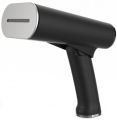 |  |
|---|---|---|
| SteamOne James 2 | Domotec MS-5351 | |
| Outdated Product | Outdated Product | |
| TOP sellers | ||
2 removable water tanks: 80 ml and 150 ml. 2 power modes. | ||
| Type | manual | household (stationary) |
| In box | brush additional water tank case / cover hook, brush, silicone gasket, | brush trouser clip telescopic stand |
Technical specs | ||
| Power consumption | 2000 W | 2000 W |
| Steam flow | 32 g/min | 32 g/min |
| Water tank | 150 ml | |
| Detachable water tank |  | |
| Steam power adjustment | | |
| Work surface coating | ceramic | |
| Continuous operation time | 15 min | |
| Heating time | 15 с | |
General | ||
| Overheat protection | | |
| Limescale protection | |  |
| Folding handle | | |
| Steam hose length | 1.1 m | |
| Power cord length | 1.3 m | |
| Dimensions (HxWxD) | 20.45x18.45x11 cm | 34x27x25 cm |
| Weight | 1.03 kg | 2.2 kg |
| Added to E-Catalog | july 2022 | june 2020 |


Compare SteamOne James 2 and Domotec MS-5351
You may be interested in
My comparisons
SteamOne James 2 often compared


Domotec MS-5351 often compared

Glossary
Type
– Handheld garment steamer. A portable variation of the garment steamers. The design of such devices includes a steam outlet nozzle (sometimes combined with a mini iron, see "In box"), a miniature steam generation unit and a small volume tank; all this is combined in one case. Of course, in terms of performance and efficiency, manual steamers are inferior to stationary ones – however, they are quite capable of coping with products that do not require special intensity in processing. Separately, we note that such models are very convenient when traveling: the device does not take up much space in the luggage, while it can be used to easily put in order the clothes brought with you.
– Garment steamer. Devices designed primarily for vertical steaming, i.e. the treatment of clothes hung vertically with a jet of hot steam under pressure. Accordingly, a mandatory design element in such models is a stand with a hanger. Vertical steaming allows to effectively smooth out wrinkles – including on clothes for which a standard iron is not suitable, such as jackets and coats made of thick fabric, as well as products with an abundance of decorative details (rhinestones, sequins, etc.). At the same time, the procedure turns out to be more gentle than classic ironing – due to the fact that the nozzle does not crush fabric fibers, and the temperature does not exceed 100 °C even with intensive processing. Initially, v...ertical steaming was used mainly for shoulder items – shirts, dresses, etc.; however, nowadays you can find a lot of steamers with trouser clips (see "In box") and even special nozzles for forming arrows. And some models from this category are equipped with mini-irons, and even full-fledged irons, and can also be used for traditional ironing (in this case, an ironing board is often provided, but this feature is not strictly required).
— Mannequin. Steam ironing mannequins resemble the upper part of the human body or legs, depending on their purpose. A steam mannequin holds clothing in the desired position, making steaming and ironing easier. Upper body garments such as jackets, coats, vests, shirts, or hoodies are placed on the torso of the mannequin, and the ironing process occurs through moist-heat treatment (pressing and treating the items with dry steam). Mannequins shaped like legs are used for ironing and steaming pants, skirts, and other lower body garments.
– Garment steamer. Devices designed primarily for vertical steaming, i.e. the treatment of clothes hung vertically with a jet of hot steam under pressure. Accordingly, a mandatory design element in such models is a stand with a hanger. Vertical steaming allows to effectively smooth out wrinkles – including on clothes for which a standard iron is not suitable, such as jackets and coats made of thick fabric, as well as products with an abundance of decorative details (rhinestones, sequins, etc.). At the same time, the procedure turns out to be more gentle than classic ironing – due to the fact that the nozzle does not crush fabric fibers, and the temperature does not exceed 100 °C even with intensive processing. Initially, v...ertical steaming was used mainly for shoulder items – shirts, dresses, etc.; however, nowadays you can find a lot of steamers with trouser clips (see "In box") and even special nozzles for forming arrows. And some models from this category are equipped with mini-irons, and even full-fledged irons, and can also be used for traditional ironing (in this case, an ironing board is often provided, but this feature is not strictly required).
— Mannequin. Steam ironing mannequins resemble the upper part of the human body or legs, depending on their purpose. A steam mannequin holds clothing in the desired position, making steaming and ironing easier. Upper body garments such as jackets, coats, vests, shirts, or hoodies are placed on the torso of the mannequin, and the ironing process occurs through moist-heat treatment (pressing and treating the items with dry steam). Mannequins shaped like legs are used for ironing and steaming pants, skirts, and other lower body garments.
In box
Additional accessories and equipment supplied with the device.
Modern steamers can be equipped with ironing accessories – irons and mini irons, ironing boards, vertical stops, trouser clips, telescopic stands and additional bottom clips; accessories for processing fabrics – brushes, fabric nozzles, nozzles for delicate fabrics, for arrows; as well as some other items. Here is a more detailed description of the most common options:
– Iron. A classic iron connected to a steamer with a hose. Such equipment actually turns the device into a steam generator for ironing; and models equipped with an ironing board (see below) are often comparable in functionality with full-fledged ironing systems.
– Mini iron. Reduced analogue of a conventional iron. It is not designed for large volumes of ironing, but for simple tasks like ironing 1-2 items of clothing or refreshing a business suit, such a device is quite enough.
– Ironing board. The classic ironing board is a horizontal surface used for ironing fabrics. G...arment steamers are equipped with small boards, which are usually installed vertically during non-working hours and, to some extent, can also replace vertical stops. Usually such a board is mounted on a telescopic stand.
– Vertical stop. Device in the form of a plane mounted vertically. In fact, it is an analogue of an ironing board used for vertical steaming: the processed fabric can be pressed against such a “board”, providing more intensive and efficient processing. Foldable ironing boards can perform a similar function, but they are not considered vertical stops, because they are small and have limited capabilities (whereas a full-fledged stop allows you to completely process trousers or other similar clothing in one session).
– Fabric nozzle. Microfiber nozzle – fabrics based on microscopic fibers. It is used for vertical steaming of various fabrics, thanks to which the steam is evenly distributed over the entire treated surface. Does not leave particles of pile on the surface.
– Nozzle for delicate fabrics. The specific design of such nozzles may be different, however, in any case, they provide the most gentle treatment, with a reduced intensity.
— Brush. In this case, brushes are meant for cleaning clothes and other fabric products. Thanks to the effect of steam, cleaning with this nozzle is more effective than with a manual clothes brush.
– Nozzle for arrows. Special nozzles for forming arrows on trousers. Such nozzles are usually clips of a special design. They are not as convenient to use as traditional irons and mini irons, and the use of such a device requires certain skills. On the other hand, this type of nozzle allows you to refresh the arrows even if there is no ironing board or vertical stop.
– Trouser clip. A special clip that allows to hang trousers and other similar products on the stand of the garment steamer. By default, hangers are installed in steamers, however, for some products they are poorly suited or not suitable at all; in light of this, clips of this type are often also provided in the design. Typically, such a clip is a pair of specific clothespins mounted on the crossbar of the coat hanger.
– Bottom clip. Clip mounted on the garment steamer at the bottom of the stand; usually, it is equipped with a movable mount and can be adjusted in height, it is also often made detachable. In most models, such a device is combined with a trouser clip and has the same design – in the form of a pair of clothespins; however, there are steamers that have only the bottom pair of clothespins – in addition to the usual hangers. In any case, such a clip allows to stretch the clothes hanging on the stand – this further contributes to the effectiveness of the steaming.
– Telescopic stand. A garment steamer stand with a telescopic design – which allows to adjust the height at which the clothes hanger is located. The convenience of this feature is obvious: it makes it possible to adjust the height of the hanger to the specifics of the situation and a particular product. At the same time, telescopic stands are relatively inexpensive, so that such equipment is almost mandatory for modern garment steamers (with the exception of portable handheld varieties).
Modern steamers can be equipped with ironing accessories – irons and mini irons, ironing boards, vertical stops, trouser clips, telescopic stands and additional bottom clips; accessories for processing fabrics – brushes, fabric nozzles, nozzles for delicate fabrics, for arrows; as well as some other items. Here is a more detailed description of the most common options:
– Iron. A classic iron connected to a steamer with a hose. Such equipment actually turns the device into a steam generator for ironing; and models equipped with an ironing board (see below) are often comparable in functionality with full-fledged ironing systems.
– Mini iron. Reduced analogue of a conventional iron. It is not designed for large volumes of ironing, but for simple tasks like ironing 1-2 items of clothing or refreshing a business suit, such a device is quite enough.
– Ironing board. The classic ironing board is a horizontal surface used for ironing fabrics. G...arment steamers are equipped with small boards, which are usually installed vertically during non-working hours and, to some extent, can also replace vertical stops. Usually such a board is mounted on a telescopic stand.
– Vertical stop. Device in the form of a plane mounted vertically. In fact, it is an analogue of an ironing board used for vertical steaming: the processed fabric can be pressed against such a “board”, providing more intensive and efficient processing. Foldable ironing boards can perform a similar function, but they are not considered vertical stops, because they are small and have limited capabilities (whereas a full-fledged stop allows you to completely process trousers or other similar clothing in one session).
– Fabric nozzle. Microfiber nozzle – fabrics based on microscopic fibers. It is used for vertical steaming of various fabrics, thanks to which the steam is evenly distributed over the entire treated surface. Does not leave particles of pile on the surface.
– Nozzle for delicate fabrics. The specific design of such nozzles may be different, however, in any case, they provide the most gentle treatment, with a reduced intensity.
— Brush. In this case, brushes are meant for cleaning clothes and other fabric products. Thanks to the effect of steam, cleaning with this nozzle is more effective than with a manual clothes brush.
– Nozzle for arrows. Special nozzles for forming arrows on trousers. Such nozzles are usually clips of a special design. They are not as convenient to use as traditional irons and mini irons, and the use of such a device requires certain skills. On the other hand, this type of nozzle allows you to refresh the arrows even if there is no ironing board or vertical stop.
– Trouser clip. A special clip that allows to hang trousers and other similar products on the stand of the garment steamer. By default, hangers are installed in steamers, however, for some products they are poorly suited or not suitable at all; in light of this, clips of this type are often also provided in the design. Typically, such a clip is a pair of specific clothespins mounted on the crossbar of the coat hanger.
– Bottom clip. Clip mounted on the garment steamer at the bottom of the stand; usually, it is equipped with a movable mount and can be adjusted in height, it is also often made detachable. In most models, such a device is combined with a trouser clip and has the same design – in the form of a pair of clothespins; however, there are steamers that have only the bottom pair of clothespins – in addition to the usual hangers. In any case, such a clip allows to stretch the clothes hanging on the stand – this further contributes to the effectiveness of the steaming.
– Telescopic stand. A garment steamer stand with a telescopic design – which allows to adjust the height at which the clothes hanger is located. The convenience of this feature is obvious: it makes it possible to adjust the height of the hanger to the specifics of the situation and a particular product. At the same time, telescopic stands are relatively inexpensive, so that such equipment is almost mandatory for modern garment steamers (with the exception of portable handheld varieties).
Water tank
The water tank determines the steamer's operating time without refilling. Small tanks up to 500 ml are installed in compact handheld models for quick ironing of one or two items. A medium volume from 500 ml to 1.5 liters is optimal for versatile home appliances, while large tanks from 1.5 liters are suitable for long continuous operations of floor systems. Remember: a large tank reduces the need for frequent refills, but it makes the device heavier and bulkier.
Work surface coating
The coating of the steamer's working surface affects the glide over fabrics, even heating, scratch resistance, and ease of maintenance. The better the material quality, the more easily the steamer moves over clothes, snags less on delicate fabrics, and works more reliably with frequent use. The following types are found:
— Heat-resistant plastic. A light and inexpensive option commonly found in compact handheld steamers. It is not as durable and "slippery" as metal or ceramic, but is suitable for basic steaming without strong pressure on the fabric.
— Aluminum. A lightweight material that heats up quickly, making the steamer more convenient in weight. This is useful for handheld models, travel use, and quick tasks when you need to freshen up clothes before going out.
— Stainless steel. A durable metal surface that withstands heat, steam, and regular contact with fabric well. It is long-lasting and practical for frequent home use but may be heavier than plastic or aluminum.
— Ceramic. A smooth coating that glides well over fabrics and evenly distributes heat. It is convenient for delicate items, synthetics, shirts, and dresses, but requires careful handling without impacts or abrasive cleaning.
— Metal-ceramic. A coating on a metal base with a ceramic layer or additives. It combines fast heating, good glide, and higher wear resistance compared to regular ceramic.
— Titanium. A strong and wear-resistant coating designed...for frequent use. This surface resists scratches better and retains its working properties for a long time, which is useful for frequent use, heavy fabrics, and cases where the steamer works not only with light clothing but also with jackets, curtains, or outerwear.
— Heat-resistant plastic. A light and inexpensive option commonly found in compact handheld steamers. It is not as durable and "slippery" as metal or ceramic, but is suitable for basic steaming without strong pressure on the fabric.
— Aluminum. A lightweight material that heats up quickly, making the steamer more convenient in weight. This is useful for handheld models, travel use, and quick tasks when you need to freshen up clothes before going out.
— Stainless steel. A durable metal surface that withstands heat, steam, and regular contact with fabric well. It is long-lasting and practical for frequent home use but may be heavier than plastic or aluminum.
— Ceramic. A smooth coating that glides well over fabrics and evenly distributes heat. It is convenient for delicate items, synthetics, shirts, and dresses, but requires careful handling without impacts or abrasive cleaning.
— Metal-ceramic. A coating on a metal base with a ceramic layer or additives. It combines fast heating, good glide, and higher wear resistance compared to regular ceramic.
— Titanium. A strong and wear-resistant coating designed...for frequent use. This surface resists scratches better and retains its working properties for a long time, which is useful for frequent use, heavy fabrics, and cases where the steamer works not only with light clothing but also with jackets, curtains, or outerwear.
Continuous operation time
Approximate time that the device is able to operate without breaks. This parameter is determined primarily by the performance and capacity of the boiler/tank: when the water supply is exhausted, the work will have to pause to replenish the stock. At the same time, for models with humidity and/or power adjustment, both the average time of continuous operation (at a certain standard mode), and the longest (at minimum intensity) or the shortest (at maximum) can be indicated; these details should be clarified separately.
It is worth saying that some models allow refueling with water right in the process of operation, but it also does not hurt to clarify this possibility separately.
It is worth saying that some models allow refueling with water right in the process of operation, but it also does not hurt to clarify this possibility separately.
Heating time
Heating time until steam is generated. The duration of the heating process directly depends on the power of the device and the volume of the water tank.
We also note that in some situations the actual heating time may be less than the declared one. For example, if the main tank (boiler) is not completely filled, and the design does not provide an additional tank for cold water. For a full guarantee, you should still focus on the value directly stated in the specifications.
We also note that in some situations the actual heating time may be less than the declared one. For example, if the main tank (boiler) is not completely filled, and the design does not provide an additional tank for cold water. For a full guarantee, you should still focus on the value directly stated in the specifications.
Limescale protection
System that prevents the formation of scale inside the steamer boiler.
Scale – insoluble limescale – produces several undesirable effects at once. Firstly, it reduces the efficiency of the heating element, and over time it can completely disable it. Secondly, particles of scale can peel off the surface of the boiler and contaminate the pipelines, hoses and nozzles of the device. Thirdly, when they get on the surface to be washed or on the clothes to be steamed, such particles can form new contaminants, that are sometimes very difficult to remove. Scale is formed especially quickly when using "hard" water, with a high content of calcium salts; however, even "soft" water is not insurance from this phenomenon.
To avoid all this, modern models provide limescale protection. This feature is usually performed by a special filter that removes calcium salts from the water used; in other words, scale still settles in the apparatus, however, not on critical structural elements, but on a part specially designed for this purpose. It should be borne in mind that filters have a limited resource and require periodic replacement (and the harder the water, the more often such a replacement will have to be done).
Scale – insoluble limescale – produces several undesirable effects at once. Firstly, it reduces the efficiency of the heating element, and over time it can completely disable it. Secondly, particles of scale can peel off the surface of the boiler and contaminate the pipelines, hoses and nozzles of the device. Thirdly, when they get on the surface to be washed or on the clothes to be steamed, such particles can form new contaminants, that are sometimes very difficult to remove. Scale is formed especially quickly when using "hard" water, with a high content of calcium salts; however, even "soft" water is not insurance from this phenomenon.
To avoid all this, modern models provide limescale protection. This feature is usually performed by a special filter that removes calcium salts from the water used; in other words, scale still settles in the apparatus, however, not on critical structural elements, but on a part specially designed for this purpose. It should be borne in mind that filters have a limited resource and require periodic replacement (and the harder the water, the more often such a replacement will have to be done).
Folding handle
The foldable handle makes the steamer more compact and convenient for storage. In its working position, it provides a familiar grip, and after use, it folds, reducing the length of the body. This feature is especially useful for travel and handheld steamers, which are often taken on trips.
Steam hose length
The length of the steam supply hose included with the steamer.
The longer the hose, the farther you can reach without moving the device itself. On the other hand, a large length can create inconvenience during storage and transportation, as well as when working at short distances.
The longer the hose, the farther you can reach without moving the device itself. On the other hand, a large length can create inconvenience during storage and transportation, as well as when working at short distances.