
Comparison Steba DF 180 vs Steba DF 282
Add to comparison | 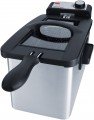 | 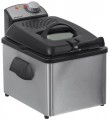 |
|---|---|---|
| Steba DF 180 | Steba DF 282 | |
from $201.00 | from $109.44 up to $127.04 | |
| TOP sellers | ||
Stainless steel body. Large viewing window. The removable bowl can be washed in the dishwasher. | ||
| Power | 2000 W | 2755 W |
| cooking t | 140 – 190 °C | 0 – 190°C |
| Basket capacity | 1 kg | 1 kg |
| Capacity | 3 L | 3.5 L |
Specs | ||
| Functions and features | removable bowl (fryers) viewing window heating indicator | removable bowl (fryers) viewing window anti-odor filter heating indicator |
| Control | ||
General | ||
| Body material | metal | metal |
| Dimensions (HxWxD) | 210x160x410 mm | 300x290x380 mm |
| Weight | 2.8 kg | 3.25 kg |
| Color | ||
| Added to E-Catalog | january 2014 | june 2013 |


Compare Steba DF 180 and DF 282
You may be interested in
Steba DF 180 often compared

Steba DF 282 often compared

Glossary
Power
Power determines how quickly the heating element brings the oil to operating temperature and restores heat after food is added. Compact household models typically range from about 800–1200 W, while the most common deep fryers rated at 1800–2200 W handle a standard home portion faster. Appliances rated at 3000 W or more are more often designed for a large volume of oil, two containers, or professional use, so power should be compared together with capacity. For example, with the same bowl, a 2000 W model will usually restore the temperature faster after adding frozen fries, helping achieve a crispier crust.
cooking t
The cooking temperature range shows the limits within which the deep fryer allows the heating of oil or another working medium to be adjusted. For most models in this category, the upper limit is around 190 °C, while the lower limit is often in the 130–150 °C range; some devices start at 50–80 °C or reach 200–240 °C. Lower values are useful for gentle heating and special modes, while 170–190 °C is usually used to quickly form a crispy crust. For example, French fries are fried at a higher temperature, while delicate foods or dough require more precise control to avoid burning on the outside too early.
Capacity
Capacity indicates the total volume of the fryer’s cooking chamber and helps estimate portion size and oil consumption. Compact 1–2 L models are designed for small snacks, 2.5–4 L household capacities are suitable for everyday family cooking, while appliances from 6 L are more often chosen for large portions or professional kitchens. The rated capacity does not always equal the usable oil quantity: safe levels are indicated by the MIN and MAX marks and must not be exceeded. For example, a 3 L bowl is convenient for occasional potato cooking, whereas an 8 L capacity requires more oil, heating time, and service space.
Functions and features
Features and design capabilities determine how convenient it is to cook, monitor the process, and maintain the deep fryer. They do not replace the basic power and capacity specifications, but they noticeably affect safety, workspace cleanliness, and the variety of usage scenarios. Choose the equipment based on actual needs: frequent oil changes, cooking different foods simultaneously, or regular appliance storage.
— 2 separate compartments. Two independent containers allow you to cook different foods at the same time without mixing oil, crumbs, and odors between the vats. This design increases productivity, but takes up more space and requires maintaining two volumes of oil; independent temperatures can only be set if separate controls are available. For example, you can fry potatoes in one compartment and fish in the other without transferring its flavor to the side dish.
— Removable bowl. The cooking container can be removed from the housing, making it easier to drain the oil and wash the bowl separately. Compared to a non-removable vat, this simplifies maintenance, but the hot bowl must not be removed until the appliance and oil have completely cooled. For example, after several frying cycles, the removable container is easier to take out and clean of crumbs without moving the entire housing to the sink.
— Viewing window. A transparent insert in the lid allows you to monitor the color of the food without opening the deep fryer. This reduces...heat loss and the risk of oil splattering, although the window may fog up or become coated with grease. For example, it is convenient to check the browning of doughnuts through it and finish the cycle in time without lifting the lid over the hot vat.
— Odor filter. The filter in the lid traps some vapors and oil aerosol, reducing the spread of odors throughout the kitchen. It does not replace ventilation and loses effectiveness over time, so the removable element must be cleaned or replaced according to the instructions. For example, when frying fish, a functional filter makes the smell less intense, but it is still advisable to turn on the extractor hood.
— Heating indicator. A light signal indicates that the heating element is operating or that the oil has reached the set temperature, depending on the design of the specific model. This is more convenient than judging readiness by eye, but the indicator does not show the exact value and may switch on periodically to maintain heating. For example, before adding a second batch of potatoes, wait for the ready signal so the food does not absorb excess oil at a low temperature.
— Non-stick coating. A protective layer on the bowl reduces food residue sticking and makes cleaning easier after frying. The coating does not make the surface invulnerable: metal utensils, stiff brushes, and abrasives can scratch it. For example, drops of batter after making doughnuts are easier to remove with a soft sponge from an intact non-stick layer.
— Fondue preparation. The function maintains suitable heating for preparing fondue in a compatible container, expanding the deep fryer’s purpose beyond regular frying. Cheese or chocolate requires a much lower temperature than oil, and the permitted contents and accessories depend on the model. For example, the appliance can only be used for cheese fondue in the intended mode so that the mixture does not overheat or burn.
— Timer. The timer counts down the set cooking time and helps prevent food from being left in hot oil for too long. Some models sound a signal at the end, while others may switch off automatically, so these functions should not be considered identical without checking the specifications. For example, for a small portion of nuggets, you can set the required time and use the signal as a guide while continuing to monitor the crust color.
— 2 separate compartments. Two independent containers allow you to cook different foods at the same time without mixing oil, crumbs, and odors between the vats. This design increases productivity, but takes up more space and requires maintaining two volumes of oil; independent temperatures can only be set if separate controls are available. For example, you can fry potatoes in one compartment and fish in the other without transferring its flavor to the side dish.
— Removable bowl. The cooking container can be removed from the housing, making it easier to drain the oil and wash the bowl separately. Compared to a non-removable vat, this simplifies maintenance, but the hot bowl must not be removed until the appliance and oil have completely cooled. For example, after several frying cycles, the removable container is easier to take out and clean of crumbs without moving the entire housing to the sink.
— Viewing window. A transparent insert in the lid allows you to monitor the color of the food without opening the deep fryer. This reduces...heat loss and the risk of oil splattering, although the window may fog up or become coated with grease. For example, it is convenient to check the browning of doughnuts through it and finish the cycle in time without lifting the lid over the hot vat.
— Odor filter. The filter in the lid traps some vapors and oil aerosol, reducing the spread of odors throughout the kitchen. It does not replace ventilation and loses effectiveness over time, so the removable element must be cleaned or replaced according to the instructions. For example, when frying fish, a functional filter makes the smell less intense, but it is still advisable to turn on the extractor hood.
— Heating indicator. A light signal indicates that the heating element is operating or that the oil has reached the set temperature, depending on the design of the specific model. This is more convenient than judging readiness by eye, but the indicator does not show the exact value and may switch on periodically to maintain heating. For example, before adding a second batch of potatoes, wait for the ready signal so the food does not absorb excess oil at a low temperature.
— Non-stick coating. A protective layer on the bowl reduces food residue sticking and makes cleaning easier after frying. The coating does not make the surface invulnerable: metal utensils, stiff brushes, and abrasives can scratch it. For example, drops of batter after making doughnuts are easier to remove with a soft sponge from an intact non-stick layer.
— Fondue preparation. The function maintains suitable heating for preparing fondue in a compatible container, expanding the deep fryer’s purpose beyond regular frying. Cheese or chocolate requires a much lower temperature than oil, and the permitted contents and accessories depend on the model. For example, the appliance can only be used for cheese fondue in the intended mode so that the mixture does not overheat or burn.
— Timer. The timer counts down the set cooking time and helps prevent food from being left in hot oil for too long. Some models sound a signal at the end, while others may switch off automatically, so these functions should not be considered identical without checking the specifications. For example, for a small portion of nuggets, you can set the required time and use the signal as a guide while continuing to monitor the crust color.