Bambu Lab A1 Combo
 |

Bambu Lab A1 Combo AMSwithout AMS | ||||||||||||||||||||||||||||||||||||||||||||||||||||||||||||
|
| |||||||||||||||||||||||||||||||||||||||||||||||||||||||||||


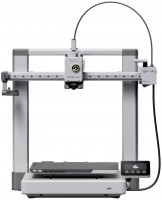
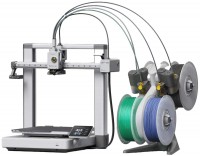
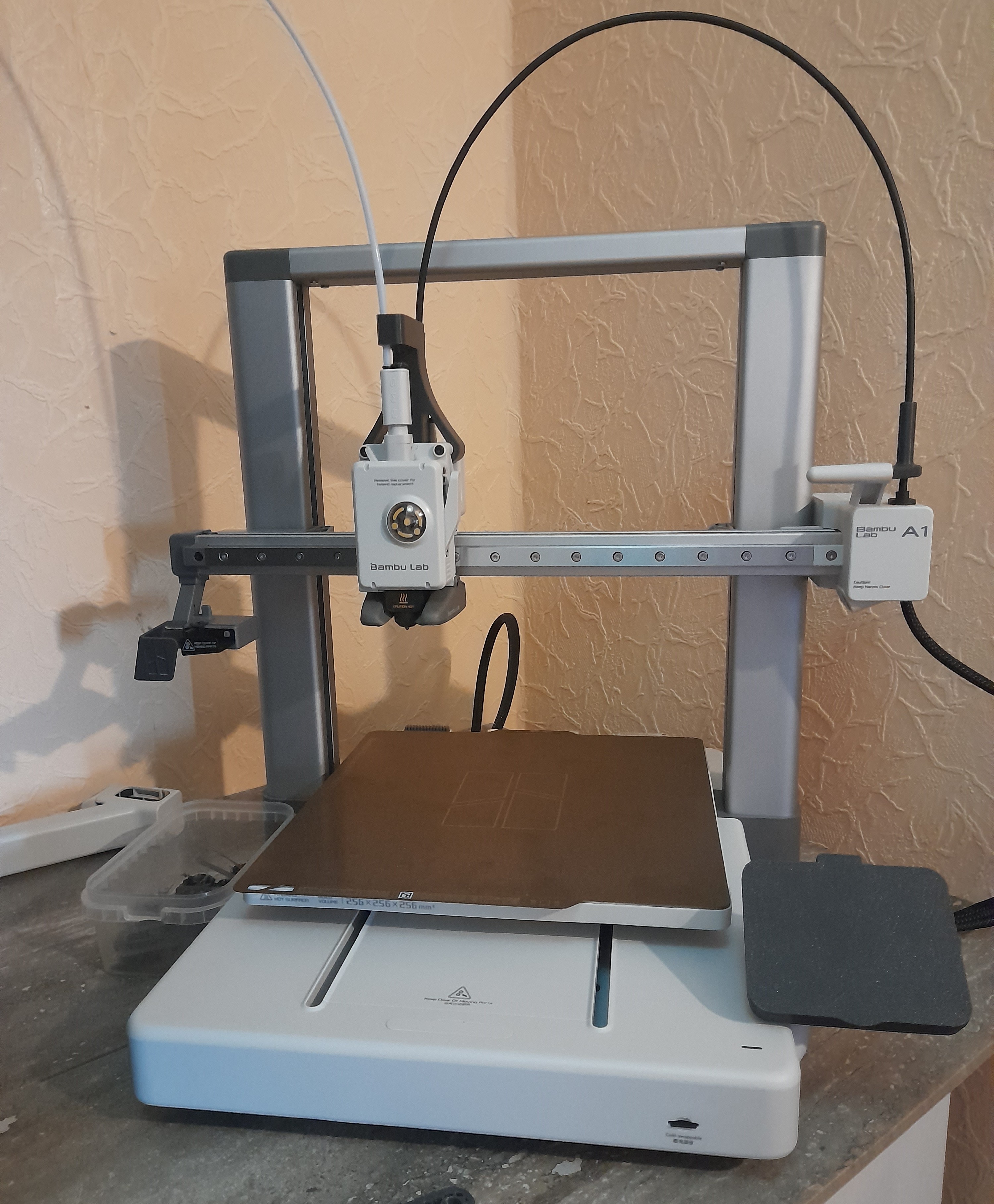
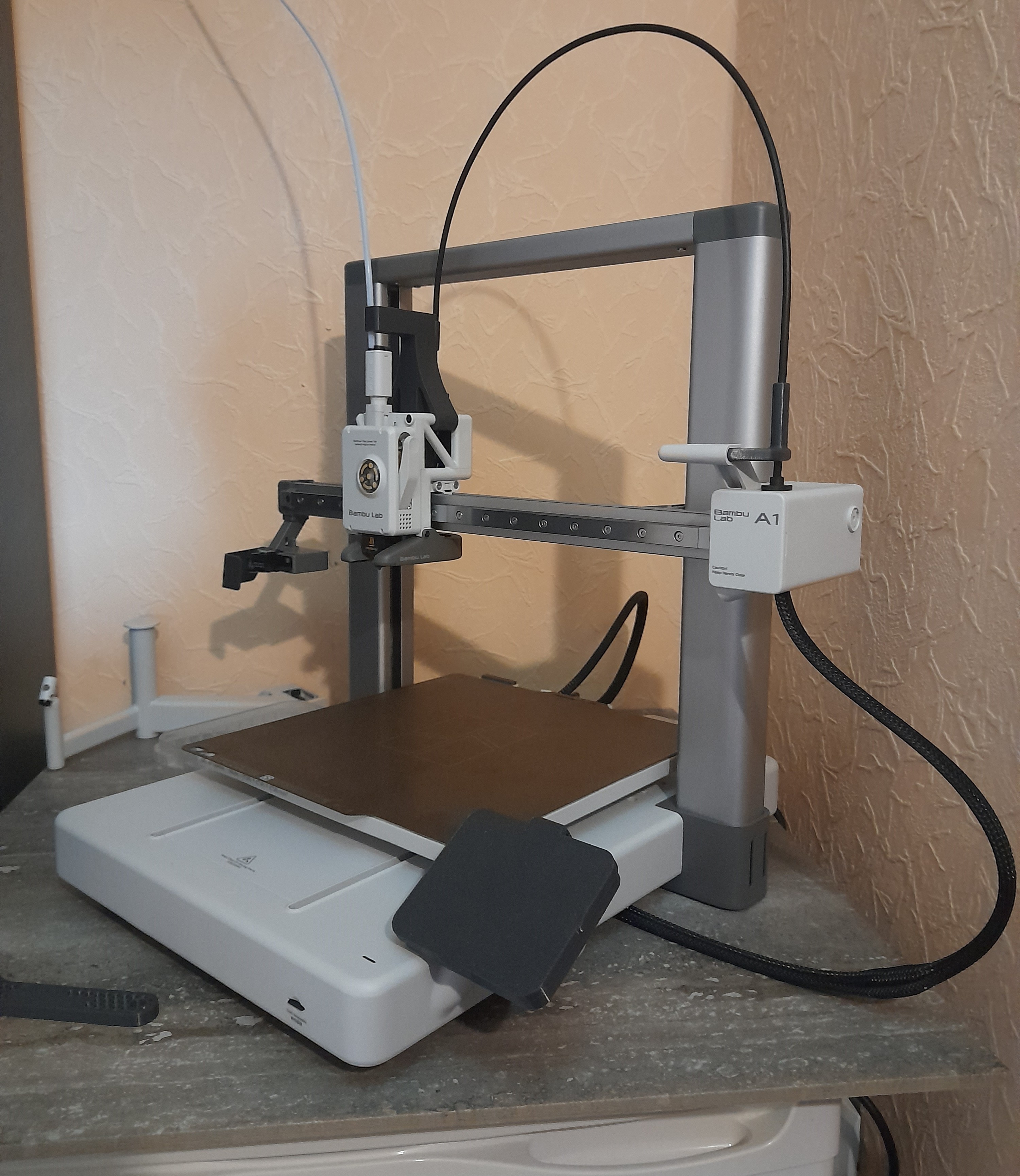
3D printer Bambu Lab A1 Combo is one of the budget-friendly new releases of 2024 with good functionality. It allows for the creation of high-quality models with dimensions of 256x256x256 mm. The filament deposition technology (FDM) is compatible with materials such as PLA, PETG, TPU, and PVA. The direct drive extruder prints at a speed of 500 mm/s, and the output nozzle can provide a diameter from 0.2 to 0.8 mm.
The built-in auto-feeding system is compatible with 1.75 mm diameter plastic filament. The heated print bed warms the base to prevent sticking to the surface and to facilitate the removal of the finished model. The 3D printer stands out for its compactness, light weight (8.3 kg), and simple design. For control, there is a 3.5” touchscreen, and a Wi-Fi module for remote connection. An intelligent camera allows for monitoring all stages and visualizing the process through a smartphone. The system automatically tracks the condition and corrects errors. A distinctive feature of the Bambu Lab A1 Combo is the automatic AMS Lite complex for filament feeding included in the package, enabling the modeling of multicolored objects.
Always clarify the specifications and configuration of the product with the online store manager before purchasing.
Catalog Bambu Lab 2026 - new arrivals, bestsellers, and the most relevant models Bambu Lab.
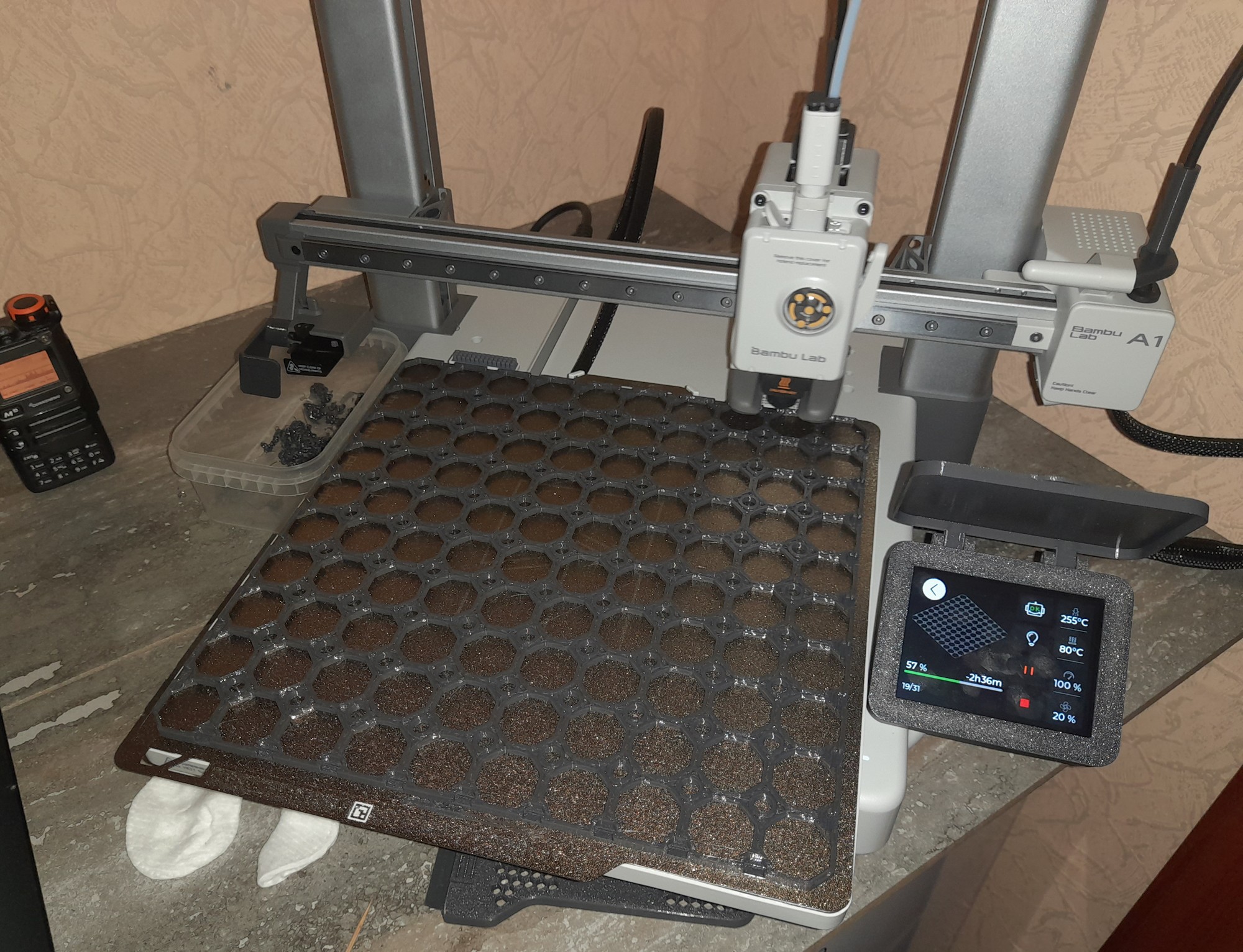
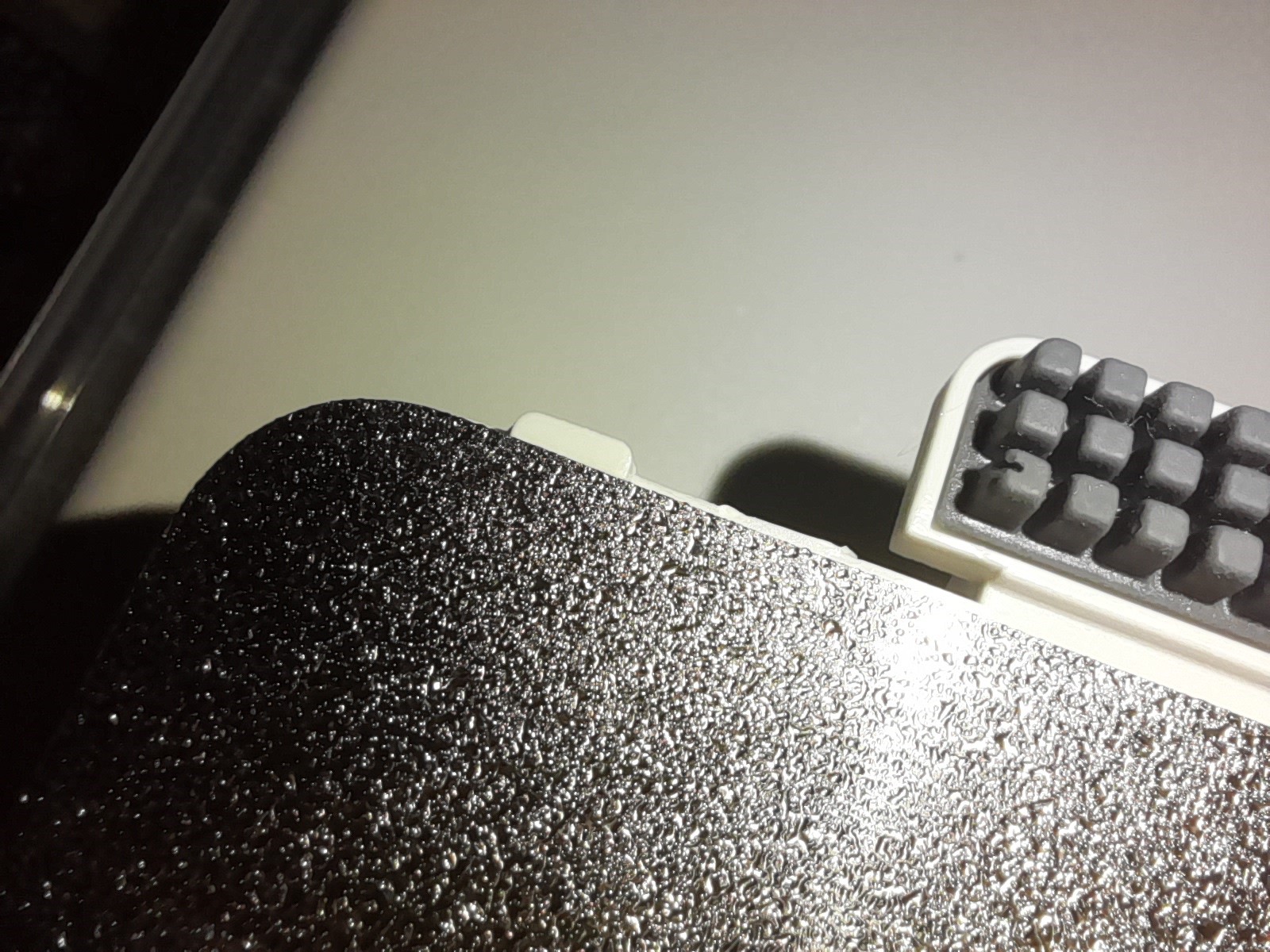
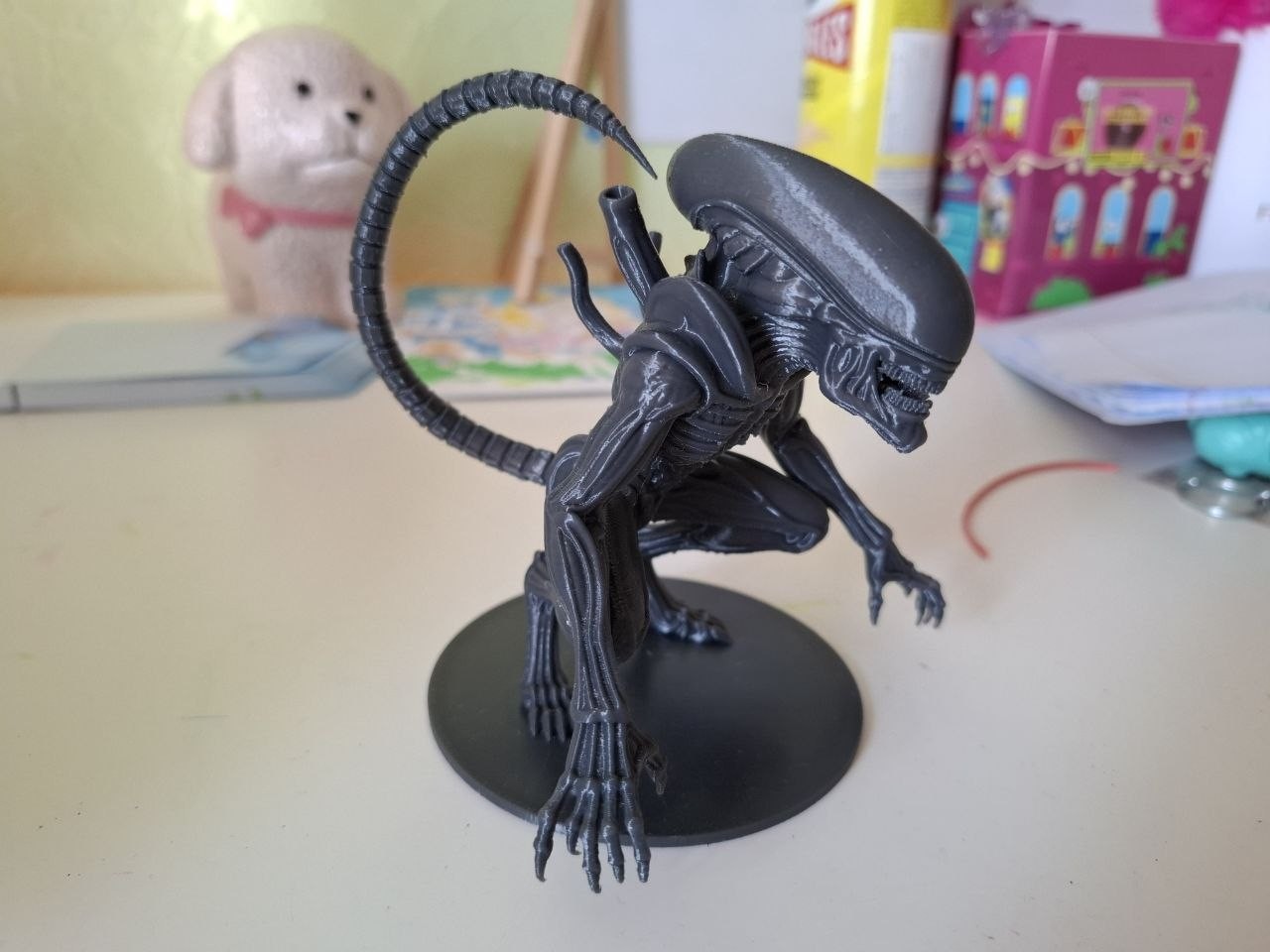
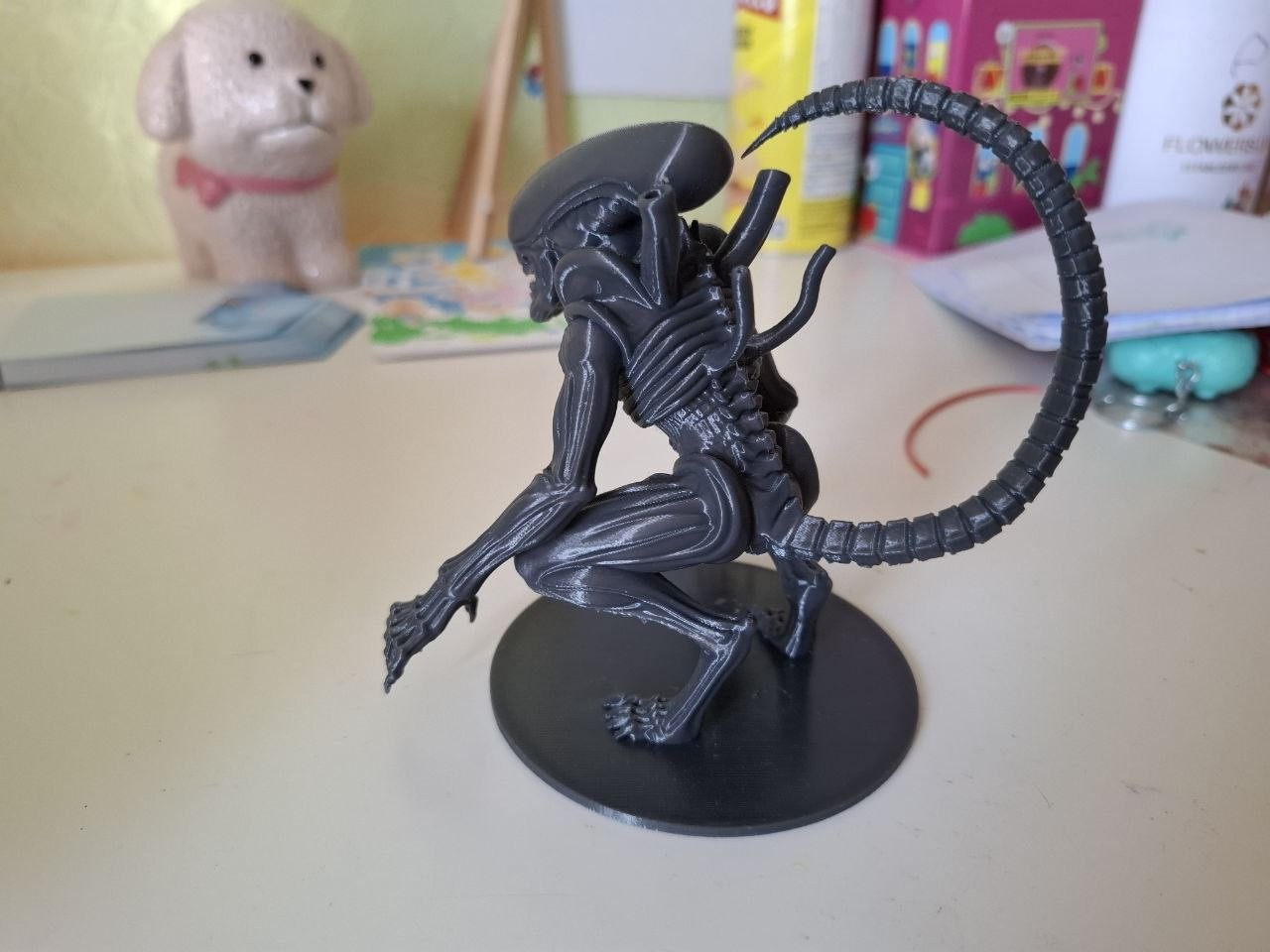
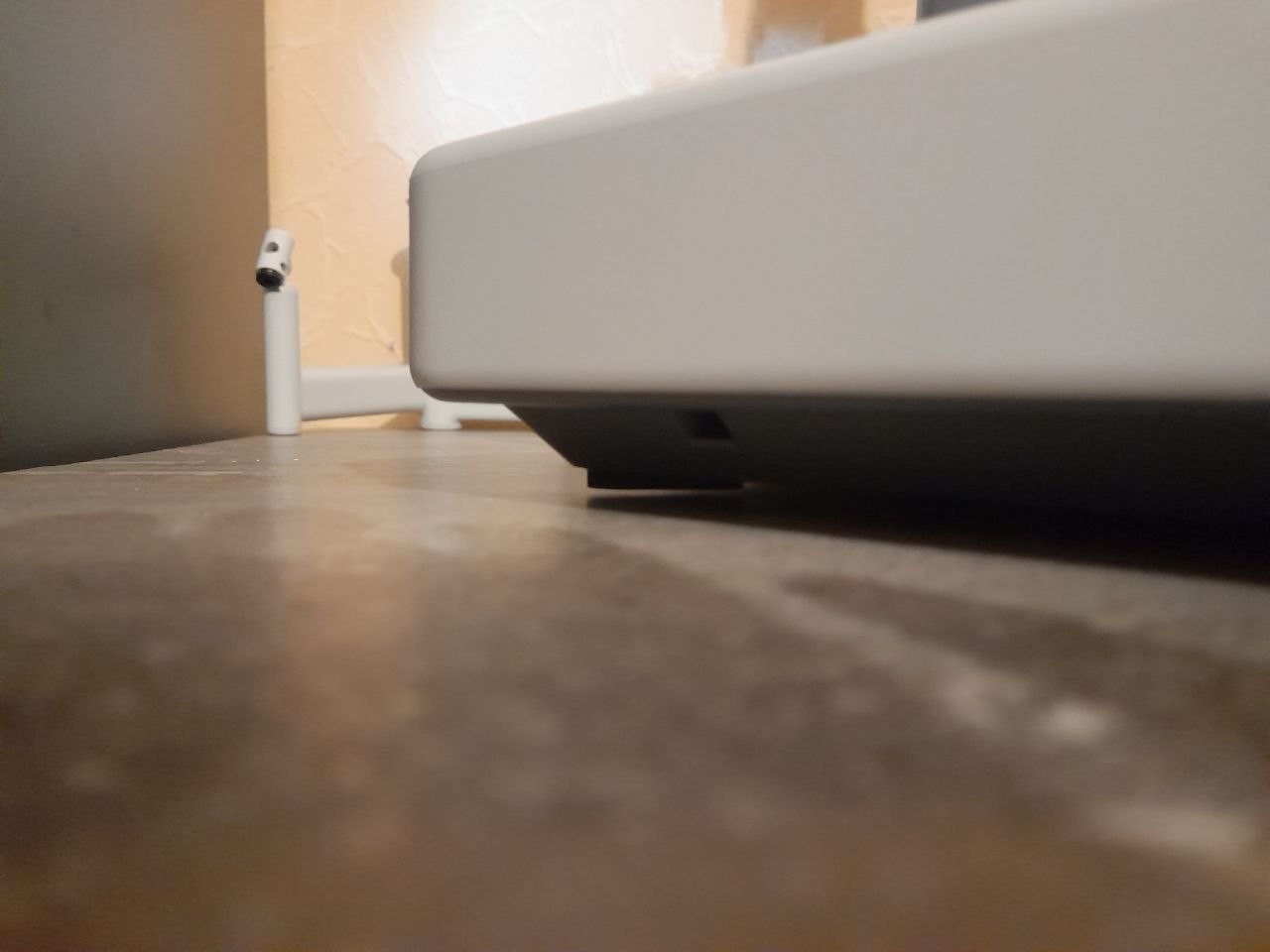
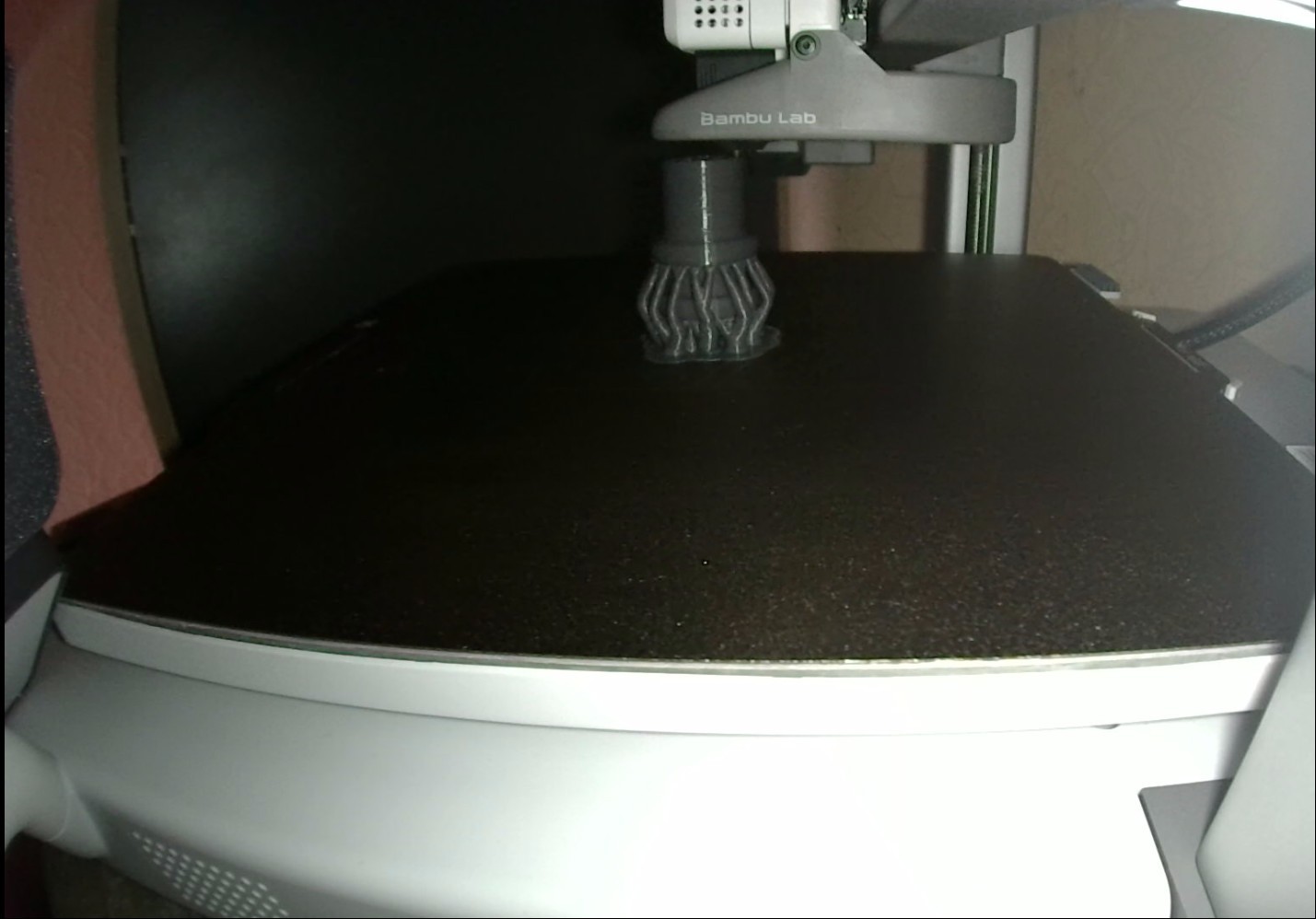
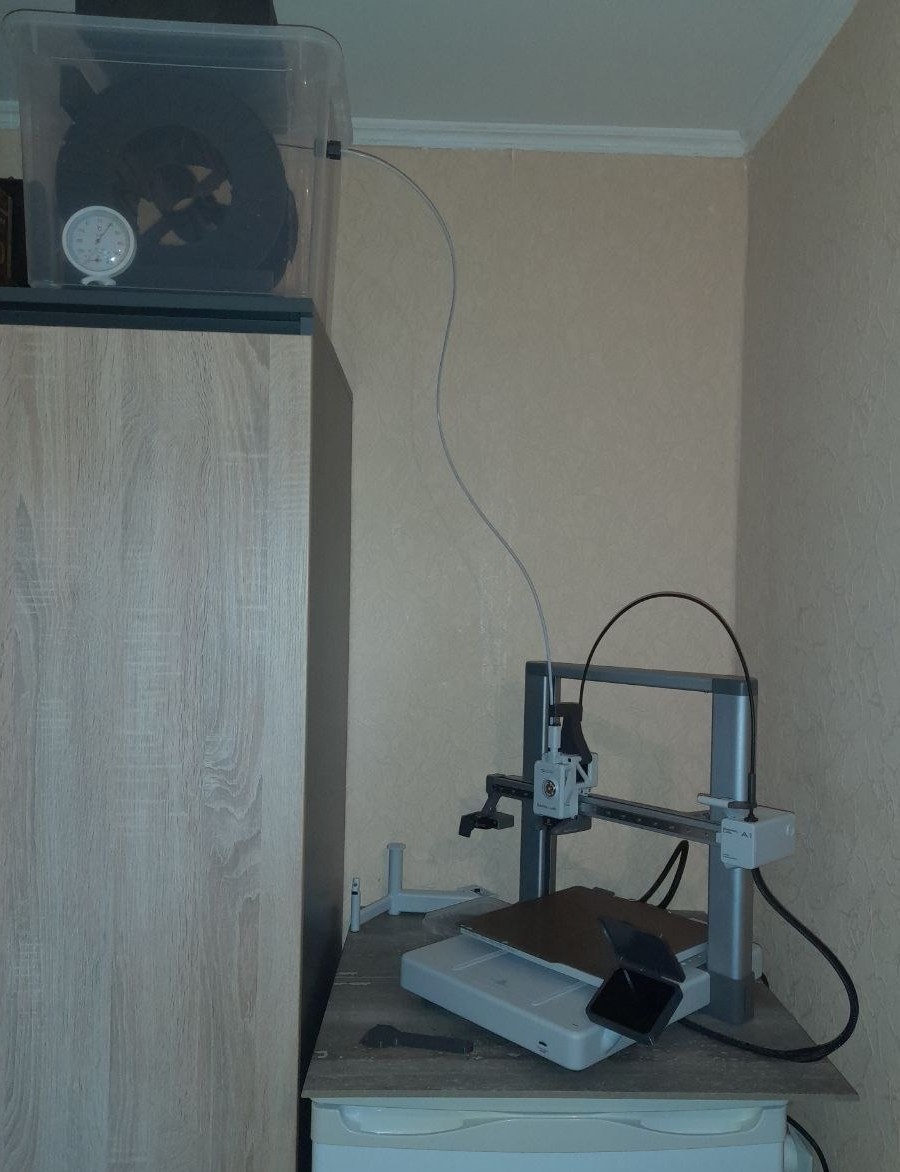
As someone who supports the DIY concept, buying a 3D printer was just a matter of time. Plus, my two radio-controlled buggies have long been asking for custom plastic parts to reduce the suffering carefully built into their design by the manufacturer. I've never been a fan of closed ecosystems like Apple, but for some reason, I made an exception with the printer, and I really hope I won't regret it. Overall, the printer is well-balanced and extremely user-friendly: from packaging to removing the finished product from the bed, everything is oriented towards the casual user who is far removed from the intricacies of 3D printing. Knowing practically nothing about 3D printing, I launched a complex xenomorph figure with some of the cheapest PETG instead of a test boat, and it printed quite well with default settings on the first try. A closed ecosystem that requires minimal effort and time to achieve a high-quality result will be an advantage for most people. One notable feature is the automatic calibration, which works very well in practice. The large printing area: the table perfectly accommodates the Multiboard 10x10 panel. The table temperature up to 100 degrees allows you (if you ever really want to) to print a small part from nylon or ABS. A closed ecosystem that excludes customization is more of a disadvantage for me. The camera quality is absolutely terrible. It's incredibly difficult to perfectly place the plate on the table the first time: the plate is positioned against two tiny, hard-to-see plastic tabs that seem ready to break with too much force. Why the manufacturer didn't create reliable guides for quick and accurate plate installation is a big mystery. The build quality seems decent, but the body plastic is so thin that it might deform from the table's heat or crack from careless handling. The table cable hits the fan housing during nozzle cleaning. Small pieces of filament from the nozzle cleaning on the silicone brush constantly fall into the slots below the table and accumulate in hard-to-reach places.  Den: Den: |
Bambu Lab A1 Combo configurations
| Price for Bambu Lab A1 Combo | ||||
|---|---|---|---|---|
 | Bambu Lab A1 Combo | from $379.99 | 1 offer | |
 | Bambu Lab A1 | from $279.99 | 2 offers | |