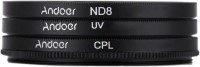
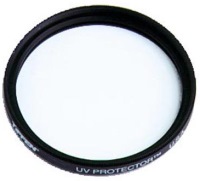
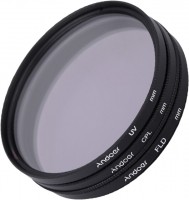
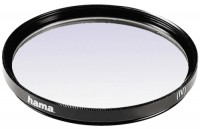
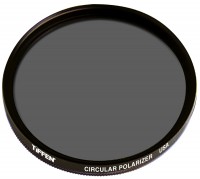
Crystal Optics 67mm Circular Polarizer Filter CPL67
Buy Crystal Optics 67mm Circular Polarizer Filter CPL67
When you make a purchase through links on our site, we may receive a affiliate commission.
Crystal Optics 67mm Circular Polarizer Filter CPL67 | $12.99 |  | |||
Circular Polarizing Filters are used to increase color saturation, like darkening blue skies so that white clouds stand out. It eliminates reflections from non-metallic surfaces like glass and water. It helps reduce softness in scenery caused by atmospheric haze. This filter will not change the overall color balance of a photograph. Polarizers are commonly used to control glare on water and to allow the camera to see below the surface. They are also used to reduce glare on car bumpers and to control reflections on plate-glass windows. Polarizers are so versatile that they can perform the opposite functions as well. Some cinematographers use polarizers to increase or enhance reflections, simply by changing the filter?s setting. Circular refers not to the shape, but a special design that does not interfere with metering of auto exposure or auto focus systems There is virtually no limit to the new ways Directors of Photography find to use effective polarizers. A few examples of what they can do include: Darkening skies in color photography for dramatic impact. While graduated neutral density filters can also be used to achieve this effect, the need to position their transition line accurately precludes their use in many applications. Polarizers do not suffer from this limitation. Suppressing reflections and capturing truer color when filming actors through a windshield, and from other rigged-car camera positions. Greatly adding to the drama and appeal of the shot when photographing food (particularly meat or liquids). Increasing the color saturation of any object with a glossy surface. In summary, virtually any subject involving glare or reflections, or that is illuminated with specular light, can be improved through the skillful use of a quality polarizing filter.
The product description is generated based on data from online stores. Before purchasing be sure to verify all information directly with the seller.
Best Cameras for VloggingConvenient cameras for filming anything and everything literally “on the go.”
Best Mirrorless Cameras for Video ShootingProfessional tools with exceptional video recording potential.
How to place an order?How to add store?
Remember that the online store is responsible for the accuracy of information regarding price, warranty, and delivery!
We recommend