
Comparison MPM MSO-16 vs MPM MSO-14
Add to comparison | 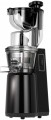 | 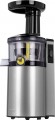 |
|---|---|---|
| MPM MSO-16 | MPM MSO-14 | |
| Outdated Product | from $89.40 up to $126.68 | |
| User reviews | ||
| TOP sellers | ||
| Type | auger | auger |
| Juice container | 1 L freestanding | 1 L freestanding |
| Pulp container | 0.8 L | 0.8 L |
Specs | ||
| Power | 200 W | 150 W |
| Control | control knob | control knob |
| Max. revolutions | 60 rpm | 60 rpm |
| Reverse |  | |
| Loading opening width | 80 mm | |
| Functions | automatic release of pulp drop-stop system overheat protection protection from accidental activation | automatic release of pulp drop-stop system overheat protection protection from accidental activation |
General | ||
| Body material | plastic | steel |
| Round neck | |  |
| Color | ||
| Added to E-Catalog | july 2017 | august 2016 |


Compare MPM MSO-16 and MSO-14
You may be interested in
My comparisons
MPM MSO-16 often compared


MPM MSO-14 often compared


Glossary
Power
The power of the juicer depends on its type. For example, the power of citrus juicers rarely exceeds 40 W, since the structure of citrus fruits is easily destroyed and does not require serious effort to extract juice. The power of centrifugal juicers can even exceed 1000 W. The centrifugal speed and spin features depend on the power of the centrifugal juicer (for more details, see Number of speeds)
Loading opening width
The width of the opening for loading products into the centrifugal juicer. You should pay attention to this parameter if you plan to get juice from large fruits such as apples or pears — if the opening is less than 70 mm wide, the fruits will most likely have to be cut into pieces.
Body material
The body of a modern juicer is most often made of plastic or steel. Plastic juicers tend to weigh less and cost less; in turn, metal ones are more durable and look “more respectably”. The body material usually does not affect the functionality of the device.
Round neck
The round shape of the neck for loading products allows you to load small fruits into the device without cutting them. Round neck juicers have appeared recently; before that, necks were usually made oval, and products for processing most often had to be cut.