
Comparison DAHATI 2000-01SL white vs DAHATI 2000-01L white
Add to comparison | 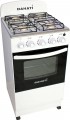 | 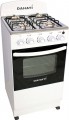 |
|---|---|---|
| DAHATI 2000-01SL white | DAHATI 2000-01L white | |
| Outdated Product | Outdated Product | |
| TOP sellers | ||
| Hob type | gas | gas |
| Burner controls | rotary knobs | rotary knobs |
Oven | ||
| Oven type | electric | electric |
| Oven capacity | 50 L | 50 L |
| Minimum temperature | 50 °C | 50 °C |
| Max. temperature | 250 °C | 250 °C |
| Features | thermostat oven lighting | thermostat oven lighting |
| Oven cleaning | traditional | traditional |
| Guides | frame | frame |
| Number of glass in door | 2 | 2 |
Hob | ||
| Hob material | stainless steel | enamel |
| Number of gas burners | 4 | 4 |
| Burner grates | steel | steel |
More specs | ||
| Dimensions (HxWxD) | 88.5x50x58 cm | 88.5x50x58 cm |
| Country of origin | Ukraine | Ukraine |
| Color | ||
| Added to E-Catalog | january 2022 | january 2022 |


Compare DAHATI 2000-01SL and 2000-01L
You may be interested in
My comparisons
DAHATI 2000-01SL often compared

Glossary
Hob material
— Enamel. Enamel coating is inexpensive and relatively easy to clean. In addition, enamel can have different colours, which allows you to give the stoves an original appearance (although the most popular is still the classic white colour). On the other hand, cracks, chips and scratches may appear on such a surface. As a result, such a coating is typical for relatively inexpensive boards.
— Stainless steel. Steel hobs are highly durable and attractive. But, it will take a lot of effort to keep such a stove clean: even slight dirt is noticeable on a steel surface (especially polished). And it is more difficult to clean them than enamel. In addition, such surfaces are somewhat more expensive than enamelled ones, and there are, in fact, two design options for them - matte and polished.
- Glass-ceramic. A material is found predominantly in electric stoves; rarely used in gas models, mainly for aesthetic reasons. The main advantages of glass ceramic are resistance to heat and high permeability to heat and electromagnetic radiation. Schott Ceram and EuroKera, manufacturers of this very glass-ceramic, which manufacturers of household appliances install in their models, were especially successful in this. It allows electric burners (regardless of type) to be placed directly under such a surface. The re...sult is a flat top with no protrusions, making cleaning easier and providing a neat appearance. The main disadvantages of this material are high cost and sensitivity to impacts.
- Tempered glass. A material similar to the glass-ceramics described above: the glass surfaces have an attractive appearance, usually with a glossy finish. Another common feature is the ease of cleaning: most of the contaminants are easily removed. However, this material is not as strong as glass-ceramic: it is much more sensitive to impacts and tolerates heat much worse, which makes it poorly suited for installation above burners. As a result, tempered glass is used mainly in gas stoves, where the burners are located above the work surface and tempered glass heats up relatively weakly. Another category of stoves with such a surface is electric models with induction hobs, where the dishes and not the surface are mainly heated (see below for more details).
— Plastic. Working surface made of special heat-resistant plastic. A rather specific option is found mainly among portable single-burner electric stoves with induction heaters (see below). There are several reasons for this. One of them is that, despite the heat resistance, even fairly advanced plastic does not tolerate heating on gas or a classic electric burner. But with an induction burner, this material works without problems, especially since it is well permeable to electromagnetic radiation. Plastic is cheaper than tempered glass or glass-ceramic, and it also weighs less - the latter is important for a stove that is planned to be moved frequently from place to place. At the same time, all these advantages cannot be called critical. As a result, this option, even in its niche, has not received much popularity.
— Stainless steel. Steel hobs are highly durable and attractive. But, it will take a lot of effort to keep such a stove clean: even slight dirt is noticeable on a steel surface (especially polished). And it is more difficult to clean them than enamel. In addition, such surfaces are somewhat more expensive than enamelled ones, and there are, in fact, two design options for them - matte and polished.
- Glass-ceramic. A material is found predominantly in electric stoves; rarely used in gas models, mainly for aesthetic reasons. The main advantages of glass ceramic are resistance to heat and high permeability to heat and electromagnetic radiation. Schott Ceram and EuroKera, manufacturers of this very glass-ceramic, which manufacturers of household appliances install in their models, were especially successful in this. It allows electric burners (regardless of type) to be placed directly under such a surface. The re...sult is a flat top with no protrusions, making cleaning easier and providing a neat appearance. The main disadvantages of this material are high cost and sensitivity to impacts.
- Tempered glass. A material similar to the glass-ceramics described above: the glass surfaces have an attractive appearance, usually with a glossy finish. Another common feature is the ease of cleaning: most of the contaminants are easily removed. However, this material is not as strong as glass-ceramic: it is much more sensitive to impacts and tolerates heat much worse, which makes it poorly suited for installation above burners. As a result, tempered glass is used mainly in gas stoves, where the burners are located above the work surface and tempered glass heats up relatively weakly. Another category of stoves with such a surface is electric models with induction hobs, where the dishes and not the surface are mainly heated (see below for more details).
— Plastic. Working surface made of special heat-resistant plastic. A rather specific option is found mainly among portable single-burner electric stoves with induction heaters (see below). There are several reasons for this. One of them is that, despite the heat resistance, even fairly advanced plastic does not tolerate heating on gas or a classic electric burner. But with an induction burner, this material works without problems, especially since it is well permeable to electromagnetic radiation. Plastic is cheaper than tempered glass or glass-ceramic, and it also weighs less - the latter is important for a stove that is planned to be moved frequently from place to place. At the same time, all these advantages cannot be called critical. As a result, this option, even in its niche, has not received much popularity.