
Comparison Seven Systems DP-7575FHD vs Seven Systems DP-7574
Add to comparison | 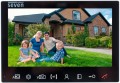 | 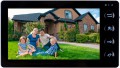 |
|---|---|---|
| Seven Systems DP-7575FHD | Seven Systems DP-7574 | |
from $118.95 up to $134.34 | from $80.25 | |
| TOP sellers | ||
Main specs | ||
| Type | internal panel (intercom) | internal panel (intercom) |
| Connection | wired | |
Internal panel (intercom) | ||
| Display size | 7 " | 7 " |
| Screen resolution | 1024x600 px | 1024x600 px |
| Touch buttons |  | |
| Pluggable outdoor panels | 2 | 2 |
| Additional internal panels | 5 pcs | 6 pcs |
| Connectable surveillance cameras | 2 pcs | 2 pcs |
| Features | event recording support motion sensor recording internal communication (intercom) voice message (answering machine) card reader up to 128 GB photo frame mode | event recording support motion sensor recording internal communication (intercom) voice message (answering machine) card reader up to 128 GB photo frame mode |
| Consumption (standby) | 3 W | |
| Consumption (during operation) | 7.2 W | |
| Operating temperature | -10 °C ~ +60 °C | -10 °C ~ +60 °C |
| Size | 175x122x20 mm | 175x122x20 mm |
| Color | ||
| Added to E-Catalog | december 2019 | march 2019 |


Compare Seven Systems DP-7575FHD and DP-7574
You may be interested in
My comparisons
Glossary
Connection
— Wired. A classic setup where the signal is transmitted directly via cable without digitization, typically using a 4-core or coaxial cable. This type of connection is simple, stable, and does not require network infrastructure, making it a reliable solution for basic systems. It ensures the transmission of video, audio, and control signal (lock opening) with minimal delay, but is limited in functionality—lacking remote access, integration into IP systems, and high-resolution transmission. Suitable for inexpensive or existing analog installations.
— LAN (RJ-45). The LAN port (RJ-45) in intercom systems and call panels is designed for wired connection to a local network and provides stable data transmission, which is especially important for IP models. It allows the device to be integrated into a surveillance system, connected to a network video recorder, transmit video and sound without delays, and also provides remote access via an app or cloud service. Compared to Wi-Fi, LAN connection is more reliable, protected from interference, and better suited for systems where constant communication and quick response are crucial.
— Wi-Fi. Wi-Fi in intercom systems and call panels provides a wireless connection to the network, allowing the transmission of video and audio signals, device management via an app, and notifications on a smartphone. This option simpli...fies installation, especially in places where cable routing is difficult, and provides access to remote management and cloud storage functions. However, Wi-Fi is more susceptible to interference and signal loss, especially with weak coverage or an overloaded network, so it requires a stable connection for proper operation, particularly during video calls and recording.
— LAN (RJ-45). The LAN port (RJ-45) in intercom systems and call panels is designed for wired connection to a local network and provides stable data transmission, which is especially important for IP models. It allows the device to be integrated into a surveillance system, connected to a network video recorder, transmit video and sound without delays, and also provides remote access via an app or cloud service. Compared to Wi-Fi, LAN connection is more reliable, protected from interference, and better suited for systems where constant communication and quick response are crucial.
— Wi-Fi. Wi-Fi in intercom systems and call panels provides a wireless connection to the network, allowing the transmission of video and audio signals, device management via an app, and notifications on a smartphone. This option simpli...fies installation, especially in places where cable routing is difficult, and provides access to remote management and cloud storage functions. However, Wi-Fi is more susceptible to interference and signal loss, especially with weak coverage or an overloaded network, so it requires a stable connection for proper operation, particularly during video calls and recording.
Additional internal panels
The number of additional monitors that can be connected to the intercom at the same time.
This function is relevant only for video-enabled models — video intercoms and IP intercoms (see “Device type”). In such models, the intercom itself is called a monitor — an indoor unit with a screen. This paragraph indicates how many additional indoor units can be connected to this model. The need for such a connection arises in cases where access to the security system must be provided from several points at once — for example, in a private house on several floors, where it would be inconvenient to run from floor to floor to the intercom. In this case, intercoms with access to 3 monitors, 4 monitors or more are appropriate.
Note that the format of multiple monitors working together may be different, see "Connection Type" for more details.
This function is relevant only for video-enabled models — video intercoms and IP intercoms (see “Device type”). In such models, the intercom itself is called a monitor — an indoor unit with a screen. This paragraph indicates how many additional indoor units can be connected to this model. The need for such a connection arises in cases where access to the security system must be provided from several points at once — for example, in a private house on several floors, where it would be inconvenient to run from floor to floor to the intercom. In this case, intercoms with access to 3 monitors, 4 monitors or more are appropriate.
Note that the format of multiple monitors working together may be different, see "Connection Type" for more details.
Consumption (standby)
The amount of energy consumed by the intercom in standby mode. In this mode, the device is energized and is in a state of readiness to receive a call; no functions are used, and the readiness itself does not require a lot of energy. Therefore, the value of this parameter, usually, is rather low, and you should pay attention to it only if you fundamentally strive for maximum efficiency of the installed equipment.
Consumption (during operation)
Power consumption of the intercom in the operating mode. Usually, this item indicates the value for situations where the device's functions are used to the fullest — in particular, when the display is on and the speakerphone is on (if any, see above). Note that the consumption in the operating mode rarely exceeds 20 W, so in most cases it is more of a reference, and not a practically significant parameter.