
Comparison electric Toothbrushes
Save List
Add to comparison | 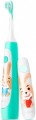 |
|---|---|
| Soocas C1 | |
from $35.05 | |
| TOP sellers | |
An interactive mobile application for a fun learning brushing experience. 2 operating modes. pressure sensor. Long battery life. Synchronization with a smartphone. Nozzle case. Stickers and a spare panel on the case. | |
| Suitable for | children's toothbrush |
| Brushing technology | sonic |
In box | |
| Number of nozzles | 1 pcs |
| Nozzles purpose | standard |
Specs | |
| Power / intensity modes | 1 |
| Toothbrush operating modes | 2 |
| Modes | daily brushing (2D) delicate brushing |
Features | |
| Auto frequency control |  |
| Smartphone synchronization | |
| Additionally in a set | charging stand box / case |
Power supply | |
| Power source | accumulator powered |
| Max. operating time | 80 min |
| Full charge time | 12 h |
General | |
| Weight | 107 g |
| Added to E-Catalog | march 2019 |


You may be interested in
Glossary
Suitable for
The purpose indicates for whom an electric toothbrush or set is designed. In electric brushes, this is important not only due to the size of the head but also due to the power of vibrations/rotations, cleaning modes, pressure sensor, and the comfort of the handle.
— Adult toothbrush. Adult electric brushes are intended for permanent teeth, a larger jaw, and the usual cleaning pressure. Such models are generally not suitable for children due to the large head, higher intensity of movements, and a body that's difficult to hold with a small hand. For example, an adult electric brush works well with plaque along the gum line or around braces for teens and adults, but for a younger child, it's better to choose a separate children's model.
— Adult toothbrush 2 pcs. A set for two adult users includes two full electric toothbrushes, each designed for individual daily use. This is a convenient option for a couple or family where everyone needs a separate handle with a motor, rather than just different attachments on one brush.
— Children's toothbrush. A model for children is created taking into account small teeth, delicate enamel and gums, as well as an uncertain brushing technique. It differs from an adult toothbrush with a smaller head, more gentle intensity, and often additional motivational elements, such as a timer, lighting, or a bright design....Often children's brushes are targeted at a specific age, which depends on the size of the head and the bristle stiffness of the head.
— Adult + children's toothbrush. This set combines a full-fledged adult electric toothbrush and a separate children's model adapted to the child's age. It is convenient for family use when an adult needs standard power and head size, and a child needs softer and safer cleaning.
— Adult toothbrush. Adult electric brushes are intended for permanent teeth, a larger jaw, and the usual cleaning pressure. Such models are generally not suitable for children due to the large head, higher intensity of movements, and a body that's difficult to hold with a small hand. For example, an adult electric brush works well with plaque along the gum line or around braces for teens and adults, but for a younger child, it's better to choose a separate children's model.
— Adult toothbrush 2 pcs. A set for two adult users includes two full electric toothbrushes, each designed for individual daily use. This is a convenient option for a couple or family where everyone needs a separate handle with a motor, rather than just different attachments on one brush.
— Children's toothbrush. A model for children is created taking into account small teeth, delicate enamel and gums, as well as an uncertain brushing technique. It differs from an adult toothbrush with a smaller head, more gentle intensity, and often additional motivational elements, such as a timer, lighting, or a bright design....Often children's brushes are targeted at a specific age, which depends on the size of the head and the bristle stiffness of the head.
— Adult + children's toothbrush. This set combines a full-fledged adult electric toothbrush and a separate children's model adapted to the child's age. It is convenient for family use when an adult needs standard power and head size, and a child needs softer and safer cleaning.
Brushing technology
The cleaning technology used by the toothbrush (see Type).
Nowadays, you can mainly find brushes with reciprocating-rotating, reciprocating-sweeping, and sonic cleaning technologies; the first two options can also be supplemented with pulsating technology. The main difference between these methods is the nature of the bristles' movement; here is a more detailed description of each option:
— Reciprocating-rotating. The traditional way of moving bristles in brushes with round heads. As the name suggests, such a head rotates back and forth at a small angle during operation. This technology is considered somewhat more advanced than reciprocating-sweeping — in particular, it provides better treatment of the interdental space and other similar places. True, such brushes are still not as effective as sonic ones — but they are also noticeably cheaper.
— Reciprocating-sweeping. Historically, this is the first technology used in brushes with oval attachments. The bristles in models with this operating principle oscillate left and right, like the twigs of a broom — hence the name. Classic reciprocating-sweeping brushes are simple in design, but not very effective. As a result, there are few such models these days, mostly budget devices, and most brushes with oval heads use more advanced sonic technology.
—...Pulsating. Usually this term refers to the operating format in which the bristles move up and down relative to the surface of the nozzle, in other words — they go deep into the head and extend back. This technology is almost never used in its pure form; it usually complements a reciprocating-rotating or reciprocating-sweeping head, providing the ability to 3D clean (see “Modes”). But if the 3D mode is not declared in the toothbrush, it is worth separately clarifying what is meant by pulsating technology. So, in some models we are actually talking about a whitening mode, when for maximum intensity of action the device does not work constantly, but in separate pulses; in others, the term “pulsating” actually refers to the sound mode of operation.
— Sonic. A cleaning technology that involves oscillating bristles with a small amplitude at a high frequency. This method of operation is considered more advanced than the reciprocating-rotating and especially the reciprocating-sweeping technology. Thus, due to the high speed of oscillations, sonic brushes create a fine homogeneous foam from paste, saliva and air during cleaning — this foam easily penetrates even hard-to-reach places; in addition, the vibration itself is effective in affecting plaque, including in the interdental space.
Nowadays, you can mainly find brushes with reciprocating-rotating, reciprocating-sweeping, and sonic cleaning technologies; the first two options can also be supplemented with pulsating technology. The main difference between these methods is the nature of the bristles' movement; here is a more detailed description of each option:
— Reciprocating-rotating. The traditional way of moving bristles in brushes with round heads. As the name suggests, such a head rotates back and forth at a small angle during operation. This technology is considered somewhat more advanced than reciprocating-sweeping — in particular, it provides better treatment of the interdental space and other similar places. True, such brushes are still not as effective as sonic ones — but they are also noticeably cheaper.
— Reciprocating-sweeping. Historically, this is the first technology used in brushes with oval attachments. The bristles in models with this operating principle oscillate left and right, like the twigs of a broom — hence the name. Classic reciprocating-sweeping brushes are simple in design, but not very effective. As a result, there are few such models these days, mostly budget devices, and most brushes with oval heads use more advanced sonic technology.
—...Pulsating. Usually this term refers to the operating format in which the bristles move up and down relative to the surface of the nozzle, in other words — they go deep into the head and extend back. This technology is almost never used in its pure form; it usually complements a reciprocating-rotating or reciprocating-sweeping head, providing the ability to 3D clean (see “Modes”). But if the 3D mode is not declared in the toothbrush, it is worth separately clarifying what is meant by pulsating technology. So, in some models we are actually talking about a whitening mode, when for maximum intensity of action the device does not work constantly, but in separate pulses; in others, the term “pulsating” actually refers to the sound mode of operation.
— Sonic. A cleaning technology that involves oscillating bristles with a small amplitude at a high frequency. This method of operation is considered more advanced than the reciprocating-rotating and especially the reciprocating-sweeping technology. Thus, due to the high speed of oscillations, sonic brushes create a fine homogeneous foam from paste, saliva and air during cleaning — this foam easily penetrates even hard-to-reach places; in addition, the vibration itself is effective in affecting plaque, including in the interdental space.
Number of nozzles
The number of working nozzles that are standardly supplied with the device. Nowadays, options are quite common with both one and two or three nozzles in the kit; and in the most extensive sets, this number can be four or five or even more.
In many sets, several nozzles may have different purposes. For instance, an irrigator, in addition to its standard nozzle, might include orthodontic and periodontal nozzles. However, it's important to note that models with the same number of accessories in the kit can have different specific specializations. So, when making a choice, it's wise to consider not just the quantity but also the types of nozzles available. Additionally, there's an option where several identical interchangeable heads come with one handle. This configuration is particularly common in toothbrushes. It enables multiple individuals, such as family members, to use a single device, and such a set is usually more cost-effective than purchasing individual toothbrushes for each person.
In many sets, several nozzles may have different purposes. For instance, an irrigator, in addition to its standard nozzle, might include orthodontic and periodontal nozzles. However, it's important to note that models with the same number of accessories in the kit can have different specific specializations. So, when making a choice, it's wise to consider not just the quantity but also the types of nozzles available. Additionally, there's an option where several identical interchangeable heads come with one handle. This configuration is particularly common in toothbrushes. It enables multiple individuals, such as family members, to use a single device, and such a set is usually more cost-effective than purchasing individual toothbrushes for each person.
Nozzles purpose
— Standard. The main brush head is used for regular oral hygiene and is usually included with an electric toothbrush. It is suitable for cleaning the outer, inner, and chewing surfaces of teeth, while its effectiveness depends on the head shape, bristle arrangement, and bristle firmness. A round head is convenient for thorough cleaning of individual teeth, while an oval one cleans a wide surface faster and is closer in shape to a regular toothbrush.
— For sensitive teeth. A replacement head with especially soft bristles for gentle daily cleaning of enamel and the gumline. It reduces discomfort during brushing and is suitable for people with increased sensitivity, gums prone to irritation, or during the period after dental procedures. The head can be round — for careful cleaning of each tooth, or oval — for gentle cleaning of a larger surface in one movement.
— For whitening. A whitening head is designed for more intensive cleaning of teeth from discoloration and stained plaque. The special shape of the bristles or a polishing insert positioned in the center treats the outer surface of the teeth more effectively than a standard head. The result is most noticeable with regular consumption of coffee, strong tea, and other staining products; however, the head does not change the natural colo...r of the enamel.
— Orthodontic (for braces). Specialized heads for removing plaque and dirt from hard-to-reach areas under braces and other orthodontic appliances. A standard head can also be used for this purpose, but such accessories handle these tasks more effectively.
— For implants. Heads for cleaning implants, crowns, bridges, and other similar appliances. They are largely similar in functionality to heads for braces — primarily intended for effective cleaning of hard-to-reach areas.
— Single-tuft (for spot cleaning). A compact head with one small tuft of bristles for cleaning hard-to-reach areas. It helps remove plaque between teeth, along the gumline, near back teeth, and around braces, crowns, and implants. The head complements regular brushing, but does not replace dental floss or an interdental brush in narrow gaps between teeth.
— For gum massage. A replacement accessory with soft rubber elements designed for gentle action on the tissues around the teeth. The massage head helps stimulate blood circulation and can be used as an addition to daily brushing, especially for sensitive gums. Unlike a regular brush head, such a head removes almost no plaque and does not replace thorough tooth brushing.
— For tongue cleaning. Special heads for cleaning the tongue and the inner surface of the cheeks from unwanted coating. This procedure contributes to overall oral hygiene and helps eliminate bad breath. Toothbrushes for tongue cleaning use a head with a special surface, featuring small hard protrusions up to one millimeter high instead of bristles: such protrusions effectively clean the tongue first and foremost.
— For sensitive teeth. A replacement head with especially soft bristles for gentle daily cleaning of enamel and the gumline. It reduces discomfort during brushing and is suitable for people with increased sensitivity, gums prone to irritation, or during the period after dental procedures. The head can be round — for careful cleaning of each tooth, or oval — for gentle cleaning of a larger surface in one movement.
— For whitening. A whitening head is designed for more intensive cleaning of teeth from discoloration and stained plaque. The special shape of the bristles or a polishing insert positioned in the center treats the outer surface of the teeth more effectively than a standard head. The result is most noticeable with regular consumption of coffee, strong tea, and other staining products; however, the head does not change the natural colo...r of the enamel.
— Orthodontic (for braces). Specialized heads for removing plaque and dirt from hard-to-reach areas under braces and other orthodontic appliances. A standard head can also be used for this purpose, but such accessories handle these tasks more effectively.
— For implants. Heads for cleaning implants, crowns, bridges, and other similar appliances. They are largely similar in functionality to heads for braces — primarily intended for effective cleaning of hard-to-reach areas.
— Single-tuft (for spot cleaning). A compact head with one small tuft of bristles for cleaning hard-to-reach areas. It helps remove plaque between teeth, along the gumline, near back teeth, and around braces, crowns, and implants. The head complements regular brushing, but does not replace dental floss or an interdental brush in narrow gaps between teeth.
— For gum massage. A replacement accessory with soft rubber elements designed for gentle action on the tissues around the teeth. The massage head helps stimulate blood circulation and can be used as an addition to daily brushing, especially for sensitive gums. Unlike a regular brush head, such a head removes almost no plaque and does not replace thorough tooth brushing.
— For tongue cleaning. Special heads for cleaning the tongue and the inner surface of the cheeks from unwanted coating. This procedure contributes to overall oral hygiene and helps eliminate bad breath. Toothbrushes for tongue cleaning use a head with a special surface, featuring small hard protrusions up to one millimeter high instead of bristles: such protrusions effectively clean the tongue first and foremost.
Power / intensity modes
The number of power modes provided in the device. For flossing systems (see "Type"), this paragraph takes into account the characteristics of the irrigator; data on the toothbrush (if they differ) are indicated in the note.
It's important to distinguish between the number of power settings and the number of operating modes, as these are distinct parameters. Refer to the "Operating modes" section for details on the various modes. In this context, we emphasize that power adjustment, if available, may not be accessible in all modes. For example, in an irrigator offering two modes of operation—continuous jet and pulsation—power adjustment might only be available in the continuous jet mode.
Having multiple power settings enhances the versatility of the device. Even if a device technically offers only one operating mode, the ability to adjust the intensity of the treatment allows users to tailor the device for various tasks. For instance, in many toothbrushes, the traditional 2D brushing mode at its lowest power setting effectively serves as a gentle treatment option. However, it's worth noting that the capability to adjust power levels can somewhat increase the device's cost.
It's important to distinguish between the number of power settings and the number of operating modes, as these are distinct parameters. Refer to the "Operating modes" section for details on the various modes. In this context, we emphasize that power adjustment, if available, may not be accessible in all modes. For example, in an irrigator offering two modes of operation—continuous jet and pulsation—power adjustment might only be available in the continuous jet mode.
Having multiple power settings enhances the versatility of the device. Even if a device technically offers only one operating mode, the ability to adjust the intensity of the treatment allows users to tailor the device for various tasks. For instance, in many toothbrushes, the traditional 2D brushing mode at its lowest power setting effectively serves as a gentle treatment option. However, it's worth noting that the capability to adjust power levels can somewhat increase the device's cost.
Toothbrush operating modes
The number of brush modes provided by the device. The presence of several modes allows using the device for different procedures (for example, daily cleaning, delicate cleaning, whitening, etc.). Each such program has its own features of the working nozzle, as well as its own timer settings. The downside of such multifunctionality is the increased cost. In any case, this feature significantly expands the capabilities of the device; however, the specific set of modes may be different - it would not hurt to clarify it separately.
In this case, the mode means the general format of operation. For more information on the different formats, see "Modes" below. Note that this parameter should not be confused with the number of power settings. The latter is specified separately - see "Power modes", and in general, these characteristics are practically independent of each other. For example, a brush with one mode of operation can have several power settings. And vice versa, there may be only one power level, but several formats of operation.
In this case, the mode means the general format of operation. For more information on the different formats, see "Modes" below. Note that this parameter should not be confused with the number of power settings. The latter is specified separately - see "Power modes", and in general, these characteristics are practically independent of each other. For example, a brush with one mode of operation can have several power settings. And vice versa, there may be only one power level, but several formats of operation.
Modes
Operating modes supported by the device.
Nowadays, toothbrushes offer the greatest variety of modes. In addition to traditional (so-called '2D') daily cleaning, they may include a 3D-mode, programs for sensitive and deep cleaning, polishing, whitening, gum massage, and tongue cleaning.
— Daily Cleaning (2D). The operating mode most similar to traditional (manual) toothbrushes. In this mode, the bristles move in a single plane; the trajectory can vary depending on the cleaning technology (see below). The intensity is usually medium/high, making this mode primarily for relatively healthy and not too sensitive teeth. The recommended time for daily cleaning is 2 minutes, 30 seconds for each quadrant of the mouth; relevant settings are typically provided in the timer (if available — see below). Generally, 2D cleaning is somewhat less effective than 3D (see below), but even the cheapest toothbrushes can offer this feature.
— Daily Cleaning (3D). A feature found in brushes with oscillating-rotating and sweeping technology. In these models, in addition to the primary cleaning technology, there is an up-and-down pulsation of bristles (more precisely, into the head and back). This allows cleaning in three planes, consid...erably improving efficiency compared to the 2D cleaning described above: the bristles not only process the outer tooth surface but also somewhat reach the sides and interdental spaces (although it is not a full replacement for using dental floss). The traditional downside of this feature is the relatively high cost.
— Sensitive Cleaning. A program for gentle treatment, mainly used for sensitive teeth and gums prone to bleeding. In brushes with oscillating-rotating and sweeping cleaning technology (see below), the sensitive mode usually involves reduced rotation/oscillation speed of the nozzle; in sonic and ultrasonic models, gentle treatment may be provided by decreasing the amplitude of oscillations. In any case, this mode minimizes discomfort during cleaning and the risk of gum damage — even with standard nozzles; for the most gentle effect, use this function with a sensitive teeth nozzle.
— Deep Cleaning. This name commonly refers to a cleaning with standard intensity, but extended duration — for instance, 3 minutes instead of the usual 2 minutes (45 seconds per quadrant of the mouth instead of the traditional 30 seconds). This mode allows for maximum effective tooth cleaning and removal of deposits insufficiently cleared by regular daily cleaning.
— Polishing. A mode for treating relatively clean teeth that do not require a full cleaning session. Usually, polishing is performed at a reduced frequency of oscillations (rotations) and takes significantly less time than regular treatment (e.g., 1 minute instead of the traditional 2 minutes).
— Whitening. A special mode for lightening tooth enamel and removing various stains, especially from the front teeth. It may be an extended version of the usual cleaning mode: for example, when whitening is enabled, the brush operates in a regular format for 2 minutes, then at increased intensity for 30 seconds. It's worth checking these specifics separately; also check contraindications for using this mode (especially for sensitive teeth and/or gum issues).
— Gum Massage. Gum treatment may be provided as a completely separate program or as an addition to the normal cleaning mode. This feature not only ensures effective cleaning but also strengthens the gums — useful for treating inflammation and bleeding, though it's best to consult with a doctor beforehand in such cases.
— Tongue Cleaning. A separate mode for cleaning the tongue. For many people, cleaning the tongue with an electric toothbrush causes a tickling sensation that's hard to endure for a long time. Therefore, this mode typically involves a brief duration of continuous treatment — around 20 seconds; several such 'sessions' can be made if necessary. It's also worth noting that having a tongue cleaning mode does not automatically mean a special attachment for such cleaning is included (see 'Attachments'), although such a tool is usually part of the set.
Note that in some toothbrushes, changing modes is done using 'smart' attachments: when such an attachment is installed, the device recognizes it via a built-in chip and automatically switches to the appropriate program.
Nowadays, toothbrushes offer the greatest variety of modes. In addition to traditional (so-called '2D') daily cleaning, they may include a 3D-mode, programs for sensitive and deep cleaning, polishing, whitening, gum massage, and tongue cleaning.
— Daily Cleaning (2D). The operating mode most similar to traditional (manual) toothbrushes. In this mode, the bristles move in a single plane; the trajectory can vary depending on the cleaning technology (see below). The intensity is usually medium/high, making this mode primarily for relatively healthy and not too sensitive teeth. The recommended time for daily cleaning is 2 minutes, 30 seconds for each quadrant of the mouth; relevant settings are typically provided in the timer (if available — see below). Generally, 2D cleaning is somewhat less effective than 3D (see below), but even the cheapest toothbrushes can offer this feature.
— Daily Cleaning (3D). A feature found in brushes with oscillating-rotating and sweeping technology. In these models, in addition to the primary cleaning technology, there is an up-and-down pulsation of bristles (more precisely, into the head and back). This allows cleaning in three planes, consid...erably improving efficiency compared to the 2D cleaning described above: the bristles not only process the outer tooth surface but also somewhat reach the sides and interdental spaces (although it is not a full replacement for using dental floss). The traditional downside of this feature is the relatively high cost.
— Sensitive Cleaning. A program for gentle treatment, mainly used for sensitive teeth and gums prone to bleeding. In brushes with oscillating-rotating and sweeping cleaning technology (see below), the sensitive mode usually involves reduced rotation/oscillation speed of the nozzle; in sonic and ultrasonic models, gentle treatment may be provided by decreasing the amplitude of oscillations. In any case, this mode minimizes discomfort during cleaning and the risk of gum damage — even with standard nozzles; for the most gentle effect, use this function with a sensitive teeth nozzle.
— Deep Cleaning. This name commonly refers to a cleaning with standard intensity, but extended duration — for instance, 3 minutes instead of the usual 2 minutes (45 seconds per quadrant of the mouth instead of the traditional 30 seconds). This mode allows for maximum effective tooth cleaning and removal of deposits insufficiently cleared by regular daily cleaning.
— Polishing. A mode for treating relatively clean teeth that do not require a full cleaning session. Usually, polishing is performed at a reduced frequency of oscillations (rotations) and takes significantly less time than regular treatment (e.g., 1 minute instead of the traditional 2 minutes).
— Whitening. A special mode for lightening tooth enamel and removing various stains, especially from the front teeth. It may be an extended version of the usual cleaning mode: for example, when whitening is enabled, the brush operates in a regular format for 2 minutes, then at increased intensity for 30 seconds. It's worth checking these specifics separately; also check contraindications for using this mode (especially for sensitive teeth and/or gum issues).
— Gum Massage. Gum treatment may be provided as a completely separate program or as an addition to the normal cleaning mode. This feature not only ensures effective cleaning but also strengthens the gums — useful for treating inflammation and bleeding, though it's best to consult with a doctor beforehand in such cases.
— Tongue Cleaning. A separate mode for cleaning the tongue. For many people, cleaning the tongue with an electric toothbrush causes a tickling sensation that's hard to endure for a long time. Therefore, this mode typically involves a brief duration of continuous treatment — around 20 seconds; several such 'sessions' can be made if necessary. It's also worth noting that having a tongue cleaning mode does not automatically mean a special attachment for such cleaning is included (see 'Attachments'), although such a tool is usually part of the set.
Note that in some toothbrushes, changing modes is done using 'smart' attachments: when such an attachment is installed, the device recognizes it via a built-in chip and automatically switches to the appropriate program.
Auto frequency control
The presence of an automatic frequency control in a toothbrush (sold separately or included in the delivery of the dental centre — see "Type").
This feature is exclusively present in sonic and ultrasonic toothbrush models, as mentioned in the "Cleaning Technology" section. The fundamental idea behind it is that the toothbrush automatically adjusts its oscillation frequency based on the selected mode. However, the specific implementation can vary. Some models operate only at predetermined frequency settings, while others offer manual adjustment of this parameter. There are also different control methods, such as the use of "smart" nozzles that trigger the corresponding mode automatically when attached. Regardless of the approach, automatic frequency control simplifies the user's experience by eliminating the need for unnecessary adjustments.
This feature is exclusively present in sonic and ultrasonic toothbrush models, as mentioned in the "Cleaning Technology" section. The fundamental idea behind it is that the toothbrush automatically adjusts its oscillation frequency based on the selected mode. However, the specific implementation can vary. Some models operate only at predetermined frequency settings, while others offer manual adjustment of this parameter. There are also different control methods, such as the use of "smart" nozzles that trigger the corresponding mode automatically when attached. Regardless of the approach, automatic frequency control simplifies the user's experience by eliminating the need for unnecessary adjustments.
Smartphone synchronization
The ability to synchronize the device with a smartphone, tablet or other similar gadget. It is found mainly in toothbrushes, but can also be used in other types of devices (see "Type").
Synchronization with an external gadget, typically via Bluetooth, requires the installation of a dedicated application. The functionality of this app determines the available features when using the toothbrush with a smartphone or tablet. However, these functions extend well beyond what the toothbrush can do on its own, thanks to the smartphone or tablet's screen capabilities. Common features include displaying a timer countdown and the ability to customize the timer settings if the default values don't meet the user's preferences. The application also typically provides other relevant information, such as the selected brushing program and battery charge status. Some toothbrushes with this feature can even assess the overall effectiveness of each brushing session, process this data within the app (like tracking trends over time), and sometimes transmit this information over the internet, allowing for remote consultations with a dentist.
While in the past, the primary drawback of models offering smartphone synchronization was their high price, nowadays, even low-cost-friendly toothbrushes come with this feature. Additionally, some models go the extra mile by including dedicated smartphone holders for added convenience.
Synchronization with an external gadget, typically via Bluetooth, requires the installation of a dedicated application. The functionality of this app determines the available features when using the toothbrush with a smartphone or tablet. However, these functions extend well beyond what the toothbrush can do on its own, thanks to the smartphone or tablet's screen capabilities. Common features include displaying a timer countdown and the ability to customize the timer settings if the default values don't meet the user's preferences. The application also typically provides other relevant information, such as the selected brushing program and battery charge status. Some toothbrushes with this feature can even assess the overall effectiveness of each brushing session, process this data within the app (like tracking trends over time), and sometimes transmit this information over the internet, allowing for remote consultations with a dentist.
While in the past, the primary drawback of models offering smartphone synchronization was their high price, nowadays, even low-cost-friendly toothbrushes come with this feature. Additionally, some models go the extra mile by including dedicated smartphone holders for added convenience.