
Comparison Beurer PS 240 vs Tanita HD-351
Add to comparison | 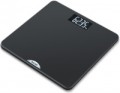 | 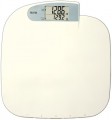 |
|---|---|---|
| Beurer PS 240 | Tanita HD-351 | |
| Compare prices 2 | from $105.00 | |
| User reviews | ||
| TOP sellers | ||
| Scales type | floor | floor |
| Mechanism | electronic | electronic |
| Max. measurement weight | 180 kg | 200 kg |
| Scale division | 50 g | 100 g |
| Units of measurement | kg / lb / stones | kg / lb / stones |
Features | ||
| Functions | automatic activation automatic switch-off | automatic switch-off |
General | ||
| Memory | 5 users | |
| Platform material | metal | plastic |
| Power source | 3xAAA | 4xAA |
| Dimensions | 300x300x21 mm | |
| Color | ||
| Added to E-Catalog | august 2014 | november 2013 |




Compare Beurer PS 240 and Tanita HD-351
Price comparison
You may be interested in
My comparisons
Beurer PS 240 often compared


Glossary
Max. measurement weight
The largest weight that is allowed to be placed on the platform of this scale model. If this parameter is exceeded, the scales, at best, will not be able to show the correct data, at worst, they will completely fail. Obviously, the maximum weight is directly related to the purpose, but even kitchen scales can weigh both up to 5 kg and up to 20 kg.
Actually, floor scales have the largest maximum measurement weight, in such models it can reach 200 kg or even more. And the most delicate are jewelry models (refer to "Type"). Also note that in mechanical devices (refer to "Mechanism") the scale is usually graduated to the maximum weight.
Now on the market there are scales with such a maximum weight: up to 1 kg, up to 5 kg, up to 10 kg, up to 50 kg, up to 150 kg, up to 200 kg.
Actually, floor scales have the largest maximum measurement weight, in such models it can reach 200 kg or even more. And the most delicate are jewelry models (refer to "Type"). Also note that in mechanical devices (refer to "Mechanism") the scale is usually graduated to the maximum weight.
Now on the market there are scales with such a maximum weight: up to 1 kg, up to 5 kg, up to 10 kg, up to 50 kg, up to 150 kg, up to 200 kg.
Scale division
Scale division value. Initially, the term "scale division" referred only to mechanical devices (see "Mechanism") and meant the distance between divisions on a scale; however, out of habit, they began to use it for electronic scales. Moreover, both there and there the meaning of this parameter is the same — in fact, it directly describes the accuracy of measurements. For example, if the division value is 1 g, the weight on such devices can be measured with an accuracy of 1 g, regardless of whether it is a mechanical model or an electronic one.
Theoretically, the lower the division value, the more accurate the measurements and the more advanced the device is. On the other hand, high accuracy has a corresponding effect on the price, although in some situations it is not required in principle. So when choosing it is worth considering the features of the application of the device. For example, a kitchen scale with a division value of 0.5 – 1 g will be indispensable for a sophisticated cooker who cooks according to complex recipes with an abundance of ingredients in a small dosage; and for ordinary household cooking on a large scale, an accuracy of 10–20 g is quite enough. But there are also cases when, over the entire measurement range, the division value changes. So for more correct measurements (low weight), the accuracy can be measured in units of grams, for average values — in tens of grams, and already for heavyweights, where an er...ror of 50 – 100 grams is not so critical, even in hundreds of grams. In such cases, we have a value for the general average range in the catalog (if we take into account the floor, then this is approximately for a person of 70 kg).
Theoretically, the lower the division value, the more accurate the measurements and the more advanced the device is. On the other hand, high accuracy has a corresponding effect on the price, although in some situations it is not required in principle. So when choosing it is worth considering the features of the application of the device. For example, a kitchen scale with a division value of 0.5 – 1 g will be indispensable for a sophisticated cooker who cooks according to complex recipes with an abundance of ingredients in a small dosage; and for ordinary household cooking on a large scale, an accuracy of 10–20 g is quite enough. But there are also cases when, over the entire measurement range, the division value changes. So for more correct measurements (low weight), the accuracy can be measured in units of grams, for average values — in tens of grams, and already for heavyweights, where an er...ror of 50 – 100 grams is not so critical, even in hundreds of grams. In such cases, we have a value for the general average range in the catalog (if we take into account the floor, then this is approximately for a person of 70 kg).
Functions
— Tare function. A scale feature that allows you to reset the current reading to zero and not account for additional weight on the platform. In baby scales, it is convenient if you first place a diaper, towel, or soft pad, and then weigh only the baby without their weight. In floor scales, it represents a weighing mode with a child and allows the scale to exclude the mass of an adult and separately determine the weight of the child in arms.
— Automatic activation. Automatic activation of electronic scales when a load is placed on them. Small, but quite handy option.
— Automatic shutdown. This function ensures that the electronic balance (see "Mechanism") turns off some time after the load has been removed from it. Thanks to auto-off, you can not be afraid to run out of batteries by forgetting to turn off the device. And in some models, manual shutdown is not provided at all — only automatic.
— Voice notification. Scales incorporating a voice notification feature offer audible results, typically relayed through the device's speaker. This function is commonly found in bathroom scales (as discussed in "Type of scales"), where it holds significant relevance. It caters to users who may have difficulty viewing the display without leaning or those who might find leaning inconvenient or impractical due to health issue...s. Voice notifications can be provided in various languages, allowing users to select their preferred language from the available options.
— Thermometer. Availability of the built-in thermometer in scales. Usually, this function is performed by a simple thermal sensor that determines the ambient temperature; and most scales with such equipment are kitchen scales or floor scales (refer to "Type of scales"). Note that in fact, the need for a thermometer occurs relatively rarely, and this function is more of a “nice addition” than a serious functional advantage. However, such equipment has almost no effect on the cost of scales — thermal sensors are very inexpensive.
— Synchronization with a smartphone. The capacity to link scales with a mobile device (smartphone, tablet) for data exchange is a prevalent feature. Generally, this involves installing a designated application, which might even be provided alongside the scales. The specifics of this connection and its functionalities can vary, contingent on the type and model of the scale. This feature is commonly found in floor-standing diagnostic scales, where measurement data is used to maintain a record of body information. It particularly benefits athletes, fitness enthusiasts, and individuals using physical activity for therapeutic purposes. Notably, compatibility extends beyond proprietary software to encompass third-party medical and fitness services. Another category of devices featuring synchronization capability is kitchen scales, where the accompanying application is employed for working with various culinary recipes.
— Automatic activation. Automatic activation of electronic scales when a load is placed on them. Small, but quite handy option.
— Automatic shutdown. This function ensures that the electronic balance (see "Mechanism") turns off some time after the load has been removed from it. Thanks to auto-off, you can not be afraid to run out of batteries by forgetting to turn off the device. And in some models, manual shutdown is not provided at all — only automatic.
— Voice notification. Scales incorporating a voice notification feature offer audible results, typically relayed through the device's speaker. This function is commonly found in bathroom scales (as discussed in "Type of scales"), where it holds significant relevance. It caters to users who may have difficulty viewing the display without leaning or those who might find leaning inconvenient or impractical due to health issue...s. Voice notifications can be provided in various languages, allowing users to select their preferred language from the available options.
— Thermometer. Availability of the built-in thermometer in scales. Usually, this function is performed by a simple thermal sensor that determines the ambient temperature; and most scales with such equipment are kitchen scales or floor scales (refer to "Type of scales"). Note that in fact, the need for a thermometer occurs relatively rarely, and this function is more of a “nice addition” than a serious functional advantage. However, such equipment has almost no effect on the cost of scales — thermal sensors are very inexpensive.
— Synchronization with a smartphone. The capacity to link scales with a mobile device (smartphone, tablet) for data exchange is a prevalent feature. Generally, this involves installing a designated application, which might even be provided alongside the scales. The specifics of this connection and its functionalities can vary, contingent on the type and model of the scale. This feature is commonly found in floor-standing diagnostic scales, where measurement data is used to maintain a record of body information. It particularly benefits athletes, fitness enthusiasts, and individuals using physical activity for therapeutic purposes. Notably, compatibility extends beyond proprietary software to encompass third-party medical and fitness services. Another category of devices featuring synchronization capability is kitchen scales, where the accompanying application is employed for working with various culinary recipes.
Memory
The number of users that can be stored in the device's memory.
Memory storage for multiple users is predominantly present in floor models of scales (as indicated in "Type of scales"), particularly those with advanced diagnostic functionalities (although the latter is not a mandatory requirement). These scales can store data for each user across multiple measurements, often including time and date stamps for each reading. Furthermore, these designs might include additional features, such as tracking changes in various parameters since the last measurement.
The choice of memory size depends on the number of users whose data needs to be stored. So, for family use, a device designed for 3 to 4 people is usually enough; less often 6 – 8 memory cells may be required. And the most "capacious" modern scales allow you to store data for 16 – 20 users; this can be useful, for example, for a sports team or a sanatorium group.
Memory storage for multiple users is predominantly present in floor models of scales (as indicated in "Type of scales"), particularly those with advanced diagnostic functionalities (although the latter is not a mandatory requirement). These scales can store data for each user across multiple measurements, often including time and date stamps for each reading. Furthermore, these designs might include additional features, such as tracking changes in various parameters since the last measurement.
The choice of memory size depends on the number of users whose data needs to be stored. So, for family use, a device designed for 3 to 4 people is usually enough; less often 6 – 8 memory cells may be required. And the most "capacious" modern scales allow you to store data for 16 – 20 users; this can be useful, for example, for a sports team or a sanatorium group.
Platform material
The material from which the working surface of the scales is made — platform.
— Plastic. An inexpensive yet practical material suitable for any type of scale. Plastic is often considered not very durable, but this opinion is mistaken: it can even be used to make platforms for floor scales designed for loads of 150 kg or more. A practical advantage of this material is that it does not feel cold to the skin, making it comfortable to stand on even barefoot; this feature can also be quite beneficial for children's models (see "Type of Scales").
— Metal. Metal is characterized by high durability and it gives the device a solid appearance. On the other hand, it is more expensive than plastic, and these benefits are rarely significant for scales. Therefore, this material is mainly used in rather expensive scales. In budget models, "metal" may refer to a thin metal coating applied to a plastic platform.
— Glass. The main feature of glass surfaces is their stylish appearance. Glass is considered fragile, but it takes a substantial impact to break it. Modern glass is strong enough for floor scales with a weight limit of over 100 kg. Another advantage of this material is its ease of cleaning.
— Wood. Wooden platforms look unusual and attractive due to their characteristic color and...surface pattern. Additionally, this option is highly valued by lovers of natural materials and the "eco" style. On the other hand, wood does not have significant practical advantages over plastic and can be noticeably more expensive. As a result, this material is mainly used for design reasons, and there are relatively few "wooden" scales on the market.
— Rubber. Rubber is predominantly found in two types of scales — pocket and floor. In pocket models, the platform refers to the lower part of the device, which rests against the hand when weighing; rubber is a soft and comfortable material for such use, making it quite popular for this type of scale. In floor devices, rubber platforms are used for roughly the same reasons: rubber is softer than plastic, less slippery, making it more comfortable to stand on, and can include massage bumps, whereas on hard plastic, they might cause discomfort. However, these advantages are not key, and rubber is more expensive, which is why it is less common.
In addition to those described above, modern scales can also use other, sometimes quite unusual materials — such as marble or stone (including mosaic-covered platforms), or leather (imitation leather). Such materials are usually employed for aesthetic purposes.
— Plastic. An inexpensive yet practical material suitable for any type of scale. Plastic is often considered not very durable, but this opinion is mistaken: it can even be used to make platforms for floor scales designed for loads of 150 kg or more. A practical advantage of this material is that it does not feel cold to the skin, making it comfortable to stand on even barefoot; this feature can also be quite beneficial for children's models (see "Type of Scales").
— Metal. Metal is characterized by high durability and it gives the device a solid appearance. On the other hand, it is more expensive than plastic, and these benefits are rarely significant for scales. Therefore, this material is mainly used in rather expensive scales. In budget models, "metal" may refer to a thin metal coating applied to a plastic platform.
— Glass. The main feature of glass surfaces is their stylish appearance. Glass is considered fragile, but it takes a substantial impact to break it. Modern glass is strong enough for floor scales with a weight limit of over 100 kg. Another advantage of this material is its ease of cleaning.
— Wood. Wooden platforms look unusual and attractive due to their characteristic color and...surface pattern. Additionally, this option is highly valued by lovers of natural materials and the "eco" style. On the other hand, wood does not have significant practical advantages over plastic and can be noticeably more expensive. As a result, this material is mainly used for design reasons, and there are relatively few "wooden" scales on the market.
— Rubber. Rubber is predominantly found in two types of scales — pocket and floor. In pocket models, the platform refers to the lower part of the device, which rests against the hand when weighing; rubber is a soft and comfortable material for such use, making it quite popular for this type of scale. In floor devices, rubber platforms are used for roughly the same reasons: rubber is softer than plastic, less slippery, making it more comfortable to stand on, and can include massage bumps, whereas on hard plastic, they might cause discomfort. However, these advantages are not key, and rubber is more expensive, which is why it is less common.
In addition to those described above, modern scales can also use other, sometimes quite unusual materials — such as marble or stone (including mosaic-covered platforms), or leather (imitation leather). Such materials are usually employed for aesthetic purposes.
Power source
The vast majority of electronic scales are powered by a battery pack. But some models may have a built-in battery, which does not require constant replacement. Just remember to recharge the scales.
Battery powered scales can use different types of batteries:
— AA — the format of the classic "finger" batteries;
— AAA — "microfinger" batteries;
— CR2032 — the so-called coin type. Many PC users are familiar with this battery format. "Coins" are used to power BIOS memory in motherboards.
In addition to the type of batteries, you also need to pay attention to their number in the battery compartment.
Battery powered scales can use different types of batteries:
— AA — the format of the classic "finger" batteries;
— AAA — "microfinger" batteries;
— CR2032 — the so-called coin type. Many PC users are familiar with this battery format. "Coins" are used to power BIOS memory in motherboards.
In addition to the type of batteries, you also need to pay attention to their number in the battery compartment.