
Comparison Blaupunkt MSR501 vs Blaupunkt MSR401
Add to comparison | 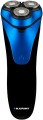 | 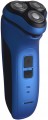 |
|---|---|---|
| Blaupunkt MSR501 | Blaupunkt MSR401 | |
from $109.12 | from $123.69 | |
| TOP sellers | ||
| Type | rotary | rotary |
| Shaving | wet and dry | wet and dry |
| Waterproof | IPX6 | |
| Nozzles | built-in trimmer | built-in trimmer |
Specs | ||
| Shaving heads / foil | 3 pcs | 3 pcs |
| Replacement nozzle model | ACC009 | |
| Features | movable head / foil possibility of water rinsing child lock | |
| In box | charging stand | |
Power source | ||
| Power supply | battery | battery |
| Operating time | 60 min | 60 min |
| Charging time | 1.5 h | 8 h |
| Charging port on the body | branded | |
| Color | ||
| Added to E-Catalog | march 2019 | may 2017 |


Compare Blaupunkt MSR501 and MSR401
You may be interested in
My comparisons
Blaupunkt MSR501 often compared

Glossary
Waterproof
Models feature waterproof casing with varying levels of protection, often indicated by two numbers. The first number pertains to dust resistance and is often marked as X. The second number reflects moisture resistance, particularly water. For instance, IPX3 and IPX4 offer splash protection, IPX5 and IPX6 enable shower use, while electric shavers with IPX7 can be submerged underwater for up to 30 minutes.
Replacement nozzle model
Model of replacement head(s) compatible with electric shaver. This data will be useful primarily when looking for spare nozzles.
Features
— Turbo mode. The function of a short-term increase in the speed of rotation of the motor. This increases the performance of the shaver, which can be especially important when working with thick hair or in hard-to-reach areas. Note that the turbo mode, usually, is not intended for long-term operation.
— Auto-detection of bristles. The electric shaver's head contains a sensor to detect bristle density or stiffness. Through the automatic stubble feature, the shaver's motor adjusts power according to the skin area's requirements. This capability facilitates effective one-pass shaving, even with thick stubble. As the shaving head transitions from dense to moderate bristles, the motor power decreases automatically. This not only conserves battery life but also provides a gentler experience for the skin.
— Floating head/foil. The floating or movable shaving head(s) are capable of moving relative to the shaving unit and shaver body. Such a system follows the contours of the face during shaving, which ensures a tighter fit of the shaving heads to the skin, as a result — a cleaner and better shave, especially in difficult areas.
— Possibility of washing with water. Possibility of washing the shaving unit with water. This method is often much more convenient and effective than dry cleaning with a brush or other method.... Note that being washable with water does not necessarily mean wet shaving (see above).
— Cleaning indicator. A special indicator that notifies the user of the need to clean the shaver.
— Self-sharpening blades. Blades made using a special technology, thanks to which they sharpen themselves, due to friction against each other in the process. Thus, the blades remain sharp at all times, and their maintenance is limited to the replacement of worn blades.
— Child lock. Shavers featuring a safety switch are designed to activate only when held in the user's hand and intentionally turned on. This design prevents unintended activations, such as during travel when the device might shake inside luggage, avoiding unnecessary battery drain during idle moments.
— Auto-detection of bristles. The electric shaver's head contains a sensor to detect bristle density or stiffness. Through the automatic stubble feature, the shaver's motor adjusts power according to the skin area's requirements. This capability facilitates effective one-pass shaving, even with thick stubble. As the shaving head transitions from dense to moderate bristles, the motor power decreases automatically. This not only conserves battery life but also provides a gentler experience for the skin.
— Floating head/foil. The floating or movable shaving head(s) are capable of moving relative to the shaving unit and shaver body. Such a system follows the contours of the face during shaving, which ensures a tighter fit of the shaving heads to the skin, as a result — a cleaner and better shave, especially in difficult areas.
— Possibility of washing with water. Possibility of washing the shaving unit with water. This method is often much more convenient and effective than dry cleaning with a brush or other method.... Note that being washable with water does not necessarily mean wet shaving (see above).
— Cleaning indicator. A special indicator that notifies the user of the need to clean the shaver.
— Self-sharpening blades. Blades made using a special technology, thanks to which they sharpen themselves, due to friction against each other in the process. Thus, the blades remain sharp at all times, and their maintenance is limited to the replacement of worn blades.
— Child lock. Shavers featuring a safety switch are designed to activate only when held in the user's hand and intentionally turned on. This design prevents unintended activations, such as during travel when the device might shake inside luggage, avoiding unnecessary battery drain during idle moments.
In box
— Additional Blade. A replacement cutting module that is installed instead of a dull one to restore a clean cut without irritation and maintain the device's trademark "versatility." Having a spare allows for flexible maintenance planning — you won't depend on the availability of consumables in the store, can keep a separate blade for contours/edging or travel, and maintain hygiene by dividing the application area. The practical effect — fewer pauses, consistent results every week, and predictable expenses, making this configuration more advantageous and convenient compared to options "with only one blade."
— Case. Cases include all sorts of hard constructions for storing the razor. This category also includes pouch-type cases made of dense fabric. Besides securely storing the device, they also elevate the model to a higher class. More budget-friendly electric razors come with a much more primitive fabric case.
— Charging Stand. A special stand on which the razor can be placed to charge the batteries. There are no fundamental technical differences between such charging and charging via a network cable; the main difference is that the stand can also be used for storing the razor. Therefore, razors with a charging stand are well-suited for home use.
— Wireless Charging. A special stand that charges the razor witho...ut a precise plug connection — simply placing the electric razor on it will automatically begin charging the battery unit. This spares the user from fiddling with connecting wires and reduces wear on connectors. On the other hand, such a feature significantly impacts the cost of the razor and increases the duration of the charging process itself, as the charging platforms are made low-power for safety reasons.
— Self-Cleaning Station. This is a special stand where the razor is installed for automated maintenance. As the name suggests, this maintenance primarily includes cleaning — the shaving block is cleared of hairs and dust — as well as recharging the battery. Additionally, self-cleaning systems may include lubrication and disinfection of the shaving block, though this feature is somewhat rarer and requires the use of consumables (oil and disinfectant).
— Case. Cases include all sorts of hard constructions for storing the razor. This category also includes pouch-type cases made of dense fabric. Besides securely storing the device, they also elevate the model to a higher class. More budget-friendly electric razors come with a much more primitive fabric case.
— Charging Stand. A special stand on which the razor can be placed to charge the batteries. There are no fundamental technical differences between such charging and charging via a network cable; the main difference is that the stand can also be used for storing the razor. Therefore, razors with a charging stand are well-suited for home use.
— Wireless Charging. A special stand that charges the razor witho...ut a precise plug connection — simply placing the electric razor on it will automatically begin charging the battery unit. This spares the user from fiddling with connecting wires and reduces wear on connectors. On the other hand, such a feature significantly impacts the cost of the razor and increases the duration of the charging process itself, as the charging platforms are made low-power for safety reasons.
— Self-Cleaning Station. This is a special stand where the razor is installed for automated maintenance. As the name suggests, this maintenance primarily includes cleaning — the shaving block is cleared of hairs and dust — as well as recharging the battery. Additionally, self-cleaning systems may include lubrication and disinfection of the shaving block, though this feature is somewhat rarer and requires the use of consumables (oil and disinfectant).
Charging time
Charging time for the electric shaver battery from a fully discharged state to 100% charge. If freedom of movement when shaving is most important to you in a cordless shaver, and you always have access to the power supply (for example, you rarely travel), this parameter does not matter much. However, if you often travel on trips in which you have to constantly move from place to place, you should pay attention to models with a short charging time.
Charging port on the body
The connector through which the battery is charged from a power supply, power bank, or laptop. The most convenient today is USB-C: it is universal, faster, and doesn't require the "native" cord. Micro-USB is less common and is considered outdated. Proprietary (branded) connectors and magnetic dock contacts are convenient and often better protected from water, but losing the cable will complicate life. When compared, the USB-C port wins in terms of availability and compatibility, while the "branded" base offers stable attachment and better sealing.