
Comparison Imera VAV 100 vs Aquasystem VAV 100
Add to comparison | 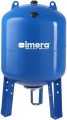 | 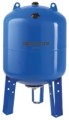 |
|---|---|---|
| Imera VAV 100 | Aquasystem VAV 100 | |
from $107.64 up to $139.92 | from $100.65 up to $136.07 | |
| User reviews | ||
| TOP sellers | ||
| Type | water pressure tank | water pressure tank |
| Installation | vertical | vertical |
| Capacity | 100 L | 100 L |
| Maximum operating pressure | 10 bar | 10 bar |
| Connection size | 1" | 1" |
| Tank material | carbon steel | carbon steel |
| Flange material | carbon steel | |
| Membrane material | EPDM (ethylene propylene diene) | EPDM (ethylene propylene diene) |
| Dimensions | 849x495x495 mm | 849x495x495 mm |
| Added to E-Catalog | august 2015 | february 2015 |


Compare Imera VAV 100 and Aquasystem VAV 100
You may be interested in
My comparisons
Aquasystem VAV often compared


Glossary
Flange material
The material from which the flange of the water pressure tank or expansion tank is made (see "Type").
The flange is a disk located on the side or bottom end of the vessel (in a horizontal and vertical arrangement, respectively). In the centre of the disk is a pipe used to connect the tank to the system. One of the main functions of the flange is precisely the fixation of the pipe in the tank; in addition, in water pressure tanks, an internal membrane is attached to this element using a counter flange.
The flange is one of the most sensitive structural elements to corrosion; that is why the material of this part is important; it is specified in the specs separately and may differ from the material of the container itself. The most widespread nowadays are flanges made of carbon steel and stainless steel, plastic products and combinations of metal with plastic are much less common. Here is a more detailed description of each option:
— Carbon steel. It is steel with a high carbon content, supplemented with a special coating, and is the most popular material for flanges today. The main advantages of this material are ease of production and low cost. On the other hand, such steel is not particularly resistant to corrosion. The mentioned coating (most often zinc) somewhat improves the corrosion resistance. However, this type of flange is still not...particularly durable: their guaranteed service life is from 4 to 6 years, after which the part will have to be changed. For the same reason, carbon steel is not recommended for drinking water systems. However, many consider this material to be optimal in terms of price and durability/quality.
— Stainless steel. Steel with a special composition that provides high resistance to corrosion (hence the name). From this follows the main advantages of such flanges — high reliability, durability and hygiene; the latter allows you to use "stainless steel" without any special restrictions, even for drinking water supply. However, this material is much more expensive than carbon steel.
— Plastic. Plastic combines the advantages of carbon and stainless steel: on the one hand, this material is inexpensive, on the other hand, it is not subject to corrosion. At the same time, such flanges are not durable, which makes them difficult to use in high-pressure vessels and, in general, reduces reliability. Therefore, this material is not popular.
— Metal/plastic. Combined designs that combine a metal base (usually carbon steel) and a plastic inner liner. It allows you to combine the advantages of both materials and partly compensate for the shortcomings: steel provides overall strength, and plastic, which is not afraid of corrosion, is in contact with water. On the other hand, such parts are relatively difficult to manufacture and therefore are rare.
The flange is a disk located on the side or bottom end of the vessel (in a horizontal and vertical arrangement, respectively). In the centre of the disk is a pipe used to connect the tank to the system. One of the main functions of the flange is precisely the fixation of the pipe in the tank; in addition, in water pressure tanks, an internal membrane is attached to this element using a counter flange.
The flange is one of the most sensitive structural elements to corrosion; that is why the material of this part is important; it is specified in the specs separately and may differ from the material of the container itself. The most widespread nowadays are flanges made of carbon steel and stainless steel, plastic products and combinations of metal with plastic are much less common. Here is a more detailed description of each option:
— Carbon steel. It is steel with a high carbon content, supplemented with a special coating, and is the most popular material for flanges today. The main advantages of this material are ease of production and low cost. On the other hand, such steel is not particularly resistant to corrosion. The mentioned coating (most often zinc) somewhat improves the corrosion resistance. However, this type of flange is still not...particularly durable: their guaranteed service life is from 4 to 6 years, after which the part will have to be changed. For the same reason, carbon steel is not recommended for drinking water systems. However, many consider this material to be optimal in terms of price and durability/quality.
— Stainless steel. Steel with a special composition that provides high resistance to corrosion (hence the name). From this follows the main advantages of such flanges — high reliability, durability and hygiene; the latter allows you to use "stainless steel" without any special restrictions, even for drinking water supply. However, this material is much more expensive than carbon steel.
— Plastic. Plastic combines the advantages of carbon and stainless steel: on the one hand, this material is inexpensive, on the other hand, it is not subject to corrosion. At the same time, such flanges are not durable, which makes them difficult to use in high-pressure vessels and, in general, reduces reliability. Therefore, this material is not popular.
— Metal/plastic. Combined designs that combine a metal base (usually carbon steel) and a plastic inner liner. It allows you to combine the advantages of both materials and partly compensate for the shortcomings: steel provides overall strength, and plastic, which is not afraid of corrosion, is in contact with water. On the other hand, such parts are relatively difficult to manufacture and therefore are rare.