
Comparison Peterhof PH-12419 0.4 L vs Peterhof PH-12410 0.4 L
Add to comparison | 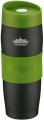 | 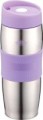 |
|---|---|---|
| Peterhof PH-12419 0.4 L | Peterhof PH-12410 0.4 L | |
from $7.00 up to $7.16 | from $7.00 up to $8.89 | |
| TOP sellers | ||
| Type | thermos mug | thermos mug |
Specs | ||
| Capacity | 400 ml | 400 ml |
| Opening/supply | valve | valve |
| Flask material | stainless steel | stainless steel |
| Material | plastic | stainless steel |
| Color | ||
| Added to E-Catalog | april 2017 | september 2016 |


Compare Peterhof PH-12419 and PH-12410
You may be interested in
My comparisons
Peterhof PH-12419 often compared


Peterhof PH-12410 often compared

Glossary
Material
The material from which the body is made is the outer part of the thermos, inside of which the flask is placed.
— Plastic. One of the main advantages of this material is its low cost. In addition, it can be given any colour, and low thermal conductivity contributes to better temperature retention. On the other hand, plastic cases are noticeably inferior to steel cases in terms of strength and reliability, and scratches easily appear on their surface, due to which the product loses its presentation as it wears out. Therefore, plastic is used mainly in inexpensive models of thermoses.
— Stainless steel. Steel is somewhat more expensive than plastic, but much stronger and more reliable. In addition, the steel surface has a stylish appearance that is long-lasting thanks to its scratch resistance. Among the shortcomings of this material, in addition to the price, high thermal conductivity can be noted; manufacturers usually compensate for this moment with various tricks that further increase the price. Nevertheless, in general, steel is a very favorable material in terms of price and quality, and it is from it that the cases in most modern thermoses are made.
— Plastic. One of the main advantages of this material is its low cost. In addition, it can be given any colour, and low thermal conductivity contributes to better temperature retention. On the other hand, plastic cases are noticeably inferior to steel cases in terms of strength and reliability, and scratches easily appear on their surface, due to which the product loses its presentation as it wears out. Therefore, plastic is used mainly in inexpensive models of thermoses.
— Stainless steel. Steel is somewhat more expensive than plastic, but much stronger and more reliable. In addition, the steel surface has a stylish appearance that is long-lasting thanks to its scratch resistance. Among the shortcomings of this material, in addition to the price, high thermal conductivity can be noted; manufacturers usually compensate for this moment with various tricks that further increase the price. Nevertheless, in general, steel is a very favorable material in terms of price and quality, and it is from it that the cases in most modern thermoses are made.