
Comparison FIAMM Titanium Pro 7905154 vs Energizer Standard E-L3 640
Add to comparison | 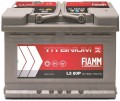 | 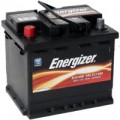 |
|---|---|---|
| FIAMM Titanium Pro 7905154 | Energizer Standard E-L3 640 | |
from $78.60 up to $79.28 | from $67.76 | |
| TOP sellers | ||
| Type | starter | starter |
| Suitable for | car | car |
| Maintenance | maintainable | maintenance free |
| Standard | DIN | DIN |
Specs | ||
| Electrolyte type | SLA (lead acid) | SLA (lead acid) |
| Plate type | hybrid | Ca-Ca |
| Terminals | T1 (cone) | T1 (cone) |
| Terminal placement | long side | long side |
| Polarity | + right | + right |
| Voltage | 12 В | 12 В |
| Battery capacity | 74 Ah | 70 Ah |
| Starting power (EN) | 680 А | 640 А |
| Charge indicator |  |  |
General | ||
| Carrying handle | | |
| Dimensions (LxWxH) | 278x175x190 mm | 278x175x190 mm |
| Added to E-Catalog | april 2016 | february 2016 |


Compare FIAMM Titanium Pro and Energizer Standard
You may be interested in
FIAMM Titanium Pro often compared


Glossary
Maintenance
— Serviceable. Only classic lead-acid batteries (see "Type") are serviceable: they can be easily identified even externally by the presence of removable caps that provide access to the internal compartments with electrolyte. The latter is a mixture of sulfuric acid and water, and with each charge, some of this water "boils off" (breaks down into oxygen and hydrogen and evaporates). This occurs especially intensively during overcharging or charging at increased voltage. Battery maintenance consists of periodically replenishing the water supply in the electrolyte—without this, the decrease in its level leads to plate damage due to contact with air, which irreparably worsens the battery's characteristics. On average, maintenance needs to be carried out 1-2 times a year (15-20 thousand km mileage for a passenger car), and these periods usually coincide with scheduled maintenance. However, this value may vary depending on the characteristics of both the battery itself and its operation; more detailed information is usually contained in the instructions for specific models. "Refilling" should be done exclusively with distilled water, as even relatively small amounts of foreign impurities can damage the plates.
— Maintenance-free. As the name suggests, such batteries do not require the maintenance described above; this is achieved by several methods, in particular by filling the electrolyte with a reserve f...or the entire service life or using gel (see "Type"). Despite the obvious advantages due to ease of use, maintenance-free batteries have one drawback: they are much more sensitive to deep discharge (capacity decreases), and, accordingly, they are less tolerant of cold and long downtimes.
— Maintenance-free. As the name suggests, such batteries do not require the maintenance described above; this is achieved by several methods, in particular by filling the electrolyte with a reserve f...or the entire service life or using gel (see "Type"). Despite the obvious advantages due to ease of use, maintenance-free batteries have one drawback: they are much more sensitive to deep discharge (capacity decreases), and, accordingly, they are less tolerant of cold and long downtimes.
Plate type
All types of lead-acid car batteries can use different types of plates. In fact, these are electrodes that are immersed in electrolyte. They are like this:
— Calcium (Ca-Ca). Lead plates that are doped with calcium in a proportion of no more than 0.1% of the total mass of the electrode. Their advantages are long service life, increased strength and thin plate thickness, low-maintenance or maintenance-free design. Ca-Ca batteries can easily tolerate increased voltages up to 14.8 V and are characterized by a low level of self-discharge. Only a deep discharge of the battery can be destructive for such models, during which the resulting calcium sulfate clogs the pores of the plates and is practically insoluble in the electrolyte. Once discharged, a calcium battery loses up to 20% of its original capacity, which cannot be restored.
— Antimony (Sb-Sb). Antimony was often used in the past to strengthen the strength of lead plates, since lead itself is a soft metal. The antimony content in the plates is 5% or more. Today, Sb-Sb batteries are rare. The fact is that the antimony version of the plates has a significant drawback - they speed up the electrolysis process and water begins to quickly boil away from the electrolyte, which entails exposure of the electrodes and their subsequent shedding. Batteries with antimony plates necessarily require maintenance and quickly become unusable if water is n...ot added in time.
- Hybrid. In the hybrid version, the positive electrode is manufactured using one technology, and the negative electrode using another. The following varieties of “hybrids” are found: argentum-calcium, carbon-calcium, carbon-lead, tin-calcium, etc. Different metals are introduced into the battery structure to ensure optimal battery performance. In particular, some of them guarantee the stability of the power source to deep discharge, others are aimed at low self-discharge of the battery. The most widespread are calcium “hybrids”, designated Calcium Plus or Ca+. In general, batteries with hybrid plates carry the Hybrid brand.
— Calcium (Ca-Ca). Lead plates that are doped with calcium in a proportion of no more than 0.1% of the total mass of the electrode. Their advantages are long service life, increased strength and thin plate thickness, low-maintenance or maintenance-free design. Ca-Ca batteries can easily tolerate increased voltages up to 14.8 V and are characterized by a low level of self-discharge. Only a deep discharge of the battery can be destructive for such models, during which the resulting calcium sulfate clogs the pores of the plates and is practically insoluble in the electrolyte. Once discharged, a calcium battery loses up to 20% of its original capacity, which cannot be restored.
— Antimony (Sb-Sb). Antimony was often used in the past to strengthen the strength of lead plates, since lead itself is a soft metal. The antimony content in the plates is 5% or more. Today, Sb-Sb batteries are rare. The fact is that the antimony version of the plates has a significant drawback - they speed up the electrolysis process and water begins to quickly boil away from the electrolyte, which entails exposure of the electrodes and their subsequent shedding. Batteries with antimony plates necessarily require maintenance and quickly become unusable if water is n...ot added in time.
- Hybrid. In the hybrid version, the positive electrode is manufactured using one technology, and the negative electrode using another. The following varieties of “hybrids” are found: argentum-calcium, carbon-calcium, carbon-lead, tin-calcium, etc. Different metals are introduced into the battery structure to ensure optimal battery performance. In particular, some of them guarantee the stability of the power source to deep discharge, others are aimed at low self-discharge of the battery. The most widespread are calcium “hybrids”, designated Calcium Plus or Ca+. In general, batteries with hybrid plates carry the Hybrid brand.
Battery capacity
The electrical capacity of a battery, in other words, the amount of energy stored by a battery when fully charged. The capacity value is expressed in amp-hours and indicates the number of hours during which a fully charged battery will be discharged to the minimum allowable charge, delivering a current of 1 ampere to the load. For example, a capacity of 40 Ah means that the battery is capable of delivering a current of 1 A for 40 hours, or 2 A for 20 hours, etc. In fact, a more capacious battery gives more attempts to start the engine, and is also able to work longer at a low load (for example, when powering a car audio system).
The capacity requirements for different transport types differ markedly. So, in motorcycle batteries, it rarely exceeds 20 Ah, the average value for passenger cars is 40-80 Ah (but there are options for 100 Ah or more), and for heavy equipment like buses, an acceptable capacity starts somewhere from 100 Ah. The optimal value of the battery capacity is often indicated by the manufacturer in the characteristics of the vehicle, and when choosing a model by capacity, you should focus primarily on these figures.
The capacity requirements for different transport types differ markedly. So, in motorcycle batteries, it rarely exceeds 20 Ah, the average value for passenger cars is 40-80 Ah (but there are options for 100 Ah or more), and for heavy equipment like buses, an acceptable capacity starts somewhere from 100 Ah. The optimal value of the battery capacity is often indicated by the manufacturer in the characteristics of the vehicle, and when choosing a model by capacity, you should focus primarily on these figures.
Starting power (EN)
The starting power of the battery, measured according to the EN standard (the unified standard of the European Union). According to this standard, the starting power is the maximum power that the battery can deliver for 30 seconds at an electrolyte temperature of -18 °C without the voltage dropping below a certain level (for standard 12 V batteries - not lower than 7.2 V). The term "starting" appeared because this operating mode is similar to starting an engine, when the battery has to deliver a high-power power to the starter for a short time.
The recommended starting power value is generally related to the weight category of the vehicle: the heavier it is, the more powerful the power usually needed to start it. And many manufacturers directly indicate the recommended values in the characteristics of a particular vehicle model. If the battery is purchased as a replacement, the general rule is: its starting power should be no less than that of its predecessor.
Note that in practice, starting power designations may be encountered according to 3 more standards: SAE (USA), DIN (Germany) and TU (GOST 959-91). The first is almost identical to EN, and DIN and TU are quite easy to translate into EN and vice versa: they are similar to each other, and each of them gives a number approximately 1.7 times smaller than NE. That is, for example, to replace a 200 A battery according to TU, you should look for a model with a power of at least 340 A (200 * 1.7) according to EN.
The recommended starting power value is generally related to the weight category of the vehicle: the heavier it is, the more powerful the power usually needed to start it. And many manufacturers directly indicate the recommended values in the characteristics of a particular vehicle model. If the battery is purchased as a replacement, the general rule is: its starting power should be no less than that of its predecessor.
Note that in practice, starting power designations may be encountered according to 3 more standards: SAE (USA), DIN (Germany) and TU (GOST 959-91). The first is almost identical to EN, and DIN and TU are quite easy to translate into EN and vice versa: they are similar to each other, and each of them gives a number approximately 1.7 times smaller than NE. That is, for example, to replace a 200 A battery according to TU, you should look for a model with a power of at least 340 A (200 * 1.7) according to EN.
Charge indicator
Has a charge indicator on the battery.
Such an indicator displays the current charge level and allows you to generally assess the state of the battery literally at a glance, without additional actions and diagnostic equipment. In some models of serviceable batteries, the indicator can signal not only the need for charging, but also the need to add water to the electrolyte (for more details, see "Maintenance").
Such an indicator displays the current charge level and allows you to generally assess the state of the battery literally at a glance, without additional actions and diagnostic equipment. In some models of serviceable batteries, the indicator can signal not only the need for charging, but also the need to add water to the electrolyte (for more details, see "Maintenance").