
Comparison Ibanez V50NJP vs Yamaha F310
Add to comparison | 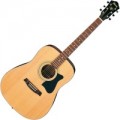 | 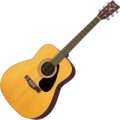 |
|---|---|---|
| Ibanez V50NJP | Yamaha F310 | |
from $197.00 | from $199.99 | |
| User reviews | ||
| TOP sellers | ||
| Type | acoustic | acoustic |
| Number of strings | 6 | 6 |
Body | ||
| Size | 4/4 | 4/4 |
| Shape | dreadnought (western) | dreadnought (western) |
| Pickguard |  | |
| Top deck | spruce | spruce |
| Bottom deck | mahogany | meranti |
| Shell | mahogany | meranti |
| Bridge | rosewood | rosewood |
Neck | ||
| Number of frets | 20 | 20 |
| Anchor | single | single |
| Scale | 25 " | |
| Neck material | mahogany | nato |
| Fretboard | rosewood | rosewood |
In box | ||
| Case | |  |
| Strap | | |
| Tuner | | |
| Picks | | |
| Color | ||
| Added to E-Catalog | july 2016 | july 2016 |


Compare Ibanez V50NJP and Yamaha F310
You may be interested in
My comparisons
Ibanez V50NJP often compared

Yamaha F310 often compared


Glossary
Bottom deck
The material from which the lower soundboard of the guitar is made is a flat surface on the opposite side from the upper soundboard (it is this surface that is adjacent to the musician's body when the instrument is held normally).
The value of this parameter is described in detail in the “Upper deck” section — what is stated there is also true in this case. We only note that a wider range of materials is used for the lower deck: this part is less demanding on the characteristics of the material, which gives manufacturers additional choice.
In terms of specific materials, rosewood, sapele, maple, meranti and nato, among others, enjoy considerable popularity in modern times. Here is a brief description of each of them:
— Rosewood. A name that combines the wood of several species of tropical trees. This material is said to provide deep sound and enhance bass quality, thereby improving the guitar's efficiency when playing rhythm parts on chords.
— Sapele. Also known as "African mahogany" due to its characteristic hue. It contributes to an even sound with medium depth and good expression of individual notes, which is considered important especially in solo parts.
— Maple. Maple wood is prone to a rather sharp and sonorous sound without much depth. However, this is...not a drawback, but a feature: for some styles of music, just such a coloring of the sound is perfect.
— Meranti. Wood of trees of the genus Shorey, growing in the tropical forests of Southeast Asia. This material is mainly used in instruments manufactured by Yamaha, mainly classical guitars and ukuleles — it is for these varieties that meranti is considered the best option.
— Nato. A relatively inexpensive variety of mahogany (mahogany) used in guitars in the corresponding price range. Contributes to a dense, but not very bright sound.
The value of this parameter is described in detail in the “Upper deck” section — what is stated there is also true in this case. We only note that a wider range of materials is used for the lower deck: this part is less demanding on the characteristics of the material, which gives manufacturers additional choice.
In terms of specific materials, rosewood, sapele, maple, meranti and nato, among others, enjoy considerable popularity in modern times. Here is a brief description of each of them:
— Rosewood. A name that combines the wood of several species of tropical trees. This material is said to provide deep sound and enhance bass quality, thereby improving the guitar's efficiency when playing rhythm parts on chords.
— Sapele. Also known as "African mahogany" due to its characteristic hue. It contributes to an even sound with medium depth and good expression of individual notes, which is considered important especially in solo parts.
— Maple. Maple wood is prone to a rather sharp and sonorous sound without much depth. However, this is...not a drawback, but a feature: for some styles of music, just such a coloring of the sound is perfect.
— Meranti. Wood of trees of the genus Shorey, growing in the tropical forests of Southeast Asia. This material is mainly used in instruments manufactured by Yamaha, mainly classical guitars and ukuleles — it is for these varieties that meranti is considered the best option.
— Nato. A relatively inexpensive variety of mahogany (mahogany) used in guitars in the corresponding price range. Contributes to a dense, but not very bright sound.
Shell
The material from which the side of the guitar is made is the “side” surface of the body, which unites the upper and lower soundboards (see above).
About the meaning of the material of the body, see paragraph "Top deck" — everything stated in it is also true for the shell. Unless the range of materials used for this part is noticeably wider; also note that most often the material of the shell coincides with the material of the bottom deck. Here is a summary of some of the more popular options:
— Rosewood. A name that combines the wood of several species of tropical trees. This material is said to provide deep sound and enhance bass quality, thereby improving the guitar's efficiency when playing rhythm parts on chords.
— Sapele. Also known as "African mahogany" due to its characteristic hue. It contributes to an even sound with medium depth and good expression of individual notes, which is considered important especially in solo parts.
— Maple. Maple wood is prone to a rather sharp and sonorous sound without much depth. However, this is not a drawback, but a feature: for some styles of music, just such a coloring of the sound is perfect.
— Meranti. Wood of trees of the genus Shorey, growing in the tropical forests of Southeast Asia. This material is mainly used in instruments manufactured by Yamaha, mainly classical guitars and ukuleles — it is for these varieties that meranti is considered the best option.
— Nato.... A relatively inexpensive variety of mahogany (mahogany) used in guitars in the corresponding price range. Contributes to a dense, but not very bright sound.
About the meaning of the material of the body, see paragraph "Top deck" — everything stated in it is also true for the shell. Unless the range of materials used for this part is noticeably wider; also note that most often the material of the shell coincides with the material of the bottom deck. Here is a summary of some of the more popular options:
— Rosewood. A name that combines the wood of several species of tropical trees. This material is said to provide deep sound and enhance bass quality, thereby improving the guitar's efficiency when playing rhythm parts on chords.
— Sapele. Also known as "African mahogany" due to its characteristic hue. It contributes to an even sound with medium depth and good expression of individual notes, which is considered important especially in solo parts.
— Maple. Maple wood is prone to a rather sharp and sonorous sound without much depth. However, this is not a drawback, but a feature: for some styles of music, just such a coloring of the sound is perfect.
— Meranti. Wood of trees of the genus Shorey, growing in the tropical forests of Southeast Asia. This material is mainly used in instruments manufactured by Yamaha, mainly classical guitars and ukuleles — it is for these varieties that meranti is considered the best option.
— Nato.... A relatively inexpensive variety of mahogany (mahogany) used in guitars in the corresponding price range. Contributes to a dense, but not very bright sound.
Scale
Scale length of the guitar. The scale in this case is the working part of the string, in other words, the distance from the saddle (on the headstock) to the saddle (on the bridge). In most acoustic and similar guitars, the scale is set during production and is unchanged. Without going into technical details, we can say that the value of this parameter is generally a reference: it allows you to some extent estimate the overall dimensions of the instrument, as well as the size of the frets (the longer the scale, the larger the size of the frets, regardless of their number). However, there is also a practical application: with an adjustable anchor (see above), the scale length data can be useful in the tuning process.
Neck material
The material from which the neck of the guitar is made — more precisely, the base of the neck (the fretboard can be made from another material). Now the most commonly used materials are: nato, maple and mahogany. For the value of this parameter, see p. "Top deck".
Case
The presence of a case or cover in the tool delivery kit (what exactly is included in the kit must be specified in each case separately).
A case is called a case made of hard materials, a case is made of soft materials, this is the main difference between these types of accessories. Otherwise, they are similar: both the case and the cover are provided primarily for the convenience of transporting the tool. To do this, the design provides for handles, shoulder straps and other devices that facilitate carrying, as well as compartments for additional accessories (replaceable strings, tuners, etc.). However, it is desirable to store the tool in a case or case — to protect it from dust and other adverse factors.
The “native” case/case is good because it optimally fits a specific guitar model and is immediately sold with it, saving the owner from unnecessary searches. On the other hand, manufacturers often include the simplest types of cases in the kit, with minimal additional features and a very limited degree of protection. This is especially true for cases that can be made of thin material and are only suitable for short-distance movements in warm weather without rain. Therefore, sometimes it makes more sense to buy a case separately.
A case is called a case made of hard materials, a case is made of soft materials, this is the main difference between these types of accessories. Otherwise, they are similar: both the case and the cover are provided primarily for the convenience of transporting the tool. To do this, the design provides for handles, shoulder straps and other devices that facilitate carrying, as well as compartments for additional accessories (replaceable strings, tuners, etc.). However, it is desirable to store the tool in a case or case — to protect it from dust and other adverse factors.
The “native” case/case is good because it optimally fits a specific guitar model and is immediately sold with it, saving the owner from unnecessary searches. On the other hand, manufacturers often include the simplest types of cases in the kit, with minimal additional features and a very limited degree of protection. This is especially true for cases that can be made of thin material and are only suitable for short-distance movements in warm weather without rain. Therefore, sometimes it makes more sense to buy a case separately.
Strap
The presence of a belt in the tool kit.
The strap allows you to hang the guitar on your shoulder. This not only gives the guitarist additional options when playing (for example, you can comfortably play while standing), but it can also be useful for transporting the instrument — you can hang it behind your back, freeing your hands (although in this case it doesn’t hurt to make sure the strap is secure). Straps are also sold separately, but the complete accessory, by definition, is optimally suited for the guitar, and besides, you don’t need to spend additional time and effort to buy it.
The strap allows you to hang the guitar on your shoulder. This not only gives the guitarist additional options when playing (for example, you can comfortably play while standing), but it can also be useful for transporting the instrument — you can hang it behind your back, freeing your hands (although in this case it doesn’t hurt to make sure the strap is secure). Straps are also sold separately, but the complete accessory, by definition, is optimally suited for the guitar, and besides, you don’t need to spend additional time and effort to buy it.
Tuner
A tuner is included with the instrument. Note that in this case we are talking about a separate device; electro-acoustic guitars (see "Type") are usually equipped with a module built directly into the tone block, so this package is not relevant for them.
The tuner is designed to tune the guitar — more precisely, to facilitate tuning: it determines how the sound of each string corresponds to the reference note, and tells the guitarist about it. Note that the functionality of the tuners can be different, and the characteristics of the complete device in each case should be specified separately. So, the simplest models are initially "sharpened" for the standard six-string system and can only display the direction (higher or lower) of the string's sound differs from the standard one. These tuners are inexpensive, but only suitable for undemanding musicians. More advanced models can determine the sounding note and the specific frequency of the sound, indicate the degree of deviation from the standard; there are devices with the ability to change the key of the system or even the type of system. These features may come in handy for professional guitarists.
The tuner is designed to tune the guitar — more precisely, to facilitate tuning: it determines how the sound of each string corresponds to the reference note, and tells the guitarist about it. Note that the functionality of the tuners can be different, and the characteristics of the complete device in each case should be specified separately. So, the simplest models are initially "sharpened" for the standard six-string system and can only display the direction (higher or lower) of the string's sound differs from the standard one. These tuners are inexpensive, but only suitable for undemanding musicians. More advanced models can determine the sounding note and the specific frequency of the sound, indicate the degree of deviation from the standard; there are devices with the ability to change the key of the system or even the type of system. These features may come in handy for professional guitarists.
Picks
Picks included with the guitar.
The pick is a small plate that the guitarist uses to pick the sound from the strings. In this way, you can get a brighter, clearer and more sonorous sound than when playing with your fingers (both on notes and on chords); therefore, many musicians prefer to use picks.
Picks can vary in stiffness; The best option depends primarily on the preferences of the guitarist. Thus, guitars, if they are equipped with picks, then, usually, several at once — this allows the musician to choose the most suitable option.
The pick is a small plate that the guitarist uses to pick the sound from the strings. In this way, you can get a brighter, clearer and more sonorous sound than when playing with your fingers (both on notes and on chords); therefore, many musicians prefer to use picks.
Picks can vary in stiffness; The best option depends primarily on the preferences of the guitarist. Thus, guitars, if they are equipped with picks, then, usually, several at once — this allows the musician to choose the most suitable option.