
Comparison HTC HTC-2 vs HTC HTC-1
Add to comparison |  | 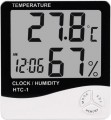 |
|---|---|---|
| HTC HTC-2 | HTC HTC-1 | |
| Outdated Product | from $4.71 up to $9.45 | |
| User reviews | ||
| TOP sellers | ||
Remote temperature measurement sensor (1.47 meters). Weight 150 grams. | ||
| Purpose | household (for home) | household (for home) |
| Device type | electronic | electronic |
Measurements and specs | ||
| Measurements | temperature external temperature humidity (hygrometer) | temperature humidity (hygrometer) |
| Measurement range | -50 °C ~ +70 °C | -50 °C ~ +70 °C |
| Fixing min/max temperature |  | |
| More features | clock alarm clock calendar | clock calendar |
General | ||
| Power source | batteries | batteries |
| Material | plastic | plastic |
| Dimensions | 105x97×23 mm | 108x108x20 mm |
| Added to E-Catalog | february 2025 | november 2022 |


Compare HTC HTC-2 and HTC-1
You may be interested in
HTC HTC-2 often compared

HTC HTC-1 often compared
Glossary
Measurements
Types of measurements that can be made using a thermometer.
— Internal temperature. Measurements of indoor air temperature. Note that measurements of water and soil temperature in thermometers for the appropriate purpose (see above) are also considered internal.
— Outside temperature. Taking outdoor air temperature can be challenging due to the constant changes and various external factors like precipitation, wind, and dust. Using a thermometer designed specifically for outdoor conditions is crucial, as regular indoor thermometers may not withstand these elements. Some models come equipped with external sensors, including wireless options, to facilitate accurate outdoor temperature measurements.
— Humidity. Measuring relative air humidity is vital for assessing comfort and well-being, as it is a key factor alongside temperature. Dry air can make heat more tolerable, but both low and high humidity levels can be uncomfortable at room temperature. This function becomes crucial in maintaining a suitable microclimate, especially when there are small children in the house, as they require a specific and controlled environment for their well-being.
— Atmospheric pressure. Changes in atmospheric pressure not only affect how you feel, but also allow you to predict the weather with some degree of accuracy: for example, precipitation is us...ually associated with low pressure.
In some advanced models, other, more specific measurements may be provided — for example, an assessment of the level of carbon dioxide with a warning about the need for ventilation, or the calculation of the dew point (a complex indicator that also affects the comfort of staying indoors).
— Internal temperature. Measurements of indoor air temperature. Note that measurements of water and soil temperature in thermometers for the appropriate purpose (see above) are also considered internal.
— Outside temperature. Taking outdoor air temperature can be challenging due to the constant changes and various external factors like precipitation, wind, and dust. Using a thermometer designed specifically for outdoor conditions is crucial, as regular indoor thermometers may not withstand these elements. Some models come equipped with external sensors, including wireless options, to facilitate accurate outdoor temperature measurements.
— Humidity. Measuring relative air humidity is vital for assessing comfort and well-being, as it is a key factor alongside temperature. Dry air can make heat more tolerable, but both low and high humidity levels can be uncomfortable at room temperature. This function becomes crucial in maintaining a suitable microclimate, especially when there are small children in the house, as they require a specific and controlled environment for their well-being.
— Atmospheric pressure. Changes in atmospheric pressure not only affect how you feel, but also allow you to predict the weather with some degree of accuracy: for example, precipitation is us...ually associated with low pressure.
In some advanced models, other, more specific measurements may be provided — for example, an assessment of the level of carbon dioxide with a warning about the need for ventilation, or the calculation of the dew point (a complex indicator that also affects the comfort of staying indoors).
More features
— Display backlight. The backlight feature enables reading the display in low light or darkness. Typically activated by pressing a button and deactivated upon release, this design minimizes energy consumption. However, some devices may keep the backlight on continuously for decorative purposes.
— Clock. Clocks that show the current time vary in dial type and functionality based on the thermometer type mentioned earlier. Electronic models use digital displays with added features, while mechanical thermometers typically feature traditional arrow dials. Some of these mechanical models even resemble watches with an integrated thermometer, emphasizing the thermometer aspect rather than the clock.
— Alarm clock. Possibility of giving a sound signal at a certain time set by the user. An alarm clock can be used not only for getting up in the morning, but also for any reminders associated with a specific time — for example, as an impromptu replacement for a kitchen timer. This feature, by definition, requires a clock (see above).
— Calendar. The presence of a calendar implies at least the display of the current date on the thermometer (day of the month, often the month, less often the year). In addition, electronic models may provide viewing the year by month. The calendar can be used not only by itself, but also fo...r other functions — for example, fixing min / max temperature moments (see above).
— Moon calendar. This function provides a display of the current phase of the moon, and in most cases also allows you to determine the days of new moons and full moons. Auspicious moments for many types of human activities (cosmetic procedures, treatment, gardening) are directly dependent on the phases of the moon. This feature assumes a regular calendar (see above). — Synchronization with smartphone. The ability to remotely connect to the device using a mobile phone (tablet) allows you to remotely monitor weather conditions and read all information from sensors.
— Clock. Clocks that show the current time vary in dial type and functionality based on the thermometer type mentioned earlier. Electronic models use digital displays with added features, while mechanical thermometers typically feature traditional arrow dials. Some of these mechanical models even resemble watches with an integrated thermometer, emphasizing the thermometer aspect rather than the clock.
— Alarm clock. Possibility of giving a sound signal at a certain time set by the user. An alarm clock can be used not only for getting up in the morning, but also for any reminders associated with a specific time — for example, as an impromptu replacement for a kitchen timer. This feature, by definition, requires a clock (see above).
— Calendar. The presence of a calendar implies at least the display of the current date on the thermometer (day of the month, often the month, less often the year). In addition, electronic models may provide viewing the year by month. The calendar can be used not only by itself, but also fo...r other functions — for example, fixing min / max temperature moments (see above).
— Moon calendar. This function provides a display of the current phase of the moon, and in most cases also allows you to determine the days of new moons and full moons. Auspicious moments for many types of human activities (cosmetic procedures, treatment, gardening) are directly dependent on the phases of the moon. This feature assumes a regular calendar (see above). — Synchronization with smartphone. The ability to remotely connect to the device using a mobile phone (tablet) allows you to remotely monitor weather conditions and read all information from sensors.