
Comparison FEHONDA LTP65 7g vs Alphacool Subzero 1g
Add to comparison |  | 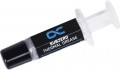 |
|---|---|---|
| FEHONDA LTP65 7g | Alphacool Subzero 1g | |
| Outdated Product | Compare prices 2 | |
| TOP sellers | ||
| Type | liquid thermal pad | thermal Paste |
| Package | syringe | syringe |
| Weight | 7 g | 1 g |
| Thermal conductivity | 16 W/mK | 16 W/mK |
| Operating temperature | -40 — 180 °С | -50 — 200 °С |
| Paste colour | grey | grey |
| Scraper |  | |
| Added to E-Catalog | september 2024 | july 2023 |




Compare FEHONDA LTP65 7g and Alphacool Subzero 1g
Price comparison
You may be interested in
My comparisons
Alphacool Subzero 1g often compared


Glossary
Type
— Thermal paste. Thermal interface in the form of a thick substance applied to the “hot” elements of the computer motherboard to ensure the necessary thermal conductivity. Thermal paste contains various heat-conducting components from nanodispersed powders and mixtures, and liquids with a low level of volatility of synthetic or mineral origin are usually used as its thickener.
- Liquid metal. Liquid metal consists of alloys with a high level of fluidity (zinc, gallium, tin, etc.). Its competitive advantage is a much higher level of thermal conductivity (7-9 times higher than that of conventional thermal paste). Also, liquid metals retain their properties over a wide temperature range from -273 °C to +1200 °C. The other side of the coin when using liquid metals is the complexity of application and removal, the inability to use with aluminum radiators, and the electrical conductivity of the material (any contact of the thermal interface with open contacts can cause a short circuit).
— Thermal pad. Thermal pads are elastic soft sheets of silicone (or other similar material) impregnated with heat-conducting particles - aluminum oxide, boron nitride, etc. They are designed to ensure proper heat transfer between components on the computer motherboard that may not be pressed tightly together. Thermal pads compensate for gaps and unevenness in large areas and...in complex structures. They differ from each other in thickness, filling, number of layers and adhesive surfaces.
— Liquid thermal pad. A paste-like substance similar to thermal paste, but thicker. After application and hardening, it forms an elastic thermal pad, effectively filling all the gaps between the surfaces of elements on the motherboard. The liquid state of such a thermal interface allows you not to bother with selecting gaskets of the required thickness.
- Liquid metal. Liquid metal consists of alloys with a high level of fluidity (zinc, gallium, tin, etc.). Its competitive advantage is a much higher level of thermal conductivity (7-9 times higher than that of conventional thermal paste). Also, liquid metals retain their properties over a wide temperature range from -273 °C to +1200 °C. The other side of the coin when using liquid metals is the complexity of application and removal, the inability to use with aluminum radiators, and the electrical conductivity of the material (any contact of the thermal interface with open contacts can cause a short circuit).
— Thermal pad. Thermal pads are elastic soft sheets of silicone (or other similar material) impregnated with heat-conducting particles - aluminum oxide, boron nitride, etc. They are designed to ensure proper heat transfer between components on the computer motherboard that may not be pressed tightly together. Thermal pads compensate for gaps and unevenness in large areas and...in complex structures. They differ from each other in thickness, filling, number of layers and adhesive surfaces.
— Liquid thermal pad. A paste-like substance similar to thermal paste, but thicker. After application and hardening, it forms an elastic thermal pad, effectively filling all the gaps between the surfaces of elements on the motherboard. The liquid state of such a thermal interface allows you not to bother with selecting gaskets of the required thickness.
Weight
Product net weight (without packaging). Knowing the amount of thermal paste in the packaging, you can estimate how much it will last.
Operating temperature
A fork of operating temperatures at which thermal paste retains its properties. Usually, the upper ceiling of the operating temperature is up to +150 °C. There are substances with a wider temperature range of properties, but they are usually used for industrial purposes. The maximum temperature value often becomes important when overclocking the processor