
Comparison Mesko MS 8160 vs FIRST Austria FA-8020
Add to comparison |  | 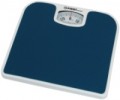 |
|---|---|---|
| Mesko MS 8160 | FIRST Austria FA-8020 | |
from $29.91 | from $7.56 up to $8.24 | |
| TOP sellers | ||
| Scales type | floor | floor |
| Mechanism | mechanical | mechanical |
| Max. measurement weight | 130 kg | 130 kg |
| Scale division | 1000 g | 1000 g |
| Units of measurement | kg | |
General | ||
| Platform material | rubber | |
| Color | ||
| Added to E-Catalog | july 2020 | august 2012 |


Compare Mesko MS 8160 and FIRST Austria FA-8020
You may be interested in
My comparisons
FIRST Austria FA-8020 often compared


Glossary
Units of measurement
Weights are able to keep records in various units of measurement, while accounting can be done both by mass and by volume. Among the most common units of measurement, we highlight the following.
— Grams (g) — a unit of weight that belongs to the metric system. Grams are used in desktop kitchen scales.
— Kilograms (kg) — a unit of weight that belongs to the metric system. Kilograms are used in floor weighing equipment.
— Pounds (lb:oz) is a common unit of weight used in some countries in Europe, as well as in the United States. 1 pound can be equated to 0.45 kilograms.
— Milliliters (ml) — a unit of volume that belongs to the metric system. Some models of scales are able to determine the volume of milk and water based on mass.
— Ounces (fl'oz) is a unit of volume used in English-speaking countries. 1 US ounce is equivalent to 30 mL.
— Stones (st) is the British unit of weight. Stones are used to take into account the mass of the human body, so this measurement system is found in floor household and specialized diagnostic scales. 1 stone can be equated to 6.35 kilograms.
— Grams (g) — a unit of weight that belongs to the metric system. Grams are used in desktop kitchen scales.
— Kilograms (kg) — a unit of weight that belongs to the metric system. Kilograms are used in floor weighing equipment.
— Pounds (lb:oz) is a common unit of weight used in some countries in Europe, as well as in the United States. 1 pound can be equated to 0.45 kilograms.
— Milliliters (ml) — a unit of volume that belongs to the metric system. Some models of scales are able to determine the volume of milk and water based on mass.
— Ounces (fl'oz) is a unit of volume used in English-speaking countries. 1 US ounce is equivalent to 30 mL.
— Stones (st) is the British unit of weight. Stones are used to take into account the mass of the human body, so this measurement system is found in floor household and specialized diagnostic scales. 1 stone can be equated to 6.35 kilograms.
Platform material
The material from which the working surface of the scales is made — platform.
— Plastic. An inexpensive yet practical material suitable for any type of scale. Plastic is often considered not very durable, but this opinion is mistaken: it can even be used to make platforms for floor scales designed for loads of 150 kg or more. A practical advantage of this material is that it does not feel cold to the skin, making it comfortable to stand on even barefoot; this feature can also be quite beneficial for children's models (see "Type of Scales").
— Metal. Metal is characterized by high durability and it gives the device a solid appearance. On the other hand, it is more expensive than plastic, and these benefits are rarely significant for scales. Therefore, this material is mainly used in rather expensive scales. In budget models, "metal" may refer to a thin metal coating applied to a plastic platform.
— Glass. The main feature of glass surfaces is their stylish appearance. Glass is considered fragile, but it takes a substantial impact to break it. Modern glass is strong enough for floor scales with a weight limit of over 100 kg. Another advantage of this material is its ease of cleaning.
— Wood. Wooden platforms look unusual and attractive due to their characteristic color and...surface pattern. Additionally, this option is highly valued by lovers of natural materials and the "eco" style. On the other hand, wood does not have significant practical advantages over plastic and can be noticeably more expensive. As a result, this material is mainly used for design reasons, and there are relatively few "wooden" scales on the market.
— Rubber. Rubber is predominantly found in two types of scales — pocket and floor. In pocket models, the platform refers to the lower part of the device, which rests against the hand when weighing; rubber is a soft and comfortable material for such use, making it quite popular for this type of scale. In floor devices, rubber platforms are used for roughly the same reasons: rubber is softer than plastic, less slippery, making it more comfortable to stand on, and can include massage bumps, whereas on hard plastic, they might cause discomfort. However, these advantages are not key, and rubber is more expensive, which is why it is less common.
In addition to those described above, modern scales can also use other, sometimes quite unusual materials — such as marble or stone (including mosaic-covered platforms), or leather (imitation leather). Such materials are usually employed for aesthetic purposes.
— Plastic. An inexpensive yet practical material suitable for any type of scale. Plastic is often considered not very durable, but this opinion is mistaken: it can even be used to make platforms for floor scales designed for loads of 150 kg or more. A practical advantage of this material is that it does not feel cold to the skin, making it comfortable to stand on even barefoot; this feature can also be quite beneficial for children's models (see "Type of Scales").
— Metal. Metal is characterized by high durability and it gives the device a solid appearance. On the other hand, it is more expensive than plastic, and these benefits are rarely significant for scales. Therefore, this material is mainly used in rather expensive scales. In budget models, "metal" may refer to a thin metal coating applied to a plastic platform.
— Glass. The main feature of glass surfaces is their stylish appearance. Glass is considered fragile, but it takes a substantial impact to break it. Modern glass is strong enough for floor scales with a weight limit of over 100 kg. Another advantage of this material is its ease of cleaning.
— Wood. Wooden platforms look unusual and attractive due to their characteristic color and...surface pattern. Additionally, this option is highly valued by lovers of natural materials and the "eco" style. On the other hand, wood does not have significant practical advantages over plastic and can be noticeably more expensive. As a result, this material is mainly used for design reasons, and there are relatively few "wooden" scales on the market.
— Rubber. Rubber is predominantly found in two types of scales — pocket and floor. In pocket models, the platform refers to the lower part of the device, which rests against the hand when weighing; rubber is a soft and comfortable material for such use, making it quite popular for this type of scale. In floor devices, rubber platforms are used for roughly the same reasons: rubber is softer than plastic, less slippery, making it more comfortable to stand on, and can include massage bumps, whereas on hard plastic, they might cause discomfort. However, these advantages are not key, and rubber is more expensive, which is why it is less common.
In addition to those described above, modern scales can also use other, sometimes quite unusual materials — such as marble or stone (including mosaic-covered platforms), or leather (imitation leather). Such materials are usually employed for aesthetic purposes.