
Comparison Adler AD 3049 vs MPM MGO-36M
Add to comparison | 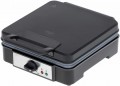 | 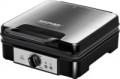 |
|---|---|---|
| Adler AD 3049 | MPM MGO-36M | |
from $62.10 | Outdated Product | |
| TOP sellers | ||
| Type | waffle iron | waffle iron |
Specs | ||
| Power | 1200 W | 1200 W |
| Number of products | 4 | 4 |
| Control | mechanical | mechanical |
| Features | readiness indicator | readiness indicator |
| In box | waffle iron (Viennese waffles) | waffle iron (Viennese waffles) |
General | ||
| Non-stick coating |  | |
| Compartment for cord | | |
| Material | plastic | plastic with metal |
| Dimensions (HxWxD) | 110x245x315 mm | |
| Weight | 2.5 kg | |
| Color | ||
| Added to E-Catalog | november 2021 | may 2019 |


Compare Adler AD 3049 and MPM MGO-36M
You may be interested in
MPM MGO-36M often compared


Glossary
Material
The main material used in the body of the device.
— Plastic. Plastic is an affordable and practical material that offers functionality in various applications. Its lightweight nature makes it suitable for complex shapes, and it can be easily colored to match any desired aesthetic. Additionally, plastic's low thermal conductivity helps conserve energy and reduces the risk of burns from touching the device's exterior. While plastic may not match the strength and scratch resistance of metal, these aspects primarily impact the device's appearance rather than its critical functionality. One significant drawback is plastic's limited heat resistance, which necessitates additional thermal insulation and makes it less reliable in case of malfunctions. Plastic is found across different price ranges, but it is particularly popular in relatively inexpensive devices.
— Steel. Steel cases are known for their exceptional strength and reliability, surpassing plastic cases in scratch resistance and ability to withstand high temperatures. The solid appearance of steel adds to its appeal. However, steel is considerably more expensive, making all-metal cases more commonly found in mid-range and high-end devices. In budget-friendly devices, steel is often used as an additional decorative coating on top of plastic or only in specific areas of the case, typically near the heating element where enhanced durabil...ity is required.
— Glass. When it comes to kitchen appliances, it is impractical to construct the entire case out of glass. Instead, glass is typically used for separate parts, often the front and back panels, while the rest of the body is made of metal and/or plastic. Glass inserts provide a unique aesthetic appeal, allowing a glimpse of the device's internal components without the need to open the case. However, this design is expensive and lacks practical advantages compared to more traditional materials. Even tempered and heat-resistant glass remains fragile. As a result, such cases are extremely rare and usually found in designer models.
— Plastic. Plastic is an affordable and practical material that offers functionality in various applications. Its lightweight nature makes it suitable for complex shapes, and it can be easily colored to match any desired aesthetic. Additionally, plastic's low thermal conductivity helps conserve energy and reduces the risk of burns from touching the device's exterior. While plastic may not match the strength and scratch resistance of metal, these aspects primarily impact the device's appearance rather than its critical functionality. One significant drawback is plastic's limited heat resistance, which necessitates additional thermal insulation and makes it less reliable in case of malfunctions. Plastic is found across different price ranges, but it is particularly popular in relatively inexpensive devices.
— Steel. Steel cases are known for their exceptional strength and reliability, surpassing plastic cases in scratch resistance and ability to withstand high temperatures. The solid appearance of steel adds to its appeal. However, steel is considerably more expensive, making all-metal cases more commonly found in mid-range and high-end devices. In budget-friendly devices, steel is often used as an additional decorative coating on top of plastic or only in specific areas of the case, typically near the heating element where enhanced durabil...ity is required.
— Glass. When it comes to kitchen appliances, it is impractical to construct the entire case out of glass. Instead, glass is typically used for separate parts, often the front and back panels, while the rest of the body is made of metal and/or plastic. Glass inserts provide a unique aesthetic appeal, allowing a glimpse of the device's internal components without the need to open the case. However, this design is expensive and lacks practical advantages compared to more traditional materials. Even tempered and heat-resistant glass remains fragile. As a result, such cases are extremely rare and usually found in designer models.