
Comparison Acer ES Series 5 vs Hator Model Pro
Add to comparison | 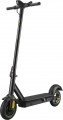 | 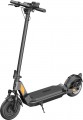 |
|---|---|---|
| Acer ES Series 5 | Hator Model Pro | |
| Outdated Product | Outdated Product | |
| TOP sellers | ||
With the Acer eScooter smartphone app, you can check the battery status and remaining charge in real time, set up cruise control, and lock and unlock the scooter. | Phone holder with USB Type-A connector and USB Type-C adapter. 2.5W front headlight. The mobile application allows you to connect to the scooter via Bluetooth. | |
| Max. load | 100 kg | 120 kg |
| Foldable design |  | |
Performance | ||
| Range | 65 km | 80 km |
| Power | 350 W | 500 W |
| Max. speed | 25 km/h | 35 km/h |
| Speed modes | 3 | 3 |
| Pedestrian mode | |  |
| Max. climbing angle | 10 ° | 15 ° |
| Drive | front | rear |
| Wheels | rubber solid 10 " | rubber air-filled 10 " |
| Suspension | rear | front and rear |
| Front brake | electric (regenerative) | drum |
| Rear brake | disc | disc |
| Regenerative | | |
| Cruise control | | |
Battery | ||
| Battery capacity | 15 Ah | 15.6 Ah |
| Voltage | 36 В | 48 В |
| Full charge time | 8 h | 7 h |
| USB charging output | USB A | |
Features | ||
| App control | | |
| Headlight | | |
| Turn signals | | |
| Brake lights | | |
| Signal / bell | | |
| Stand | | |
| Dustproof, waterproof | IPX4 | IP54 |
General | ||
| Frame material | aluminium | steel |
| Clearance | 11 cm | |
| Size | 125x118x49 cm | 123.5x121x54 cm |
| Dimensions (folded) | 118x55x49 cm | 121x54x51 cm |
| Weight | 18.5 kg | 24.5 kg |
| Color | ||
| Added to E-Catalog | june 2023 | march 2023 |


Compare Acer ES Series 5 and Hator Model Pro
Electric scooters Acer ES Series 5 and Hator Model Pro have similar features, but there are key differences. The Acer ES Series 5 offers a range of up to 65 km with a motor power of 350 W and a maximum speed of 25 km/h, whereas the Hator Model Pro provides a greater range of up to 80 km, motor power of 500 W (maximum up to 1000 W), and a speed of up to 35 km/h. Hator also has a higher maximum load capacity of 120 kg compared to 100 kg for Acer. In terms of suspension, Hator offers front and rear, providing a more comfortable ride, whereas Acer only has rear. Additionally, Hator has a higher moisture protection level (IP54 versus IPX4 for Acer). Overall, the Hator Model Pro is suitable for longer trips and challenging conditions, while the Acer ES Series 5 may be preferred for urban environments.
You may be interested in
Acer ES Series 5 often compared


Hator Model Pro often compared


Glossary
Max. load
The maximum weight of the rider that the design of the scooter can withstand without breakdowns and accidents. This moment is partly determined by the age group, and mainly by the materials used in the frame. Note that manufacturers can indicate the maximum load for perfect conditions - when the scooter rides on a perfectly flat surface or even stands still. Therefore, it is worth choosing a model for this parameter with a certain margin. And even more so, you should not exceed the weight indicated in the characteristics - even if the scooter does not break down immediately, this can happen at any time after, which is fraught with accidents and injuries.
Range
The maximum distance that an electric scooter can travel on a single battery charge.
Usually the range is indicated for a flat road and driving only on an electric motor, without the help of a rider. So this indicator is quite conditional, in practice, the distance of the trip may be either less or more, depending on the characteristics of the road and driving style. Nevertheless, according to the claimed range, it is quite possible to estimate the autonomy of different models and compare them with each other.
Note that a large range (more than 50 km) requires capacious batteries, which affects the dimensions and weight of the device. The real need for such autonomy is not required so often, especially since many electric scooters are quite capable of driving in the usual way, without the use of an electric motor.
Usually the range is indicated for a flat road and driving only on an electric motor, without the help of a rider. So this indicator is quite conditional, in practice, the distance of the trip may be either less or more, depending on the characteristics of the road and driving style. Nevertheless, according to the claimed range, it is quite possible to estimate the autonomy of different models and compare them with each other.
Note that a large range (more than 50 km) requires capacious batteries, which affects the dimensions and weight of the device. The real need for such autonomy is not required so often, especially since many electric scooters are quite capable of driving in the usual way, without the use of an electric motor.
Power
The power of the motor installed in the electric scooter. In models with two motors (one per wheel), their total power is usually indicated.
A more powerful motor, on the one hand, has a positive effect on the speed and acceleration characteristics; on the other hand, it affects the cost of the device and requires more capacious batteries, which affect both the price and weight. In addition, at acceleration and low speeds, the scooter can be “helped” by pushing off with your foot. Therefore, in most modern models, the motor power is low — most often in range of 250 W, 300 W, 350 W. Power of 500 W is considered quite high, it allows you to reach speeds of 40 km/h and even higher. In the most advanced models, power is already measured in kilowatts, and the maximum speed can exceed 80 km/h; however, such "monsters" cost accordingly.
However, power also affects the ability to drive a vehicle, because depending on the country, various traffic rules are provided for driving a scooter.
A more powerful motor, on the one hand, has a positive effect on the speed and acceleration characteristics; on the other hand, it affects the cost of the device and requires more capacious batteries, which affect both the price and weight. In addition, at acceleration and low speeds, the scooter can be “helped” by pushing off with your foot. Therefore, in most modern models, the motor power is low — most often in range of 250 W, 300 W, 350 W. Power of 500 W is considered quite high, it allows you to reach speeds of 40 km/h and even higher. In the most advanced models, power is already measured in kilowatts, and the maximum speed can exceed 80 km/h; however, such "monsters" cost accordingly.
However, power also affects the ability to drive a vehicle, because depending on the country, various traffic rules are provided for driving a scooter.
Max. speed
A high top speed gives you more riding options and reduces travel time. However, it requires powerful motors and capacious batteries, which affects the price and weight of the scooter. In addition, the faster the scooter, the more careful you need to be when driving. Therefore, most of the electric scooters have a speed of 25 km / h or a little more - 30 km / h.
Pedestrian mode
The slowest speed mode (approximately from 0 to 5 – 6 km/h), is ideal for use in crowded places, for children and beginners. It controls the e-scooter while it moves at a safe speed for pedestrians to avoid collisions on crowded sidewalks. Pedestrian mode is also suitable for leisurely walks and side-by-side trips with walking frien
Max. climbing angle
The maximum climbing angle that an electric scooter can overcome on engine power alone, without the help of legs. Models with engines of the same power may differ in this indicator (due to the difference in torque and wheel size).
Note that in the specifications the angle is usually indicated in degrees, while on road signs it is given as a percentage (1% corresponds to a rise of 1 m for every 100 m of horizontal movement). However, this moment is not particularly critical: if you often have to overcome a certain hill, you can clarify its slope by converting percentages into degrees (and vice versa) according to special tables. In addition, if the angle turns out to be too large, nothing prevents you from helping the scooter with your foot, in extreme cases, to overcome the climb on foot.
Note that in the specifications the angle is usually indicated in degrees, while on road signs it is given as a percentage (1% corresponds to a rise of 1 m for every 100 m of horizontal movement). However, this moment is not particularly critical: if you often have to overcome a certain hill, you can clarify its slope by converting percentages into degrees (and vice versa) according to special tables. In addition, if the angle turns out to be too large, nothing prevents you from helping the scooter with your foot, in extreme cases, to overcome the climb on foot.
Drive
The type of drive in the design of the scooter determines to which wheels the traction from the electric motor is transmitted.
- Front. The drive to the front wheel pulls the entire electric scooter. It provides improved stability on the road, minimizes the likelihood of skidding in corners, and guarantees a soft start and smooth acceleration. On the other hand, the electric motor at the front increases the weight of the wheel assembly and increases the effort when turning the handlebar.
- Rear. Rear-wheel drive electric scooters are not as stable on the road as front-wheel drive models. However, they are more frisky, demonstrate dynamic acceleration and easily conquer hills.
- All-wheel. Scooters with all-wheel drive combine all the positive qualities of front- and rear-wheel drive models in one package. They are also best suited for off-road driving — the all-wheel drive chassis does not care about pits and steep hills, other road irregularities, or mud deposits on the road.
- Front. The drive to the front wheel pulls the entire electric scooter. It provides improved stability on the road, minimizes the likelihood of skidding in corners, and guarantees a soft start and smooth acceleration. On the other hand, the electric motor at the front increases the weight of the wheel assembly and increases the effort when turning the handlebar.
- Rear. Rear-wheel drive electric scooters are not as stable on the road as front-wheel drive models. However, they are more frisky, demonstrate dynamic acceleration and easily conquer hills.
- All-wheel. Scooters with all-wheel drive combine all the positive qualities of front- and rear-wheel drive models in one package. They are also best suited for off-road driving — the all-wheel drive chassis does not care about pits and steep hills, other road irregularities, or mud deposits on the road.
Wheels
The type and size of wheels used in an electric scooter.
The size is selected by the manufacturer depending on the general purpose of the scooter - whether it is an asphalt road or rough terrain. If we compare similar models with different wheel diameters, then it is worth considering that the larger the wheels ( 10" and larger), the better they handle road unevenness, the higher the cross-country ability and softness of the ride. And small wheels (for example, 8") in turn, they are excellent for smooth asphalt and dynamic driving; they accelerate easily and allow you to make sharp turns.
As for the different types of wheels, there are polyurethane, rubber, inflatable. More details about each:
- Polyurethane. Wheels with solid polyurethane tires. This material provides good shock absorption, high-quality road grip and at the same time good rolling ability; it is resistant to temperature changes and damage, durable, and inexpensive.
— Solid rubber. In this case, we mean wheels with solid rubber tires (inflatable wheels are taken to a separate selection point). In terms of its main characteristics, rubber is similar to the polyurethane described above, and in some respects even surpasses it. Thus, such tires do not make nois...e, smooth out asphalt roughness well, have excellent grip and provide high braking efficiency. On the other hand, this material is less durable and does not tolerate temperature changes well.
— Rubber inflatable. The most advanced type of wheels found in modern scooters. This type of wheel has an inflatable tire (like a bicycle), which provides excellent shock absorption, tight traction and high maneuverability. The disadvantages of inflatable tires, in addition to the price, include sensitivity to punctures and increased difficulty in maintenance: you need to monitor the pressure and, if necessary, inflate the tire.
— Rubber gel. Tubeless wheels filled with gel are insensitive to minor punctures and cuts. Coming out, the gel in the tire hardens almost instantly upon contact with air, effectively sealing the damaged area. In addition, such wheels require virtually no maintenance - they do not need to be inflated. The disadvantages of gel tires include their high cost and somewhat greater rigidity than inflatable tires (although such wheels are still noticeably superior to rubber wheels in terms of softness).
The size is selected by the manufacturer depending on the general purpose of the scooter - whether it is an asphalt road or rough terrain. If we compare similar models with different wheel diameters, then it is worth considering that the larger the wheels ( 10" and larger), the better they handle road unevenness, the higher the cross-country ability and softness of the ride. And small wheels (for example, 8") in turn, they are excellent for smooth asphalt and dynamic driving; they accelerate easily and allow you to make sharp turns.
As for the different types of wheels, there are polyurethane, rubber, inflatable. More details about each:
- Polyurethane. Wheels with solid polyurethane tires. This material provides good shock absorption, high-quality road grip and at the same time good rolling ability; it is resistant to temperature changes and damage, durable, and inexpensive.
— Solid rubber. In this case, we mean wheels with solid rubber tires (inflatable wheels are taken to a separate selection point). In terms of its main characteristics, rubber is similar to the polyurethane described above, and in some respects even surpasses it. Thus, such tires do not make nois...e, smooth out asphalt roughness well, have excellent grip and provide high braking efficiency. On the other hand, this material is less durable and does not tolerate temperature changes well.
— Rubber inflatable. The most advanced type of wheels found in modern scooters. This type of wheel has an inflatable tire (like a bicycle), which provides excellent shock absorption, tight traction and high maneuverability. The disadvantages of inflatable tires, in addition to the price, include sensitivity to punctures and increased difficulty in maintenance: you need to monitor the pressure and, if necessary, inflate the tire.
— Rubber gel. Tubeless wheels filled with gel are insensitive to minor punctures and cuts. Coming out, the gel in the tire hardens almost instantly upon contact with air, effectively sealing the damaged area. In addition, such wheels require virtually no maintenance - they do not need to be inflated. The disadvantages of gel tires include their high cost and somewhat greater rigidity than inflatable tires (although such wheels are still noticeably superior to rubber wheels in terms of softness).
Suspension
The electric scooter has a shock absorption system – it makes the ride more comfortable, smoothing out vibrations and shocks when moving on uneven road surfaces, but reduces the rolling ability and control accuracy.
– Only front. In models with such shock absorption, the corresponding device for damping irregularities is installed only on the front wheel, while the rear wheel is fixed rigidly. Electric scooters with a front shock absorber combine good handling and provide comfortable movement on bad roads or over rough terrain.
– Only back. Electric scooters in which only the rear wheels are shock-absorbed, while the front wheels are rigidly fixed. The rear shock absorber is designed to provide additional comfort when encountering various uneven road surfaces, but it is often inferior in efficiency to the front one.
— Front and rear. An advanced type of shock absorption system on both wheels of an electric scooter. Dual-shock models are best at dampening vibrations felt by the rider and providing adequate traction on rough trails. At the same time, double depreciation reduces the rolling of the scooter to the greatest extent.
— No Suspension. In electric scooters without shock absorption, the wheels are rigidly attached to the frame. This design is simple, and the corresponding models have a...good roll. However, the rider feels the entire terrain of the road in full.
– Only front. In models with such shock absorption, the corresponding device for damping irregularities is installed only on the front wheel, while the rear wheel is fixed rigidly. Electric scooters with a front shock absorber combine good handling and provide comfortable movement on bad roads or over rough terrain.
– Only back. Electric scooters in which only the rear wheels are shock-absorbed, while the front wheels are rigidly fixed. The rear shock absorber is designed to provide additional comfort when encountering various uneven road surfaces, but it is often inferior in efficiency to the front one.
— Front and rear. An advanced type of shock absorption system on both wheels of an electric scooter. Dual-shock models are best at dampening vibrations felt by the rider and providing adequate traction on rough trails. At the same time, double depreciation reduces the rolling of the scooter to the greatest extent.
— No Suspension. In electric scooters without shock absorption, the wheels are rigidly attached to the frame. This design is simple, and the corresponding models have a...good roll. However, the rider feels the entire terrain of the road in full.