
Comparison GA.MA Elegance Led Bloom vs GA.MA Gitane
Add to comparison | 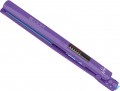 | 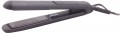 |
|---|---|---|
| GA.MA Elegance Led Bloom | GA.MA Gitane | |
| Outdated Product | from $49.76 up to $70.76 | |
| User reviews | ||
| TOP sellers | ||
Tourmaline coated plates. Extended floating plates. Eyelet. | ||
| Device | hair straightener | hair straightener |
Specs | ||
| Power | 46 W | 39 W |
| Temperature modes | 5 | |
| Temperature control | 130 – 230 °C | |
| Plate width | 25 mm | 25 mm |
| Plate length | 120 mm | |
| Coating of the heating element | tourmaline | tourmaline |
| Functions | ionization automatic switch-off | ionization automatic switch-off |
| Nozzles and accessories | straightener | straightener |
General | ||
| Hanging loop |  | |
| Cord twist 360° | |  |
| Cable length | 3 m | |
| Weight | 240 g | 356 g |
| Color | ||
| Added to E-Catalog | may 2018 | july 2016 |


Compare GA.MA Elegance Led Bloom and Gitane
You may be interested in
My comparisons
GA.MA Elegance Led Bloom often compared


Glossary
Power
The rated power of the device, in fact, is the power consumed by it when operating at maximum intensity.
The power of a hair dryer, particularly for hair dryers, is a crucial factor that determines the maximum intensity of the airflow and heating capabilities. When selecting a hair dryer based on this parameter, it's essential to consider the intended usage of the device. Models with a power below 1000 W may not be sufficient for proper hair drying, especially for long hair, and are more suitable for styling purposes. Some of these models, particularly inexpensive ones, can provide high heat with low airflow, requiring careful use. For versatile and effective use, both at home and in professional settings, it's recommended to choose a hair dryer with at least 1800 W, preferably 2000 W and higher. Higher power allows for intense airflow, effective hair drying even at lower temperatures, and provides a wide range of temperature and speed settings. Models with intermediate power levels, ranging from 1000 to 1800 W, are more suitable for travel and on-the-go use.
For curling irons, electric curlers, and similar devices, the heating intensity and speed depend directly on the power. The manufacturer carefully selects the heater's power to achieve specific performance characteristics, such as temperature and heating intensity. When choosing such devices, it's essential to focus on practical indicators and compare different mode...ls based on power, especially if specific characteristics are not clearly stated, as seen in some inexpensive curling irons with basic functionality. In these cases, users should consider the weaker and more delicate their hair, the lower the temperature and less intense the heating should be. If unsure, it's safer to opt for a less powerful device, as it may take more time to curl hair, but it significantly reduces the risk of damaging the hair.
The power of a hair dryer, particularly for hair dryers, is a crucial factor that determines the maximum intensity of the airflow and heating capabilities. When selecting a hair dryer based on this parameter, it's essential to consider the intended usage of the device. Models with a power below 1000 W may not be sufficient for proper hair drying, especially for long hair, and are more suitable for styling purposes. Some of these models, particularly inexpensive ones, can provide high heat with low airflow, requiring careful use. For versatile and effective use, both at home and in professional settings, it's recommended to choose a hair dryer with at least 1800 W, preferably 2000 W and higher. Higher power allows for intense airflow, effective hair drying even at lower temperatures, and provides a wide range of temperature and speed settings. Models with intermediate power levels, ranging from 1000 to 1800 W, are more suitable for travel and on-the-go use.
For curling irons, electric curlers, and similar devices, the heating intensity and speed depend directly on the power. The manufacturer carefully selects the heater's power to achieve specific performance characteristics, such as temperature and heating intensity. When choosing such devices, it's essential to focus on practical indicators and compare different mode...ls based on power, especially if specific characteristics are not clearly stated, as seen in some inexpensive curling irons with basic functionality. In these cases, users should consider the weaker and more delicate their hair, the lower the temperature and less intense the heating should be. If unsure, it's safer to opt for a less powerful device, as it may take more time to curl hair, but it significantly reduces the risk of damaging the hair.
Temperature modes
The number of heating modes provided in the tool.
The presence of several temperature modes makes it possible to choose the best option for a particular situation. For example, for quick curling of "naughty" hair, when speed is more important than delicacy, you can set a strong heat, and if there are no problems over time, you can use a lower temperature. But the specific amount directly depends on the type of device (see "Device").
So, in hair dryers of one kind or another, there are usually few temperature modes — up to 3 in household models, and up to 8 – 9 (occasionally more) in professional ones. But curling irons and stylers, even relatively simple ones, can have several dozen levels of adjustment — their operating range is quite wide (for example, 130 – 200 °C), and the temperature in this range is often adjusted in steps of several degrees.
Also note that in hair dryers , temperature control and power control are carried out separately, and these parameters can have a different number of settings (for example, 2 power levels and 6 temperature levels). In curling irons, stylers, etc. the temperature only changes at the same time as the power, so the number of power modes may not be indicated at all — it corresponds to the number of temperature settings by definition.
The presence of several temperature modes makes it possible to choose the best option for a particular situation. For example, for quick curling of "naughty" hair, when speed is more important than delicacy, you can set a strong heat, and if there are no problems over time, you can use a lower temperature. But the specific amount directly depends on the type of device (see "Device").
So, in hair dryers of one kind or another, there are usually few temperature modes — up to 3 in household models, and up to 8 – 9 (occasionally more) in professional ones. But curling irons and stylers, even relatively simple ones, can have several dozen levels of adjustment — their operating range is quite wide (for example, 130 – 200 °C), and the temperature in this range is often adjusted in steps of several degrees.
Also note that in hair dryers , temperature control and power control are carried out separately, and these parameters can have a different number of settings (for example, 2 power levels and 6 temperature levels). In curling irons, stylers, etc. the temperature only changes at the same time as the power, so the number of power modes may not be indicated at all — it corresponds to the number of temperature settings by definition.
Temperature control
The specific working temperature settings that can be set on the device. A greater number of modes or a wider adjustment range offers more options and allows for a more precise adjustment of the device to a specific situation; on the other hand, expanded capabilities inevitably affect the price. When choosing a specific model, it's important to remember that the optimal temperature for a particular situation depends on a number of factors – hair characteristics, specific task, cosmetics being used, etc. Recommendations on this matter can be found in specialized sources; use them to determine the temperature you need and choose a curling iron, brush, or styler with the appropriate temperature settings based on that.
Note that if this point specifies a whole range of settings (for example, "120 – 220 °C"), it does not necessarily mean smooth adjustment is available; this detail needs to be clarified separately.
Note that if this point specifies a whole range of settings (for example, "120 – 220 °C"), it does not necessarily mean smooth adjustment is available; this detail needs to be clarified separately.
Plate length
The length of the plate allows you to understand which curl can cover the device and how much to wind it.
Cord twist 360°
The connection point of the current-carrying wire to the body of the device is equipped with a swivel, so that the wire can freely rotate around its axis. 360˚ swivel of the cord allows you to increase the comfort of using equipment. After all, the wiring stops twisting into a knot. The swivel connection allows you to freely manipulate the device, using it from both the left and right sides.
Cable length
The length of the cord for connecting to the network, provided in the design of the tool.
The long cord provides greater freedom of movement, which is particularly beneficial in hairdressing salons and beauty establishments where professionals need to move around their clients. However, for regular household use, excessive cord length can lead to inconvenience, as it may get underfoot or cause other issues. A cord length of 1 – 1.5 meters is generally sufficient for home use. On the other hand, for professional tasks, tools with a cord length of 1.8 meters or more are commonly available.
The long cord provides greater freedom of movement, which is particularly beneficial in hairdressing salons and beauty establishments where professionals need to move around their clients. However, for regular household use, excessive cord length can lead to inconvenience, as it may get underfoot or cause other issues. A cord length of 1 – 1.5 meters is generally sufficient for home use. On the other hand, for professional tasks, tools with a cord length of 1.8 meters or more are commonly available.