
Comparison CoifIn CL5 R Ionic vs CoifIn CL5 R
Add to comparison | 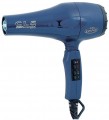 | 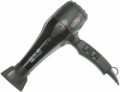 |
|---|---|---|
| CoifIn CL5 R Ionic | CoifIn CL5 R | |
| Outdated Product | from $31.40 up to $39.40 | |
| TOP sellers | ||
| Device | Hair Dryer | Hair Dryer |
| Motor type | AC motor | |
Specs | ||
| Power | 2300 W | 2300 W |
| Power/temperature regulator | separate | separate |
| Power modes | 2 | 2 |
| Temperature modes | 6 | 6 |
| Cold air |  | |
| Air flow speed | 42.2 м/с | |
| Functions | ionization | |
| Nozzles and accessories | 2 hubs | 2 hubs |
General | ||
| Hanging loop | | |
| Cable length | 2.8 m | |
| Weight | 510 g | 590 g |
| Color | ||
| Added to E-Catalog | july 2017 | february 2012 |


Compare CoifIn CL5 R Ionic and CL5 R
You may be interested in
CoifIn CL5 R Ionic often compared

CoifIn CL5 R often compared

Glossary
Motor type
The type of electric motor installed in the hair dryer.
This parameter is specified if the device does not use a traditional collector (brush) direct current (DC) electric motor, but more advanced motor. The options here might be:
— AC motor. Hair dryers equipped with alternating current (AC) motors use the same type of power found in regular electrical outlets. These AC motors offer several key advantages over their DC counterparts, including enhanced reliability, durability, and excellent resistance to high loads. They can operate at full power for extended periods without overheating, often lasting for at least 5 years even under continuous use. Additionally, AC motors provide more even heating and facilitate quick adjustments to temperature settings. As a result, hair dryers with AC motors are essential tools in professional settings such as hairdressers and beauty salons. However, the main drawback of AC motors is their relatively higher cost, making them less practical for occasional home use.
— Brushless motor. A brushless electric motor, which eliminates the need for a traditional commutator and brush contacts, employs a built-in electronic circuit to control the current in the motor windings. Despite being more expensive than conventional brushed motors, they offer several advantages. These motors allow for more precise and wider range adjustments of engine speed an...d airflow, resulting in higher efficiency and better overall performance for the same power consumption. Moreover, the absence of moving brush components enhances their durability, leading to significantly longer service lives compared to both AC and traditional brushed motors. However, due to their higher cost, brushless models are not widely used even in the professional industry.
This parameter is specified if the device does not use a traditional collector (brush) direct current (DC) electric motor, but more advanced motor. The options here might be:
— AC motor. Hair dryers equipped with alternating current (AC) motors use the same type of power found in regular electrical outlets. These AC motors offer several key advantages over their DC counterparts, including enhanced reliability, durability, and excellent resistance to high loads. They can operate at full power for extended periods without overheating, often lasting for at least 5 years even under continuous use. Additionally, AC motors provide more even heating and facilitate quick adjustments to temperature settings. As a result, hair dryers with AC motors are essential tools in professional settings such as hairdressers and beauty salons. However, the main drawback of AC motors is their relatively higher cost, making them less practical for occasional home use.
— Brushless motor. A brushless electric motor, which eliminates the need for a traditional commutator and brush contacts, employs a built-in electronic circuit to control the current in the motor windings. Despite being more expensive than conventional brushed motors, they offer several advantages. These motors allow for more precise and wider range adjustments of engine speed an...d airflow, resulting in higher efficiency and better overall performance for the same power consumption. Moreover, the absence of moving brush components enhances their durability, leading to significantly longer service lives compared to both AC and traditional brushed motors. However, due to their higher cost, brushless models are not widely used even in the professional industry.
Air flow speed
The airflow speed indicates how fast the air exits the hair dryer's nozzle and how strong the stream feels. The higher the airflow speed, the quicker the hair dryer blows moisture off the hair's surface and the more convenient it is to work with thick, long, or dense strands.
In simple household models, the values may be around 20 – 30 m/s, which is sufficient for regular drying of short or not very thick hair. More efficient hair dryers often provide about 30 – 40 m/s — this flow is better at handling thick and long hair. Powerful professional models can reach speeds of 40 – 50 m/s and above, which is convenient for quick drying, brushing, and salon styling.
In simple household models, the values may be around 20 – 30 m/s, which is sufficient for regular drying of short or not very thick hair. More efficient hair dryers often provide about 30 – 40 m/s — this flow is better at handling thick and long hair. Powerful professional models can reach speeds of 40 – 50 m/s and above, which is convenient for quick drying, brushing, and salon styling.
Functions
— Turbo mode. A mode designed to dry wet hair as quickly as possible. At the same time, the speed of air movement through the hair dryer increases significantly, and the temperature remains the same. This allows you to quickly dry your hair without exposing it to high temperatures. Working in turbo mode usually involves an increased load on the device, so before using such a hair dryer, you should separately clarify in the instructions for what maximum time you can turn on turbo mode.
— Auto-rotation of the nozzle. The function of automatic rotation of a brush or other round nozzle (see "Nozzles"). Thus, the user gets rid of the need to turn the entire device when styling hair, which may not be very convenient. Note that with long hair this function should be used very carefully, as there is a risk of entangling them instead of styling.
— Intelligent Temperature Control. A function for controlling the temperature that affects the hair to prevent damage. These sensors help ensure more accurate and safe device use by automatically adjusting the heat and maintaining an optimal temperature during styling.
— Temperature memory. Devices with this feature are capable of "remembering" the temperature setting used before being turned off and automatically activating it upon the next power-on. Temperature memory is par...ticularly convenient in cases where the device is consistently used at the same temperature but requires significant breaks during operation. In such situations, this capability significantly saves the time and effort of the user, as there is no need to adjust the heating settings every time after turning it on.
— Cold air. The ability of the hair dryer to work without the use of a heating element — when the air flow has the same temperature as the surrounding air. This mode will be useful for drying weakened hair, especially sensitive to overheating. In addition, it can be useful during styling — in particular, cold air “fixes” the finished hairstyle.
— Ionization. An ionizer is a device for saturating the air with negatively charged oxygen ions. Optimizes styling, giving hair new positive properties — for example, increased smoothness. Also, the hair is not electrified thanks to the ionizer.
— Steam humidifier. Some hair styling devices may be equipped with a container for liquid and a device that delivers hot steam to the hair. In this case, both ordinary water and a special styling liquid can be used. It is believed that the use of steam greatly facilitates the styling process, as the hair becomes more manageable. On the other hand, the high temperature of the steam can adversely affect the health of the hair, especially if the hair is weak or steam styling is used frequently.
— Alert timer. Devices with a built-in timer that makes audio signal after a set time. This function is relevant in stylers and curling irons, which allows the same time to curl curls. As a result, the hairstyle will have the same curls — there will be no imbalance in the curls when one turned out more and the other less.
— Automatic switch-off. A mechanism that ensures that the device turns off either after a specified period of time, or when a predetermined (or manufacturer-defined) temperature is reached. Prevents excessive heating of nozzles/plates, as well as overheating of the device in general.
— Key lock. The presence of a protective function of blocking the buttons allows you to avoid accidental pressing in the process of working with the device.
— Auto-rotation of the nozzle. The function of automatic rotation of a brush or other round nozzle (see "Nozzles"). Thus, the user gets rid of the need to turn the entire device when styling hair, which may not be very convenient. Note that with long hair this function should be used very carefully, as there is a risk of entangling them instead of styling.
— Intelligent Temperature Control. A function for controlling the temperature that affects the hair to prevent damage. These sensors help ensure more accurate and safe device use by automatically adjusting the heat and maintaining an optimal temperature during styling.
— Temperature memory. Devices with this feature are capable of "remembering" the temperature setting used before being turned off and automatically activating it upon the next power-on. Temperature memory is par...ticularly convenient in cases where the device is consistently used at the same temperature but requires significant breaks during operation. In such situations, this capability significantly saves the time and effort of the user, as there is no need to adjust the heating settings every time after turning it on.
— Cold air. The ability of the hair dryer to work without the use of a heating element — when the air flow has the same temperature as the surrounding air. This mode will be useful for drying weakened hair, especially sensitive to overheating. In addition, it can be useful during styling — in particular, cold air “fixes” the finished hairstyle.
— Ionization. An ionizer is a device for saturating the air with negatively charged oxygen ions. Optimizes styling, giving hair new positive properties — for example, increased smoothness. Also, the hair is not electrified thanks to the ionizer.
— Steam humidifier. Some hair styling devices may be equipped with a container for liquid and a device that delivers hot steam to the hair. In this case, both ordinary water and a special styling liquid can be used. It is believed that the use of steam greatly facilitates the styling process, as the hair becomes more manageable. On the other hand, the high temperature of the steam can adversely affect the health of the hair, especially if the hair is weak or steam styling is used frequently.
— Alert timer. Devices with a built-in timer that makes audio signal after a set time. This function is relevant in stylers and curling irons, which allows the same time to curl curls. As a result, the hairstyle will have the same curls — there will be no imbalance in the curls when one turned out more and the other less.
— Automatic switch-off. A mechanism that ensures that the device turns off either after a specified period of time, or when a predetermined (or manufacturer-defined) temperature is reached. Prevents excessive heating of nozzles/plates, as well as overheating of the device in general.
— Key lock. The presence of a protective function of blocking the buttons allows you to avoid accidental pressing in the process of working with the device.
Cable length
The length of the cord for connecting to the network, provided in the design of the tool.
The long cord provides greater freedom of movement, which is particularly beneficial in hairdressing salons and beauty establishments where professionals need to move around their clients. However, for regular household use, excessive cord length can lead to inconvenience, as it may get underfoot or cause other issues. A cord length of 1 – 1.5 meters is generally sufficient for home use. On the other hand, for professional tasks, tools with a cord length of 1.8 meters or more are commonly available.
The long cord provides greater freedom of movement, which is particularly beneficial in hairdressing salons and beauty establishments where professionals need to move around their clients. However, for regular household use, excessive cord length can lead to inconvenience, as it may get underfoot or cause other issues. A cord length of 1 – 1.5 meters is generally sufficient for home use. On the other hand, for professional tasks, tools with a cord length of 1.8 meters or more are commonly available.