
Comparison Philips Dynamic HP8664 vs Rowenta CF9220
Add to comparison | 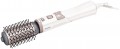 | 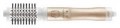 |
|---|---|---|
| Philips Dynamic HP8664 | Rowenta CF9220 | |
from $56.67 up to $73.88 | from $64.52 up to $80.00 | |
| User reviews | ||
| TOP sellers | ||
Automatic rotation of nozzles with adjustable speed. Ionization. care mode. | ||
| Device | brush hair dryer | brush hair dryer |
Specs | ||
| Power | 1000 W | 1000 W |
| Power/temperature regulator | joint | |
| Power modes | 3 | 2 |
| Temperature modes | 3 | 2 |
| Cold air |  |  |
| Brush diameter | 50, 30 mm | 30, 50 mm |
| Coating of the heating element | tourmaline | ceramics |
| Functions | ionization auto-rotation of the nozzle | ionization auto-rotation of the nozzle |
| Nozzles and accessories | 2 brushes | 2 brushes |
General | ||
| Hanging loop | | |
| Cord twist 360° | | |
| Cable length | 1.8 m | 2 m |
| Weight | 480 g | 500 g |
| Color | ||
| Added to E-Catalog | september 2014 | february 2009 |


Compare Philips Dynamic HP8664 and Rowenta CF9220
You may be interested in
My comparisons
Philips Dynamic HP8664 often compared


Rowenta CF9220 often compared

Glossary
Power/temperature regulator
— Combined. In models with combined power and airflow temperature adjustment, the settings change with a single button press. Hair dryers usually have several fixed intensity and air temperature settings.
— Separate. Separate controls for heating power and temperature mode offer more flexibility when using hair drying and styling appliances. With separate adjustment, the strength and temperature settings of the airflow can be changed individually, allowing you to achieve optimal power and airflow temperature to prevent hair overdrying.
— Separate. Separate controls for heating power and temperature mode offer more flexibility when using hair drying and styling appliances. With separate adjustment, the strength and temperature settings of the airflow can be changed individually, allowing you to achieve optimal power and airflow temperature to prevent hair overdrying.
Power modes
The number of power modes provided in the design of the tool.
This parameter is relevant primarily for hair dryers of various types (see "Device") — in models of another type, the main point is the temperature modes, see below for them. And in hair dryers, the number of power modes is, most often, the number of speeds at which the “blower” can operate.
The abundance of speeds allows you to choose the best option depending on the current task (quick dry, delicately style), hair type, etc. At the same time, the abundance of adjustments complicates the design and affects the price. Therefore, for domestic use, 2 – 3 modes are usually quite enough, and sometimes one is enough.
Note that in single-speed hair dryers, the number of modes may not be indicated at all.
This parameter is relevant primarily for hair dryers of various types (see "Device") — in models of another type, the main point is the temperature modes, see below for them. And in hair dryers, the number of power modes is, most often, the number of speeds at which the “blower” can operate.
The abundance of speeds allows you to choose the best option depending on the current task (quick dry, delicately style), hair type, etc. At the same time, the abundance of adjustments complicates the design and affects the price. Therefore, for domestic use, 2 – 3 modes are usually quite enough, and sometimes one is enough.
Note that in single-speed hair dryers, the number of modes may not be indicated at all.
Temperature modes
The number of heating modes provided in the tool.
The presence of several temperature modes makes it possible to choose the best option for a particular situation. For example, for quick curling of "naughty" hair, when speed is more important than delicacy, you can set a strong heat, and if there are no problems over time, you can use a lower temperature. But the specific amount directly depends on the type of device (see "Device").
So, in hair dryers of one kind or another, there are usually few temperature modes — up to 3 in household models, and up to 8 – 9 (occasionally more) in professional ones. But curling irons and stylers, even relatively simple ones, can have several dozen levels of adjustment — their operating range is quite wide (for example, 130 – 200 °C), and the temperature in this range is often adjusted in steps of several degrees.
Also note that in hair dryers , temperature control and power control are carried out separately, and these parameters can have a different number of settings (for example, 2 power levels and 6 temperature levels). In curling irons, stylers, etc. the temperature only changes at the same time as the power, so the number of power modes may not be indicated at all — it corresponds to the number of temperature settings by definition.
The presence of several temperature modes makes it possible to choose the best option for a particular situation. For example, for quick curling of "naughty" hair, when speed is more important than delicacy, you can set a strong heat, and if there are no problems over time, you can use a lower temperature. But the specific amount directly depends on the type of device (see "Device").
So, in hair dryers of one kind or another, there are usually few temperature modes — up to 3 in household models, and up to 8 – 9 (occasionally more) in professional ones. But curling irons and stylers, even relatively simple ones, can have several dozen levels of adjustment — their operating range is quite wide (for example, 130 – 200 °C), and the temperature in this range is often adjusted in steps of several degrees.
Also note that in hair dryers , temperature control and power control are carried out separately, and these parameters can have a different number of settings (for example, 2 power levels and 6 temperature levels). In curling irons, stylers, etc. the temperature only changes at the same time as the power, so the number of power modes may not be indicated at all — it corresponds to the number of temperature settings by definition.
Cold air
The ability to operate a hair dryer without using a heating element — when the airflow is at the same temperature as the surrounding air. Cold mode will be useful for drying weakened hair that is particularly sensitive to overheating. In addition, it can be useful during styling — in particular, cold air is used to "set" the finished hairstyle.
Brush diameter
The brush diameter shows the size of curls and root volume you'll achieve: a thin diameter (approximately 18–25 mm) is convenient for short haircuts, bangs, and small curls, while a larger one (30–50 mm and above) is better suited for medium to long lengths, soft waves, and "Hollywood" volume. The larger the brush diameter, the smoother and more elongated the strand becomes, and a small attachment allows for more detailed work on the contour and root zone — for example, when styling a bob, bob cut, or layered cut.
Coating of the heating element
Type of outer coating of the heating element.
— Chrome plated. The most basic and widely used coating option is chrome. It is affordable and heats up quickly. However, using chrome-coated heaters can pose a higher risk of hair damage, so caution is needed when using them. Due to this risk, chrome-coated nozzles are not ideal for frequent or continuous use.
— Aluminium. Such heaters are considered more advanced than the chrome ones described above, due to a longer service life and better heat distribution. However, it is not without the characteristic drawbacks of any metal coating, primarily the negative impact on the condition of the hair.
— Titan. Another option for a metal heater. In terms of basic properties, it is almost completely similar to aluminium (see above), in most cases it differs only in appearance.
— Ceramics. The main advantage of ceramics is the better distribution of heat than in metal heaters. Due to this, such a coating is considered much more “gentle”; however, its cost is noticeably higher, and heating is slower.
— Tourmaline. In most cases, when referring to a ceramic heater, it is typically combined with a tourmaline coating. This coating serves two primary functions: ionization, which promotes smooth and even styling, and friction reduction, allowing the cur...ling iron to glide through the hair effortlessly.
— Titanium ceramics. A specific type of ceramic coating used by some manufacturers. The design, usually, implements various additional technologies designed to improve the quality of work; however, whether such devices outperform "ceramic" analogues depends on the model in each specific case.
— Titanium-tourmaline. An analogue of the tourmaline coating described above, in which titanium is used as the base of the heater instead of ceramic. There is practically no difference in the main features.
— Steel. The most basic and common coating option is "ordinary metal plating," typically referring to steel. The main advantage of this surface is its low cost. However, the heating can be uneven and harsh, which demands careful handling of the tool and makes it less suitable for frequent use.
— Teflon. Teflon stands out for its low friction, making plates glide effortlessly through the hair, even more so than ceramic ones. However, in terms of heating uniformity, it slightly lags behind ceramics.
— Copper silicon. Typically, the reference is made to silicon-coated copper plates. Copper offers excellent thermal conductivity, ensuring uniform heating, while silicon provides practical properties similar to ceramics, such as a gentle effect and suitability for frequent use. However, this option is relatively specific and does not offer significant advantages over more traditional materials, which is why it is relatively rare.
— Manganese-copper. The manganese-copper coating on the heating plates offers a very gentle effect on the hair. These flexible plates allow the styler (straightener or curling iron) to adapt to the shape of the hair strand, reducing mechanical stress on the hair and minimizing damage. As a result, the hair becomes more manageable and obedient.
— Chrome plated. The most basic and widely used coating option is chrome. It is affordable and heats up quickly. However, using chrome-coated heaters can pose a higher risk of hair damage, so caution is needed when using them. Due to this risk, chrome-coated nozzles are not ideal for frequent or continuous use.
— Aluminium. Such heaters are considered more advanced than the chrome ones described above, due to a longer service life and better heat distribution. However, it is not without the characteristic drawbacks of any metal coating, primarily the negative impact on the condition of the hair.
— Titan. Another option for a metal heater. In terms of basic properties, it is almost completely similar to aluminium (see above), in most cases it differs only in appearance.
— Ceramics. The main advantage of ceramics is the better distribution of heat than in metal heaters. Due to this, such a coating is considered much more “gentle”; however, its cost is noticeably higher, and heating is slower.
— Tourmaline. In most cases, when referring to a ceramic heater, it is typically combined with a tourmaline coating. This coating serves two primary functions: ionization, which promotes smooth and even styling, and friction reduction, allowing the cur...ling iron to glide through the hair effortlessly.
— Titanium ceramics. A specific type of ceramic coating used by some manufacturers. The design, usually, implements various additional technologies designed to improve the quality of work; however, whether such devices outperform "ceramic" analogues depends on the model in each specific case.
— Titanium-tourmaline. An analogue of the tourmaline coating described above, in which titanium is used as the base of the heater instead of ceramic. There is practically no difference in the main features.
— Steel. The most basic and common coating option is "ordinary metal plating," typically referring to steel. The main advantage of this surface is its low cost. However, the heating can be uneven and harsh, which demands careful handling of the tool and makes it less suitable for frequent use.
— Teflon. Teflon stands out for its low friction, making plates glide effortlessly through the hair, even more so than ceramic ones. However, in terms of heating uniformity, it slightly lags behind ceramics.
— Copper silicon. Typically, the reference is made to silicon-coated copper plates. Copper offers excellent thermal conductivity, ensuring uniform heating, while silicon provides practical properties similar to ceramics, such as a gentle effect and suitability for frequent use. However, this option is relatively specific and does not offer significant advantages over more traditional materials, which is why it is relatively rare.
— Manganese-copper. The manganese-copper coating on the heating plates offers a very gentle effect on the hair. These flexible plates allow the styler (straightener or curling iron) to adapt to the shape of the hair strand, reducing mechanical stress on the hair and minimizing damage. As a result, the hair becomes more manageable and obedient.
Cable length
The length of the cord for connecting to the network, provided in the design of the tool.
The long cord provides greater freedom of movement, which is particularly beneficial in hairdressing salons and beauty establishments where professionals need to move around their clients. However, for regular household use, excessive cord length can lead to inconvenience, as it may get underfoot or cause other issues. A cord length of 1 – 1.5 meters is generally sufficient for home use. On the other hand, for professional tasks, tools with a cord length of 1.8 meters or more are commonly available.
The long cord provides greater freedom of movement, which is particularly beneficial in hairdressing salons and beauty establishments where professionals need to move around their clients. However, for regular household use, excessive cord length can lead to inconvenience, as it may get underfoot or cause other issues. A cord length of 1 – 1.5 meters is generally sufficient for home use. On the other hand, for professional tasks, tools with a cord length of 1.8 meters or more are commonly available.