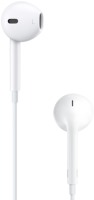
Audio-Technica ATH-P1
 | Outdated Product Design: overhead, open; Connection type: wired; mini-Jack (3.5 mm); Jack (6.35 mm); Cable supply: double-sided; Cable length (m): 1; Impedance (Ohm): 24; Frequency range (Hz): 30 – 20000; Sensitivity (dB): 93; Weight (g): 55; E-Catalog uses affiliate links compensated by our partners. |


Audio-Technica ATH-P1
Type:on-ear
Connection:3.5 mm, 6.35 mm
Frequencies:30 – 20000 Hz
Sensitivity:93 dB
All specifications
Specifications ATH-P1
|
| ||||||||||||||||||||||||||||||||||||||

The information in the model description is for reference purposes.
Always clarify the specifications and configuration of the product with the online store manager before purchasing.
Catalog Audio-Technica 2026 - new arrivals, bestsellers, and the most relevant models Audio-Technica.
Always clarify the specifications and configuration of the product with the online store manager before purchasing.
Catalog Audio-Technica 2026 - new arrivals, bestsellers, and the most relevant models Audio-Technica.

Everything You Need to Know About Headphones: A Complete Technical GuideThe choice begins with understanding the design and features.

What characteristics should good headphones have?Guide to key features of headphones
Additional features headphones Audio-Technica ATH-P1:
ATH-P1 are over-ear headphones that can be positioned primarily as a "partner" of portable players. At the same time, a 6.3 mm adapter makes it possible to use them with stationary home appliances. The soft fit, adjustable headband and lightweight design make these ergonomic headphones comfortable to wear for extended periods of time.
- Membrane diameter — 28 mm
- Maximum input power — 50 mW
ATH-P1 are over-ear headphones that can be positioned primarily as a "partner" of portable players. At the same time, a 6.3 mm adapter makes it possible to use them with stationary home appliances. The soft fit, adjustable headband and lightweight design make these ergonomic headphones comfortable to wear for extended periods of time.
We recommendCompare using chart →

in-ear, wireless, true wireless, Bluetooth v5.3, AAC, LDAC, active noise cancellation, voice assistant, waterproof, 20 – 40000 Hz, battery: up to 8 h, with case + only LDAC
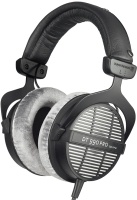
студийные, overhead, open, wired, 3.5 mm, 6.35 mm, 3 m, no microphone, 5 – 35000 Hz, 250 Ohm, 100 mW

gaming, PlayStation 5, Switch, overhead, closed, wireless, Bluetooth v5.3, AAC, radio channel, 3D sound, 20 – 20000 Hz, 64 Ohm, battery: up to 200 h
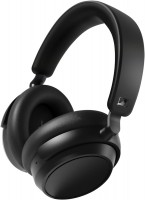
overhead, closed, combined, detachable cable, 2.5 mm (micro-Jack), 1.2 m, Bluetooth v5.2, AAC, aptX, active noise cancellation, voice assistant, 10 – 22000 Hz, 560 Ohm, L-plug, battery: 800 mAh, up to 50 h, with case + active mode / 95 Ohm - passive mode

overhead, closed, combined, detachable cable, USB-C, 1.2 m, Bluetooth v6.0, active noise cancellation, 3D sound, voice assistant, foldable, 10 – 40000 Hz, 32 Ohm, battery: 870 mAh, up to 50 h
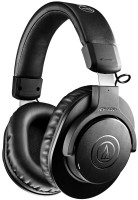
overhead, closed, combined, detachable cable, 3.5 mm, 1.2 m, Bluetooth v5.0, AAC, game mode, 5 – 32000 Hz, 36 Ohm, L-plug, battery: up to 60 h
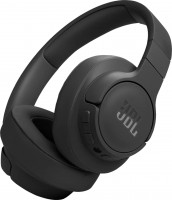
overhead, closed, combined, detachable cable, 3.5 mm, Bluetooth v5.3, active noise cancellation, foldable, 20 – 20000 Hz, 32 Ohm, 45 degree angle plug, battery: 690 mAh, up to 44 h
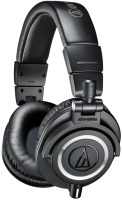
студийные, overhead, closed, wired, detachable cable, 3.5 mm, 6.35 mm, 3 m, no microphone, foldable, 15 – 28000 Hz, 38 Ohm, 1600 mW, battery: with case + maximum
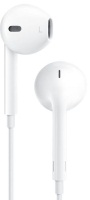
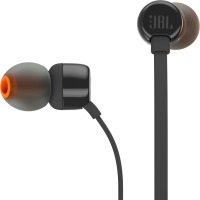
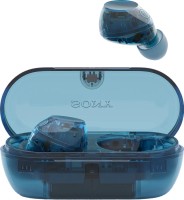
in-ear, wireless, true wireless, Bluetooth v5.3, AAC, active noise cancellation, 3D sound, voice assistant, waterproof, 20 – 20000 Hz, battery: up to 8.5 h